Req 2a — Growing Vegetables
This requirement has two hands-on growing projects:
- Grow six vegetables through harvest
- Use both seeds and seedlings so you experience each starting method
You can read about gardening forever, but Requirement 2a makes you prove you can actually grow food. That means choosing crops wisely, matching them to your season and space, and staying consistent long enough to reach harvest. This is where gardening turns from an idea into a responsibility.
Seeds vs. Seedlings
A seed is the plant’s starting package. It contains a tiny embryo and stored food. Starting from seed teaches you germination, patience, and timing. It usually costs less, but it takes more time and close attention early on.
A seedling is a young plant that has already sprouted. Starting with seedlings gives you a head start and lets you grow crops that need a longer season. It also teaches transplanting, root care, and how to help a plant adjust to a new environment.
For this requirement, you need both experiences because gardeners use both methods in real life.
Choosing Six Vegetables That Make Sense
Do not pick crops only because they sound interesting. Pick vegetables that fit your climate, available light, and the amount of time you have. A smart list often includes fast growers plus one or two longer-term plants.
Good seed-started choices often include radishes, lettuce, bush beans, peas, carrots, or spinach. Common seedling choices include tomatoes, peppers, cucumbers, squash, or broccoli, depending on your season.
You are not required to grow the “hardest” vegetables. You are required to grow six successfully. A Scout who grows six practical crops well is showing more gardening skill than one who picks fancy plants and loses half of them.
How to Pick Your Six Vegetables
Build a realistic plan before you plant
- Include cool-season or warm-season crops that match your current weather.
- Make sure your site gets enough sun. Most vegetables need 6–8 hours of direct sun.
- Choose crops with different growth speeds so you can observe change over time.
- Ask your counselor if container growing is appropriate for your setup.
- Avoid overcrowding. Six vegetables does not mean six huge beds.
What Vegetables Need to Reach Harvest
Sunlight
Most food crops need strong light. Leafy greens can tolerate a bit more shade than tomatoes or peppers, but nearly all vegetables do best in full sun. If your garden gets only partial sun, choose crops that can handle it and be realistic about yield.
Soil
Healthy soil should drain well but still hold moisture. It should feel crumbly rather than packed hard like clay or loose like dry dust. Compost improves many soils by adding organic matter and helping roots grow through the ground more easily.
Water
Vegetables need consistent moisture. Too little water slows growth and causes bitterness, wilting, or blossom drop. Too much water can rot roots and invite disease. Water deeply enough that moisture reaches the root zone instead of just wetting the surface.
Space
Crowded plants compete for light, air, nutrients, and water. Crowding also traps moisture and makes disease spread more easily. Read plant tags or seed packets and believe them. Mature spacing matters.
Time and Observation
Vegetable gardening is not a one-day task. You need to check for weeds, moisture, pest damage, yellowing leaves, and ripening produce. Harvesting at the right time matters too. A zucchini picked at the right time tastes much better than one left to become a giant club.
Starting Three Vegetables From Seed
Plant seeds at the proper depth. A common rule is to plant a seed about two to three times as deep as the seed is wide, but always check the packet. Tiny seeds should be shallow. Large beans and peas can go deeper.
Keep the seedbed evenly moist during germination. That does not mean soggy. Seeds need water and oxygen. If the soil crusts over or dries out repeatedly, young sprouts may fail.
Once seedlings emerge, thin them if needed. Thinning feels harsh at first, but crowded seedlings will never reach full size. Giving the strongest plants room is part of successful gardening.
Transplanting Three Seedlings
Seedlings need a gentle transition. If they came from a greenhouse or indoor shelf, harden them off first by exposing them gradually to outdoor sun, wind, and temperature changes over several days.
When transplanting, water the plant before moving it, handle it carefully, and disturb the roots as little as possible. Plant it at the correct depth and water it in well so the soil settles around the roots. Watch for transplant shock in the first few days — drooping, slowed growth, or sun stress.
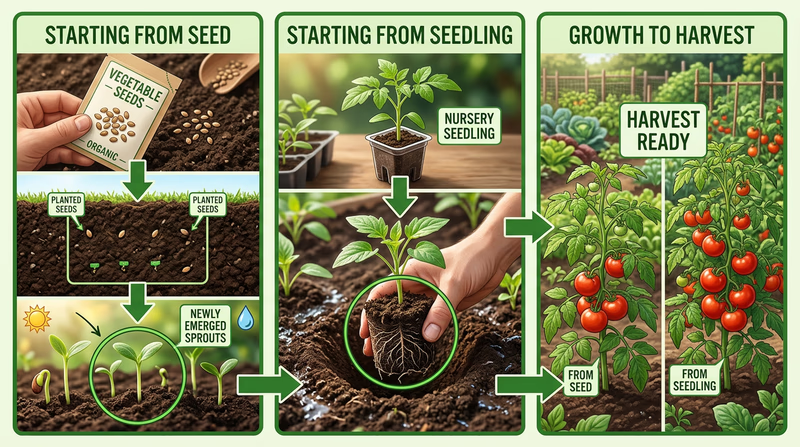
Reaching Harvest
Harvest is more than pulling food off a plant. It is the point where flavor, texture, and maturity come together. Leaf crops like lettuce may be harvested as baby leaves or full heads. Root crops need enough time to size up underground. Fruiting crops such as tomatoes and cucumbers need to be picked regularly once they begin producing.
This is also where observation matters. Look for color change, size, firmness, and the days-to-harvest range listed on the seed packet or tag. Talk with your counselor about what worked and what did not. Maybe one crop loved your conditions while another struggled. That is useful information, not failure.
What to Observe and Discuss
Your counselor does not just want proof that a vegetable existed. They want to hear what you noticed through the process. Good observations include:
- Which vegetables sprouted fastest
- Which plants needed the most water
- How seedlings responded after transplanting
- Which plants attracted insects
- Whether weather helped or slowed growth
- How long it took to reach harvest
- What you would change next time
Those observations prepare you well for Req 4, where you will test germination scientifically, and for Req 7, where you will identify pests and solutions.
University of Minnesota Extension — Growing Vegetables Reliable growing guides for common vegetables, including planting depth, spacing, and harvest timing.Growing vegetables teaches you how food crops respond to your care. Next, you will apply many of the same ideas to flowers, where your goal is not harvest but strong growth and blooming.