Req 6 — Pollinators & Honeybees
A garden can be full of healthy plants and still fail if pollination does not happen. Flowers are not just decoration. For many crops, they are the stage where fruits, seeds, and future harvests begin. Honeybees are one of the best-known pollinators, which is why gardeners, farmers, and beekeepers care so much about them.
What Pollination Is
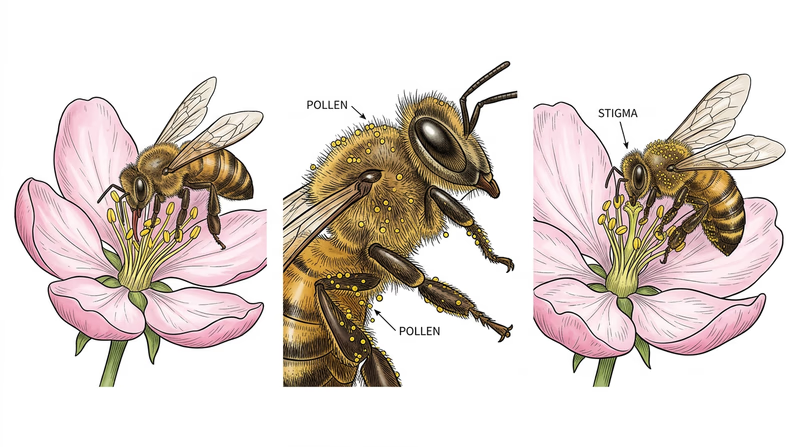
Pollination is the movement of pollen from the male part of a flower to the female part so fertilization can happen. Once that happens, the plant can produce seeds and often fruit. Some plants are pollinated by wind, but many food crops depend on animals — especially insects.
Honeybees are used because they visit many flowers, move efficiently from bloom to bloom, and can be managed in hives that beekeepers transport where they are needed. When a bee visits a flower for nectar or pollen, grains of pollen stick to its fuzzy body. As it visits the next flower, some of that pollen is transferred.
Why Honeybees Are So Useful in Food Crops
Honeybees are not the only pollinators. Native bees, butterflies, moths, flies, beetles, birds, and even bats pollinate different plants. But honeybees are especially important in agriculture because they can be managed on a large scale.
Farmers may bring in hives during bloom time for crops such as almonds, apples, berries, melons, squash, cucumbers, and other fruiting plants. Without enough pollinator visits, a crop may produce fewer fruits, misshapen fruits, or poor seed set.
What Bees Gain From the Relationship
Pollination is not a one-way favor. Bees collect nectar for energy and pollen as a protein source for the colony. Flowers benefit from pollination, and bees benefit from food. That is one reason diverse gardens with staggered bloom times are so valuable. They feed pollinators across more of the season.
Problems Facing Bee Populations Today
The requirement asks you to discuss current problems, so you should know the big ones clearly.
Habitat Loss
Bees need more than flowers. They also need nesting sites, safe overwintering areas, and a steady food supply across seasons. As meadows, hedgerows, and diverse plantings disappear, bees lose those resources.
Pesticide Exposure
Some pesticides can kill bees directly. Others may weaken navigation, foraging, or colony health even when the effect is not immediate. The danger depends on the product, timing, dose, and how it is used.
Disease and Parasites
Honeybee colonies can be harmed by mites, diseases, and other stressors that weaken the hive. A famous example is the Varroa mite, a parasite that feeds on bees and spreads disease within colonies.
Poor Nutrition
A landscape full of only one blooming crop for a short season can leave bees without diverse nutrition before and after that bloom. Bees do better when they can gather from many plant species over time.
Climate and Weather Stress
Unusual weather patterns can shift bloom times, reduce forage, or create mismatches between when pollinators are active and when flowers are available.
What Happens if Pollinators Disappear?
Humanity would still have food, but the food system would change dramatically for the worse. Many crops that provide vitamins, variety, and flavor would drop in production or become more expensive. Fruits, nuts, many vegetables, and seed crops would be hit especially hard.
That would affect nutrition, farm income, biodiversity, and ecosystems beyond agriculture. Pollinators do not just serve people. They help wild plants reproduce too, which supports food webs for birds, insects, and other animals.
If There Were No Pollinators
The impact would spread far beyond honey
- Fewer fruits and vegetables would be produced.
- Some foods would become harder to find or much more expensive.
- Wild plant reproduction would drop in many habitats.
- Animals that depend on seeds, fruits, and those plants would be affected.
- Diets would become less diverse and often less nutritious.
What Gardeners Can Do to Help
Gardeners are not helpless here. Even a small yard or school garden can support pollinators.
- Plant a variety of flowers that bloom at different times.
- Include native plants when possible.
- Avoid spraying pesticides during bloom, especially when bees are active.
- Leave some nesting habitat for native pollinators.
- Provide shallow water sources with safe landing spots.
This also connects strongly to Req 8d if you choose a water garden and to Req 8e if you explore the honey super option.
USDA — Pollinator Research and Action An overview of why pollinators matter, the challenges they face, and what people can do to help.You have now explored one of the most important partners in any garden. Next, look at the other side of the gardening challenge: the insects and diseases that damage plants, and how to respond wisely.