Req 7 — Garden Pests & Organic Solutions
Nothing tests a gardener’s patience like walking outside and finding holes in leaves, sticky stems, yellowing spots, or a plant that seemed healthy yesterday but looks terrible today. Requirement 7 is not asking you to panic. It is asking you to identify problems accurately and think in solutions.
Start With Identification, Not Spraying
One of the biggest gardening mistakes is treating every problem the same way. But pests are not all alike. Aphids do not behave like tomato hornworms. Powdery mildew is not the same as blight. If you misidentify the problem, you may waste time, harm helpful insects, or make the situation worse.
That is why the first job is observation. Look closely at the leaves, stems, roots, soil surface, and overall pattern of damage. Is it chewing, sucking, spotting, wilting, mold, or rot? Is it on one plant or many?
Five Good Pest Examples to Know
You may choose different pests based on your area, but here are five strong examples that help you understand the requirement.
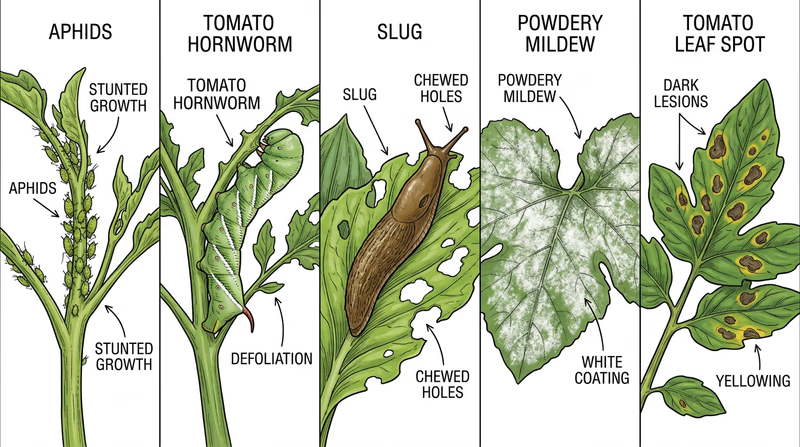
1. Aphids
Aphids are tiny soft-bodied insects that gather on stems and leaf undersides. They suck plant juices and can leave behind sticky honeydew.
- Organic solution: Blast them off with a firm spray of water or remove heavily infested plant tips.
- Second solution: Encourage natural predators such as lady beetles, lacewings, and syrphid fly larvae; insecticidal soap may also be used carefully.
2. Tomato Hornworms
These large green caterpillars can strip tomato plants fast because they blend in so well.
- Organic solution: Hand-pick them off the plant.
- Second solution: Encourage beneficial wasps and inspect plants daily so you catch damage early.
3. Slugs or Snails
These pests chew irregular holes, especially on seedlings and leafy greens, and are often most active at night or in damp conditions.
- Organic solution: Hand-pick at night or use barriers and traps.
- Second solution: Reduce hiding places by cleaning up dense debris and watering earlier in the day so surfaces dry sooner.
4. Powdery Mildew
This plant disease appears as a pale, powdery coating on leaves. It often thrives when air circulation is poor.
- Organic solution: Remove badly affected leaves and improve spacing and airflow.
- Second solution: Choose resistant varieties or adjust watering and pruning practices to reduce conditions that favor disease.
5. Blight or Leaf Spot Disease
Some diseased plants show dark lesions, yellowing, spreading spots, or dying foliage. Tomatoes are famous for this kind of problem.
- Organic solution: Remove infected plant material and avoid overhead watering that splashes spores.
- Second solution: Rotate crops and do not plant the same family in the same place every year.
The Logic Behind Organic Solutions
An organic method is usually one that relies on cultural control, physical removal, biological help, or approved organic products rather than conventional synthetic pesticides. Organic does not mean effortless, and it does not always mean weak. It often means you are working with garden systems instead of trying to overpower them instantly.
Examples of organic control include:
- Hand-picking insects
- Row covers or barriers
- Pruning infected leaves
- Crop rotation
- Better spacing and airflow
- Mulching to reduce soil splash
- Encouraging beneficial insects
That systems-based thinking fits well with Req 6, where you learned not all insects are enemies. Some of the insects in your garden are helpers.
A Smarter Pest Response
Use this order before reaching for any product
- Identify the pest or disease as accurately as you can.
- Ask how serious the damage really is.
- Try a cultural or physical fix first.
- Protect beneficial insects and pollinators.
- Use a product only if needed and only after reading the label carefully.
Why Garden Problems Happen
Pests and diseases often show up where plants are already stressed. Overcrowding, poor airflow, inconsistent watering, weak soil, wrong-season planting, and damaged roots all make plants easier targets. That means pest control is often partly about better gardening, not just killing the pest.
A healthy plant in the right place can sometimes tolerate minor damage just fine. A stressed plant may collapse under the same pressure. Gardeners need to judge the difference.
Recommending Two Solutions Clearly
When you discuss this requirement, do not just name a pest and say, “Use spray.” Explain why each solution makes sense.
For example: “I identified aphids by their clusters on tender stems and sticky honeydew. One organic solution is a strong spray of water to knock them off. Another is encouraging beneficial insects or using insecticidal soap if the infestation is severe.”
That shows your counselor you understand both identification and response.
University of California IPM — Home and Landscape Pests A strong identification and management resource for common garden insects, diseases, and integrated pest management strategies.You have now learned to think like a detective when problems appear in the garden. Next, you will choose one long-term project and apply those observation skills week after week.