Req 8a — Compost Bin Project
Compost is one of gardening’s best magic tricks. You take scraps, dead leaves, and yard waste that look useless, and over time they become dark, crumbly material that improves soil. But the process is not really magic. It is biology. Tiny organisms are doing the work, and your job is to create the conditions they need.
What a Compost Bin Does
A compost bin helps control the breakdown of organic material. Browns such as dry leaves, shredded paper, and straw provide carbon. Greens such as fruit scraps, coffee grounds, and fresh grass clippings provide nitrogen. Microorganisms use both, along with water and oxygen, to decompose the pile.
If the balance is right, the pile warms up and breaks down faster. If it is too dry, too wet, or badly unbalanced, decomposition slows and odors may develop.
Building a Bin That Works
A compost bin does not have to be fancy. It can be made from wire mesh, pallets, wood, or a purchased container. What matters is that it can hold material, allow some airflow, and be placed where you can manage it.
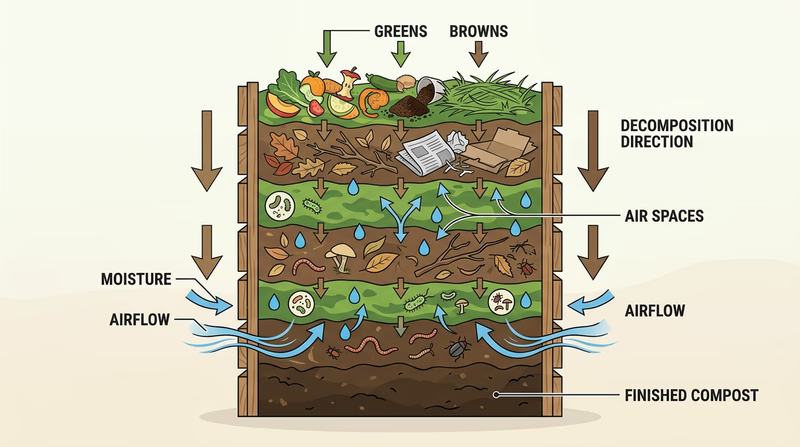
Choose a site with decent drainage and convenient access. If the bin is too far away or hard to reach, people stop using it well.
Keys to a Good Compost Setup
Make the system easy to maintain for 90 days
- Put the bin where it is easy to reach with scraps and yard material.
- Include airflow so the pile does not stay soggy and stagnant.
- Keep a mix of browns and greens available.
- Turn or stir the pile often enough to add oxygen.
- Maintain moisture like a wrung-out sponge, not a swamp.
What to Add — and What to Avoid
Good compost ingredients include leaves, grass clippings, fruit and vegetable scraps, coffee grounds, tea leaves, and small plant trimmings. Avoid meat, dairy, greasy foods, and anything likely to attract pests or smell terrible. Also avoid adding diseased plant material unless you know your pile gets hot enough to kill pathogens.
What to Observe Over 90 Days
Your weekly observations might include pile temperature, moisture, smell, size, visible decomposition, and what materials are breaking down fastest. You should also note what changes you make — such as adding more dry leaves, turning the pile, or watering it.
A healthy compost system usually shrinks as materials break down. The texture changes too. Sharp edges soften. Bright green waste darkens. The whole pile starts to look more uniform.
Problems You May Run Into
A compost project is great because it gives you real problems to solve. A pile may stay cold, go slimy, dry out, or attract flies. Those are not project failures. They are chances to observe and adjust.
Why This Option Matters to Gardeners
Composting teaches one of the most important ideas in gardening: waste is part of the cycle. Leaves fall, scraps break down, nutrients return to the soil, and new plants grow from that improved ground. If you complete this project well, you will understand soil building much more deeply than someone who only buys bags from a store.
EPA — Composting Basics A practical guide to starting and maintaining a compost pile or bin at home.You have seen how composting builds healthier soil. Next, compare that with a related but more specialized system: composting with worms.