Req 8c — Hydroponic Garden Project
Hydroponics surprises many people the first time they see it. Plants are growing strongly, but there is no garden soil anywhere. That works because soil is not food for the plant. Soil is mostly a support system and nutrient-holding environment. In hydroponics, water and dissolved nutrients replace many of soil’s jobs.
How Hydroponics Works
A hydroponic system gives roots access to water, oxygen, and dissolved nutrients without relying on ordinary soil. Some systems suspend roots directly in nutrient solution. Others use media such as clay pellets, rockwool, or perlite to hold the plant upright.
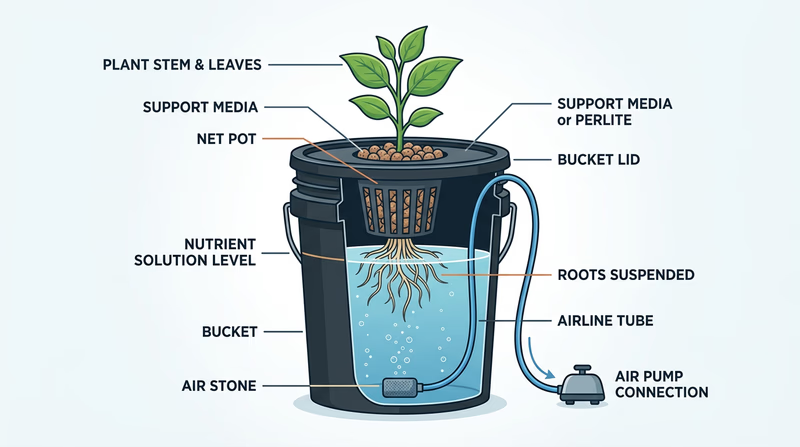
The three big ideas are:
- Roots still need oxygen
- Plants still need nutrients
- Light still drives growth
Because everything is more controlled, hydroponics can produce fast growth — but it also means problems can show up quickly if the system slips out of balance.
Choosing Plants for the System
Beginners often do best with leafy greens, basil, or other herbs because they grow quickly and are forgiving. Fruiting plants such as tomatoes or peppers are possible, but they usually need more support, light, and nutrient management.
If you choose ornamental plants instead, make sure they are suitable for the system you build and that your goal is flowering or healthy 90-day maintenance.
Hydroponic Success Factors
These matter more than fancy equipment
- Strong enough light for the plants you choose
- A stable nutrient solution
- Clean water and containers
- Enough oxygen around the roots
- A system size that matches your available space and time
Building a Simple System
Your system might be a bucket grower, a small deep-water culture setup, or another straightforward design approved by your counselor. Keep the design simple enough that you can maintain it well for the full project.
Pay attention to leaks, algae growth, reservoir cleanliness, and root health. In hydroponics, maintenance is not just a side task. It is part of the gardening.
What to Observe Over Time
Hydroponics gives you lots to watch. Compare root growth to leaf growth. Notice water use, nutrient changes, and how plants respond to light intensity. Look for yellowing, stunted growth, root discoloration, or rapid improvement when conditions are corrected.
This option is especially good for Scouts who enjoy troubleshooting. If something goes wrong, the system often gives visible clues quickly.
Common Hydroponic Problems
Because hydroponics is controlled, it can also be less forgiving. If the nutrient balance is off, leaves may yellow. If roots do not get enough oxygen, they may rot. If light is weak, plants may stretch and become pale.
Why This Option Matters
Hydroponics teaches that gardening is really about meeting plant needs, not about dirt alone. It also introduces a more technical side of plant science that is used in commercial greenhouses, research, and food production systems.
This option connects well to Req 4 because both require careful observation and evidence-based thinking. It also helps you appreciate how flexible gardening can be when space or soil quality is limited.
University of Florida IFAS — Hydroponic Gardening A clear introduction to hydroponic gardening systems, plant choices, and practical home-growing considerations.You have now explored a soil-free growing system. Next, compare that technical approach with a project that blends plants, water, and design in a more decorative setting.