Req 8d — Water Garden Project
A water garden feels different from other gardening projects the moment you see it. The surface reflects the sky, moisture changes the air around it, and the plants are adapted to an environment where too much water is not a problem but the whole point. This option is part gardening, part design, and part habitat building.
What Makes a Water Garden Work
A water garden still needs the gardening basics: light, plant choice, maintenance, and observation. But now you also need to think about water depth, container stability, algae, and how plants behave in or around standing water.
Container water gardens are often the easiest starting point because they are small and manageable. A shallow decorative pond can work too, but it needs safe planning and careful upkeep.
Choosing Plants for a Water Garden
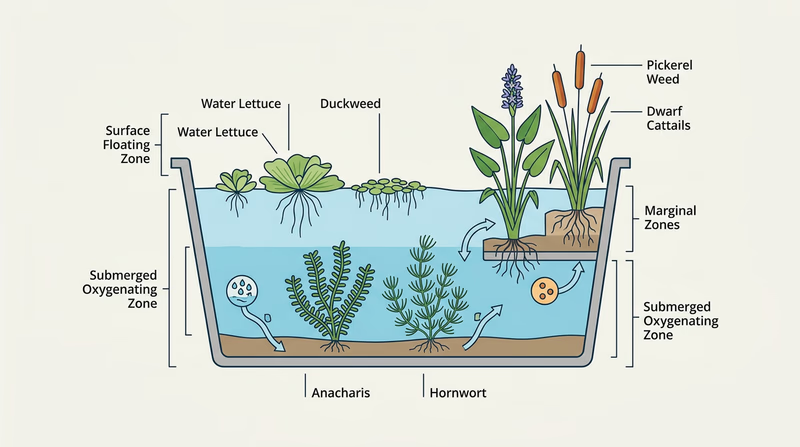
Water gardens often use a mix of plant types:
- Submerged or oxygenating plants that live mostly underwater
- Floating plants that rest on the surface
- Marginal plants that grow at the edges with roots in wet conditions
The right plant mix depends on the size and depth of your setup. Your counselor can help you keep the project realistic.
Maintenance Over 90 Days
Your weekly observations should include water level, plant health, algae growth, leaf color, new growth, and whether the setup attracts insects or other small wildlife. If the water gets cloudy or green, that is an observation worth discussing, not something to hide.
A water garden is a small ecosystem, so changes in sunlight, nutrient buildup, and decaying plant material can affect the whole setup.
Water Garden Watch List
These details tell you whether the system is staying balanced
- Is the water level holding steady?
- Are leaves yellowing, rotting, or crowding the surface?
- Is algae increasing?
- Is the container or pond staying stable and safe?
- Are you seeing insects or pollinator visits around the edges?
Safety and Responsibility
Even a small water feature deserves careful attention. Standing water can become slippery, and deeper ponds need more supervision and stability than many people expect.
Why This Option Helps Gardeners
Water gardens teach balance. Too much sun may increase algae. Too much decaying material can foul the water. The wrong plant mix can crowd the system. That makes this option a good fit for Scouts who enjoy observation and gradual adjustment.
It also connects nicely to Req 6, because water gardens may support pollinators and other small wildlife when designed thoughtfully.
Missouri Botanical Garden — Water Gardens A reputable botanical-garden resource hub that can support research into plant care, pond conditions, and water-garden planning.You have now explored gardening with standing water. Next, move into the option most directly connected to pollination and honey production: preparing and handling a honey super.