Req 8f — Soil Garden Project
This option is the classic gardening project. You choose a site, choose plants, work with real soil, and keep the garden going long enough to harvest or complete a full 90-day stretch. It is flexible, practical, and one of the best ways to show broad gardening skill.
Planning the Garden
The requirement says your garden should include at least three types of plants approved by your counselor. That means you need a thoughtful plan, not random planting. Pick plants with a realistic chance of success in your season and space.
You can do this outdoors in a bed, raised bed, or containers. Indoor container gardening can also work if the light is strong enough and the containers are appropriate.
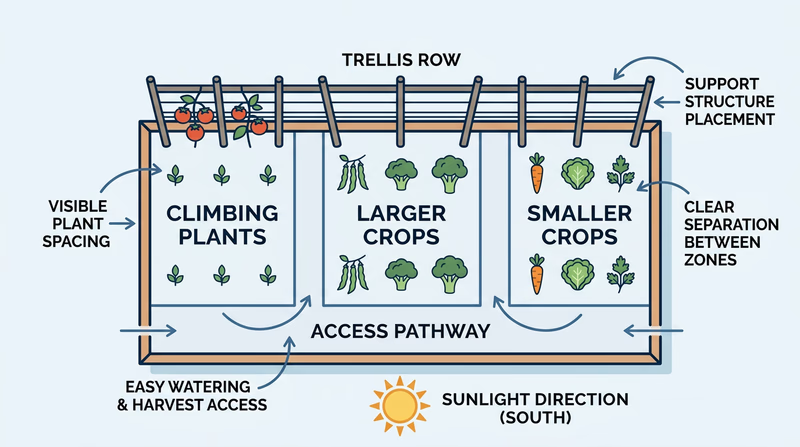
Build a Strong Garden Plan
Think through the project before you start planting
- Choose a site with suitable light for your plants.
- Make sure containers or beds drain properly.
- Pick three plant types with similar care needs when possible.
- Confirm spacing, support needs, and time to harvest.
- Decide how you will water consistently.
Soil Is the Foundation
Soil is more than brown stuff that holds roots. It stores water, supplies nutrients, supports microorganisms, and gives plants physical anchoring. Good garden soil drains well but does not dry instantly. It holds nutrients without becoming compacted like brick.
This is where lessons from Req 8a or Req 8b can help. Compost and worm castings improve the growing environment, which can directly help this project succeed.
Starting From Seed or Plantings
You may begin from seeds, transplants, or a mix, depending on your counselor’s approval and your season. Seeds teach patience and early-stage care. Plantings or transplants give you a head start. Either way, you need to maintain the garden through harvest or for 90 days.
Good observations include how quickly different plants establish, how often they need water, when they begin flowering or fruiting, and what problems come up.
Maintaining the Garden Week by Week
A real garden changes constantly. One week you may be thinning seedlings. The next you may be staking tomatoes, pinching herbs, or checking for pests. Water needs may rise with heat. Rain may change your whole routine.
That is why weekly observations are part of the requirement. They show you noticed the garden as a living system instead of planting once and forgetting it.
What Success Looks Like
Success does not mean every plant becomes perfect. Success means you made decisions, cared for the plants steadily, learned from setbacks, and brought the project to harvest or the required project length. Counselors want to see understanding, follow-through, and evidence of care.
A Scout who can explain why basil thrived, why beans needed support, or why one container dried out faster than another is showing real gardening skill.
Why This Option Is So Valuable
This project brings together most of the badge. You use safe habits from Req 1a–1b, growing knowledge from Req 2a and Req 2b, and problem-solving skills from Req 7. It is the broadest single test of what you have learned.
University of Illinois Extension — Vegetable Garden Basics A practical overview of planning, planting, and maintaining a home vegetable garden.You have now seen all six project paths in Requirement 8. Next, finish the badge by choosing between careers in gardening or gardening as a healthy lifelong hobby.