Req 9b — Gardening as a Hobby & Healthy Lifestyle
A lot of merit badges teach skills you may use once in a while. Gardening is different. It can become part of everyday life. It can shape what you eat, how you spend time outdoors, how you handle stress, and how you contribute to your home or community.
How Gardening Fits a Healthy Lifestyle
Gardening supports health in more than one way.
Physical Activity
Digging, planting, weeding, lifting, and watering all involve movement. It is not the same as sports training, but it is real physical work that gets you outside and active.
Better Food Awareness
People who grow vegetables or herbs often become more interested in eating them. Fresh food from the garden can make healthy choices feel more normal and satisfying.
Stress Relief and Mental Focus
Many gardeners find the work calming. Repetitive outdoor tasks, close observation, and steady progress can reduce stress and help people slow down.
Sense of Responsibility
Plants do not care whether you are busy. They still need water and attention. That makes gardening a habit-building hobby. It teaches consistency.
What You Might Need to Enjoy It More
The requirement asks you to research extra training, expenses, and organizations that could help you enjoy gardening more and get more benefit from it.
Training
You may not need formal classes to begin, but local workshops, extension programs, community garden orientations, botanic garden classes, or online courses can improve your skill fast.
Expenses
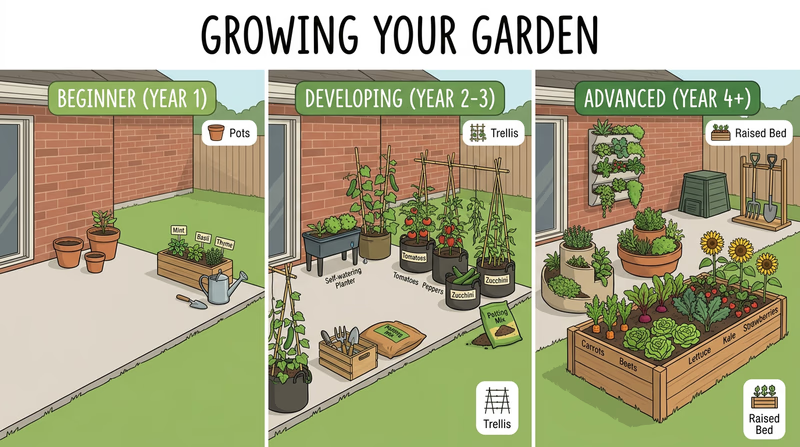
Gardening can be inexpensive or fairly costly depending on what you do. A few packets of seed and containers cost much less than raised beds, grow lights, irrigation, and specialty tools. Your counselor will likely want to hear that you understand both starter costs and ongoing costs.
Organizations and Affiliations
Community gardens, local garden clubs, native plant societies, Master Gardener programs, public gardens, and extension systems can all help you learn, meet other gardeners, and stay motivated.
What to Research for This Option
Build a realistic picture of gardening as a long-term hobby
- What kind of gardening interests you most: vegetables, flowers, pollinators, native plants, containers, hydroponics?
- What would you need to buy to get started?
- What local groups, gardens, or classes could help you improve?
- What short-term goals could you achieve this season?
- What long-term goals could you pursue over several years?
Setting Short-Term and Long-Term Goals
The requirement specifically asks you to share short-term and long-term goals. That means your discussion should include actions, not just ideas.
A short-term goal might be growing salad greens in containers, joining a community garden, starting a pollinator bed, or learning to compost successfully this year.
A long-term goal might be building a larger home garden, supplying some family produce each summer, learning native plant landscaping, or volunteering regularly in a public garden.
Why This Option Matters
This option is about seeing gardening as a lifestyle, not just a project. It invites you to ask what role plants and outdoor care might play in your own future. That could mean healthier eating, more time outside, more confidence in growing food, or stronger community involvement.
It also connects with nearly every earlier part of the badge. If you liked the projects in Req 8, this option helps you imagine continuing one of them after the badge is complete.
National Garden Clubs A nationwide organization that can help gardeners find clubs, projects, and educational opportunities. American Community Gardening Association A useful resource for learning how community gardens support food access, education, and local involvement.You have completed the final requirement path. Next, go beyond the badge with deeper ideas, real-world experiences, and organizations that can keep your gardening journey growing.