Req 3 — Interview a Relative
One conversation can uncover stories that never made it into any official record. A relative might remember why the family moved, what a great-grandparent was like, or how a nickname began. Those details can disappear if nobody asks.
This requirement teaches one of the most valuable skills in genealogy: interviewing people respectfully and recording what they say accurately. Records can tell you that something happened. Interviews often help you understand why it mattered.
Choose the Right Person
With help from a parent or guardian, choose someone who can share family knowledge. This could be a grandparent, aunt, uncle, older cousin, family friend, neighbor, or someone who knew an earlier generation well. You do not have to interview the oldest person in the family. Sometimes the best choice is the person who is organized, remembers stories clearly, or has access to photos and papers.
Think about what you want to learn. Are you looking for childhood memories, migration stories, military service, family traditions, or clues to names and dates? Your goal can help you choose the best person to interview.
Prepare Before You Ask Questions
A strong interview feels natural, but it starts with preparation. Before the interview, write down what you already know and what you still want to learn. That keeps you from wasting time on facts you already have and helps you ask better follow-up questions.
Good genealogy interview questions are open-ended. Instead of asking, “Did you like school?” ask, “What do you remember most about school when you were my age?” Open-ended questions encourage stories instead of one-word answers.
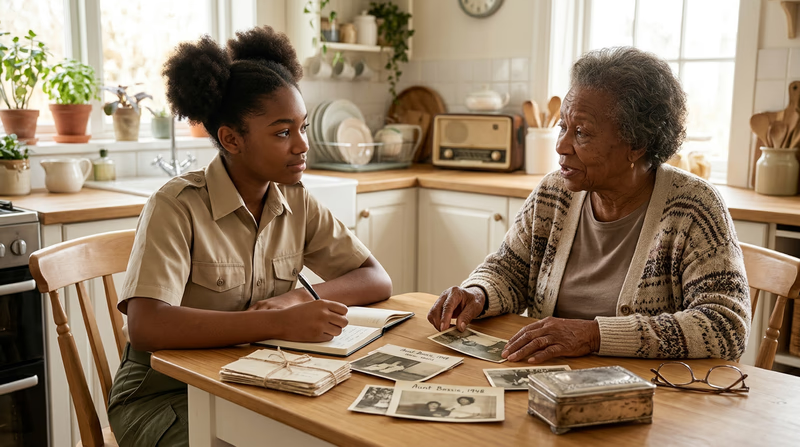
Here are some strong categories to ask about:
- Childhood home and neighborhood
- Parents, siblings, and grandparents
- School, jobs, and hobbies
- Military service or major moves
- Family traditions, holidays, and recipes
- Difficult times and how the family handled them
- Important documents, photos, or keepsakes
Record the Information Carefully
The requirement says to record what you collect so you do not forget it. That part is just as important as the interview itself. You may take notes by hand, type while you talk, or record the conversation if the person agrees and your parent or guardian is comfortable with it.
Try to capture:
- Names and spellings
- Dates or date ranges
- Locations
- Relationships between people
- Specific stories or quotes
- Leads for future research
Soon after the interview, review your notes while the conversation is still fresh. Mark anything you need to verify later. If the person mentions a family Bible, box of letters, or old military papers, write that down too. Those clues may help with Req 4, where you will work with genealogical resources and documents.
Interview Day Checklist
Use this before and during the conversation
- Ask permission first: Make sure the person is comfortable with the interview.
- Bring prepared questions: Have more questions than you think you will need.
- Listen closely: Some of the best clues appear in unexpected stories.
- Record carefully: Write down names, dates, places, and follow-up leads.
- Say thank you: Family history depends on trust and generosity.
Be Respectful with Sensitive Topics
Not every family story is easy. Some topics may involve grief, divorce, illness, adoption, war, or conflict. If the person seems uncomfortable, be gentle. You can move to another question or ask whether they would prefer not to discuss it.
In genealogy, respect matters more than curiosity. You are not just collecting facts. You are talking with a real person about real memories. If you handle that well, relatives are much more likely to help you again.
StoryCorps — Great Questions A large collection of respectful, open-ended interview questions that can help you start meaningful conversations.You now know how to prepare for a family-history interview and preserve what you learn. Next, you will move from memories to documents and discover where genealogists find evidence.