Extended Learning
A. Congratulations
You have done more than look for hidden containers. You have learned how to plan trips, use GPS wisely, navigate with backup tools, care for outdoor spaces, and think like both a seeker and a steward. That mix of technology, observation, and responsibility is what makes geocaching such a strong Scout activity.
If you enjoyed this badge, you have only scratched the surface. Geocaching can keep growing with you for years because every new place, cache type, and leadership role adds another layer to the adventure.
B. Beyond Traditional Caches
Traditional caches are the easiest way to begin, but they are not the end of the hobby. As your confidence grows, you can try multi-caches, puzzle caches, EarthCaches, letterbox hybrids, and event caches. Each one develops a different skill.
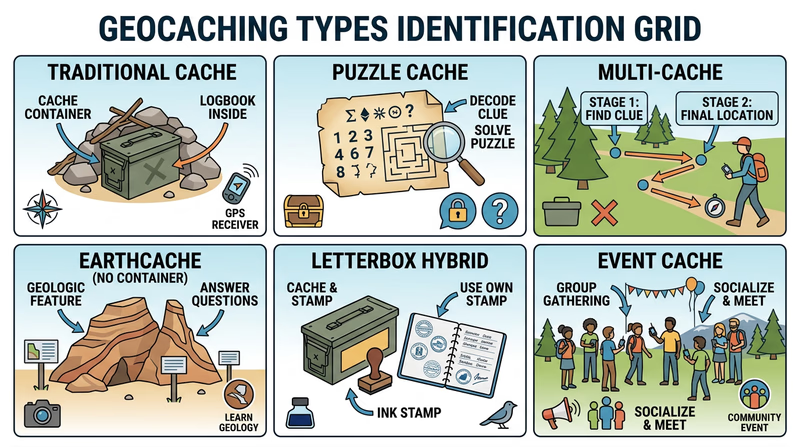
Puzzle caches build patience and logical thinking before the trip even begins. Multi-caches reward careful observation because each stage reveals information for the next one. EarthCaches are especially interesting for Scouts who like geology, because they teach you about the land itself instead of sending you to a container.
Trying more advanced cache types can also make you a better planner. You start to notice which caches need longer time windows, better route study, or more gear. That deeper preparation is a sign that you are moving from beginner geocacher to experienced one.
Another benefit of advanced cache types is that they make you read listings more carefully. A beginner may only notice the coordinates. A stronger geocacher studies the hint, the attributes, the ratings, and the recent logs to understand the full challenge before leaving home.
As you explore these types, keep the same habits you learned in the badge: stay safe, protect the site, and log honestly. The challenge may get harder, but the standards do not change.
C. Geocaching as Citizen Observation
Geocaching can sharpen the same observation habits that scientists, naturalists, and search-and-rescue teams value. When you hunt for a cache, you learn to notice small disturbances, patterns in terrain, likely hiding spots, and the way a place fits together.
Those same habits help with birding, conservation work, trail stewardship, and outdoor leadership. A Scout who notices where water is flowing, where vegetation is being trampled, or where people are making social trails is already thinking beyond the cache.
This is one reason geocaching fits so well with other merit badges. The observation skills connect naturally to Bird Study, the route planning connects to badges like Hiking, and the environmental awareness connects to outdoor ethics across Scouting.
You can strengthen this skill by keeping short field notes after each trip. Record what the listing led you to expect, what the site actually looked like, and what clues led to the find. Over time, you will notice that your “search sense” improves.
Geocaching also teaches humility. Sometimes the clue is obvious only after you find it. That is good practice for any kind of outdoor learning. It reminds you to slow down, observe, and stay curious.
D. Stewardship and Leadership in the Hobby
One of the most mature ways to grow in geocaching is to become someone who improves the experience for others. That can mean maintaining a great cache, writing thoughtful logs, participating in CITO, or planning activities for younger Scouts.
Thoughtful logs matter more than many people realize. A one-line entry proves a cache was found, but a better log gives useful context. It can tell the owner whether the container is wet, whether the coordinates seemed accurate, or whether the area has changed. Good logs make the whole game healthier.
Leadership also shows up in the way you guide less experienced geocachers. A Scout who helps younger players learn GPS basics, search gently, and protect the site is doing more than teaching a hobby. They are shaping the next generation of responsible users.
You may also discover that geocaching is a good way to introduce people to parks, trails, and local history. A well-planned geohunt or a service-oriented caching activity can turn a familiar place into a new adventure. That is real leadership: helping others see a place differently and treat it with care.
The longer you stay involved, the more you will see that the best geocachers are not only clever finders. They are patient teachers, careful planners, and dependable stewards.
E. Real-World Experiences to Try
- Attend a geocaching event: Watch how experienced geocachers share tips, stories, and community expectations.
- Visit a new kind of landscape: Try caches at a shoreline, historic district, wildlife area, or trail system you have not explored before.
- Pair a cache trip with service: Bring gloves and a small trash bag so your outing includes CITO in action.
- Run a youth geohunt again: Improve the course from Req 9 and try it with a different age group.
- Explore a puzzle or EarthCache: Stretch your skills beyond traditional hides.