Req 1 — Safety, First Aid, and Planning
This requirement covers the three habits that make every geocaching trip better:
- Spot hazards before they become problems
- Know basic first aid for outdoor situations
- Make a real plan before you head out
Geocaching feels like a game, but it happens in real places with real weather, terrain, plants, insects, and people. A Scout who can find a cache safely is far more prepared than someone who only knows how to follow an arrow on a screen.
Requirement 1a: Common Hazards on a Geocaching Trip
A geocache can be hidden almost anywhere legal and appropriate: beside a trail, near a fence line, in a city park, along a shoreline, or at the edge of the woods. That variety is what makes geocaching fun, but it also means the hazards change from place to place. The smartest geocachers do not just ask, “Where is the cache?” They ask, “What could go wrong here, and how do I avoid it?”
Terrain and footing hazards
Many cache locations involve uneven ground. You might cross roots, loose gravel, mud, wet leaves, rocks, or steep slopes. Slips, twisted ankles, and falls are some of the most likely problems on a geocaching trip.
To prevent these problems:
- Wear shoes or boots with good traction.
- Slow down when you get close to ground zero instead of rushing.
- Look at the ground before stepping off a trail or over a log.
- Keep your hands free when moving through rough ground.
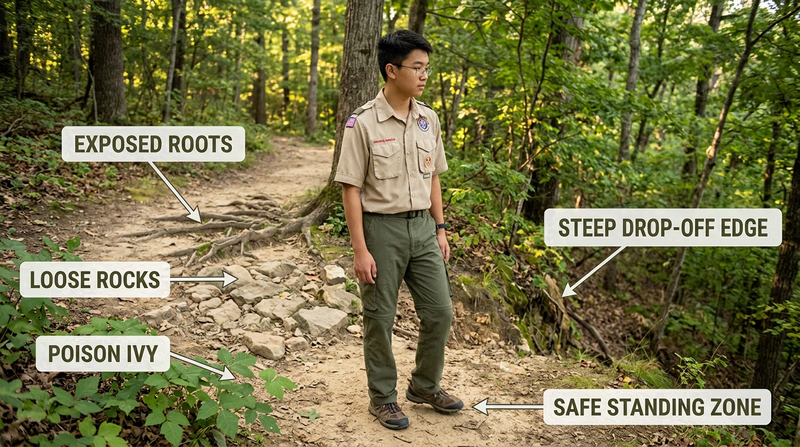
If someone falls, stop moving, check for pain, swelling, or bleeding, and decide whether they can walk safely or need help. Do not turn a small injury into a bigger one by pushing ahead carelessly.
Weather and exposure hazards
Heat, sun, cold, rain, wind, and lightning can all turn a fun hunt into a bad day. A cache that is easy in cool weather may be risky during a heat wave or a thunderstorm.
Anticipate weather hazards by checking the forecast before you leave. Dress in layers when it is cold. Bring sun protection and extra water when it is hot. If thunder is close enough that you can hear it, stop the activity and move to proper shelter. Geocaching is never worth risking heat illness, hypothermia, or a lightning strike.
Plants, insects, and animals
When you reach into brush, under logs, or around rocks, you may encounter thorny plants, poison ivy, ticks, spiders, snakes, wasps, or ants. That does not mean geocaching is unsafe. It means you need to search carefully and never grab where you cannot see.
Good prevention includes long pants in brushy areas, insect repellent when appropriate, and checking your body for ticks after the trip. If you see wildlife, back away and give it space. A cache hunt should never disturb an animal or its habitat.
Property, traffic, and “muggle” hazards
Some geocaches are in busy public places. That creates different risks: traffic, strangers, and the temptation to step into places you should not go. Never enter private property, cross fences, climb unsafe structures, or search in places marked closed or restricted.
If a location seems wrong, trust your judgment. The posted coordinates might be off slightly, or the cache may have shifted. Back off, re-check the listing, and think before acting.
Before You Search
Quick hazard scan at every cache site
- Look around first: Check traffic, terrain, water, drop-offs, and other people nearby.
- Check the weather: Heat, cold, storms, and fading daylight change your risk level fast.
- Watch your hands: Never reach into a place you cannot see clearly.
- Know your limits: If the site needs climbing, wading, or risky scrambling, stop unless that activity is clearly safe and allowed.
Requirement 1b: First Aid and Prevention for Common Problems
Most geocaching first aid is simple, but simple only works if you remember the basics. Your job is not to be a doctor. Your job is to prevent problems when possible, recognize trouble early, and respond calmly.
Cuts and scrapes
Cuts and scrapes are common when searching through brush, reaching near rough surfaces, or slipping on rocky ground. Prevent them by wearing appropriate clothing and searching carefully instead of plunging your hands into hiding spots.
For minor cuts and scrapes, wash the area with clean water, remove dirt if you can do so gently, apply a clean bandage, and watch for signs of infection. If bleeding is heavy or will not stop, apply direct pressure and get help.
Snakebite, insect stings, and tick bites
The best snakebite prevention is simple: watch where you step and place your hands, and never try to touch or move a snake. If someone is bitten, keep them calm, limit movement, and seek medical help right away. Do not cut the wound, suck out venom, or apply a tourniquet.
For insect stings, move away from the insects first. Remove a visible stinger by scraping it out, wash the area, and use a cold pack to help with swelling. Watch closely for an allergic reaction, especially trouble breathing, swelling of the face or throat, or dizziness. That is an emergency.
Ticks are common in grassy and wooded areas. Wear long clothing when appropriate, use tick prevention measures, and do a full tick check after the trip. Remove a tick promptly with fine-tipped tweezers, pulling steadily near the skin.
Poisonous plants
Poison ivy, poison oak, and poison sumac are easier to avoid than to treat. Learn what the plants in your area look like. Stay on durable paths when possible, and do not crawl into vegetation just to chase a difficult cache.
If skin contacts a poisonous plant, wash the area as soon as possible and avoid spreading the plant oil by touching other parts of your body. A rash may need medical attention if it is severe or affects the face or breathing.
Heat illness, sunburn, and dehydration
Geocaching often involves walking farther than you expected because the search area, wrong turns, and extra exploring add distance. Heat exhaustion and dehydration can sneak up on you.
Prevent heat problems by drinking water regularly, wearing light clothing in hot weather, resting in shade, and planning strenuous searches for cooler parts of the day. Sunburn is also an injury. Use sunscreen, a hat, and protective clothing.
Heat exhaustion often includes heavy sweating, weakness, headache, nausea, dizziness, and cool clammy skin. Move the person to shade, loosen clothing, cool them, and give water if they are alert.
Heatstroke is an emergency. Warning signs include confusion, altered behavior, fainting, and very high body temperature. Get emergency help immediately and begin cooling the person.
Cold reactions and hypothermia
Cold weather geocaching brings its own risks. Wet clothing, wind, and long inactive periods can chill you faster than you expect. Dress in layers, keep extra dry clothing if conditions call for it, and avoid cotton in cold wet conditions when possible.
Hypothermia may begin with shivering, clumsiness, and poor judgment. Move the person to shelter, remove wet clothing, warm them gradually, and get help. Do not ignore mental confusion in cold weather. That can be a serious sign.
Requirement 1c: Planning a GPS-Based Activity
Good geocaching trips start before anyone leaves home. GPS is helpful, but it does not replace planning. Batteries die. Signals drift. Trails close. A cache that looks close on a map might actually require a much longer walk.
Use the buddy system
Geocaching is better with another person anyway. A buddy helps with navigation, keeps the search fun, and adds a layer of safety if someone gets hurt, lost, or needs help. Stay together, especially near roads, water, steep ground, or remote trails.
Share the plan with others
Before you head out, tell a parent, guardian, or other responsible adult where you are going, who is going with you, when you expect to return, and how to reach you. If your plan changes, update them when you can. This matters even for short local trips.
Think through route, weather, and terrain
Study the cache location before the trip. Ask yourself:
- Where will we park or begin?
- How long is the walk really?
- Is the area urban, wooded, hilly, wet, or remote?
- What weather is expected during the whole trip, not just at the start?
- Do we have a backup route if a trail is closed or the area is too crowded?
Dress and pack for the conditions
Proper attire depends on where you are going. Trail geocaching may call for sturdy footwear, long pants, rain gear, and water. Urban caching may still need sun protection, a charged phone, and a pencil for the logbook. Bring more water than you think you need, especially in warm weather.
Simple Geocaching Trip Plan
What to decide before leaving home
- Who is going: Use the buddy system and make sure everyone knows the plan.
- Where you are going: Save the cache location, parking area, and route.
- What the weather is doing: Check forecast, temperature, storms, and sunset time.
- What you are wearing and carrying: Match clothing and gear to terrain and conditions.
- Who knows your plan: Leave your route and return time with a parent, guardian, or leader.
Geocaching works best when all three parts of this requirement connect. Planning helps you avoid hazards. Good hazard awareness reduces injuries. Good first aid knowledge helps when prevention is not enough. In Req 2, you will build on that by learning the ethics that keep geocaching fun for everyone.