Req 8c — Hide and Maintain a Cache
Hiding a cache may sound like the most exciting option in Requirement 8, but it is also the most serious. The moment your cache goes public, other people begin trusting you. They trust you to choose a safe location, write an accurate listing, keep the container in good shape, and remove it when you can no longer care for it.
Choose a location for the long term
A good geocache site is more than a clever hiding place. It should be legal, publicly accessible, safe, and durable enough to handle repeat visits without damage. Ask yourself whether dozens of seekers could visit over time without trampling plants, bothering neighbors, or creating a trail where none should exist.
That question matters because cache ownership is really land stewardship. If the site cannot handle traffic well, it is the wrong site.
Build a real maintenance plan
Your counselor needs to see that you can care for the cache for three months. A maintenance plan should include:
- how often you will check the listing and logs
- what you will do if the container gets wet or damaged
- how you will replace a full or ruined logbook
- how quickly you will respond to problems
- what you will do if you must stop maintaining the cache
A weak plan says, “I will check it sometimes.” A strong plan says, “I will review logs each week, inspect the container in person when needed, replace damaged materials quickly, and archive the cache if I can no longer maintain it responsibly.”
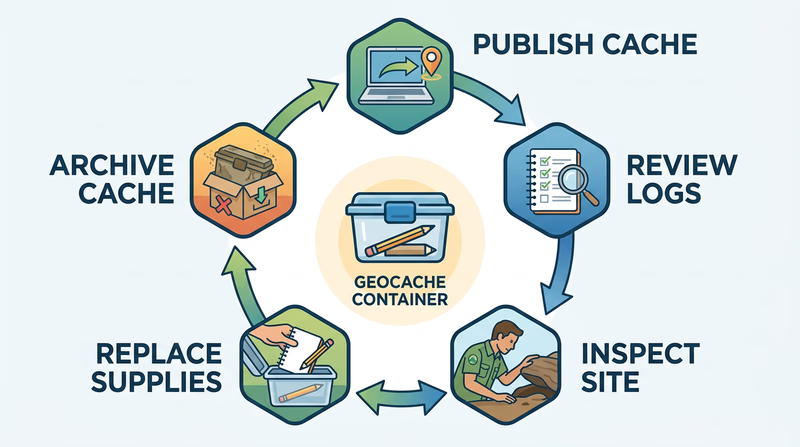
Three-Month Maintenance Plan
What your counselor should see in your plan
- Check logs regularly: Review the listing often enough to spot problems quickly.
- Inspect the cache when needed: Respond to wet containers, missing logs, or repeated DNFs.
- Replace supplies: Keep a dry logbook and container in good condition.
- Know your exit plan: Archive the cache when you can no longer maintain it.
After publication: pay attention
A cache does not become self-managing once it is listed. Watch the online logs for 30 days as the requirement says. The logs will tell you a lot:
- Are seekers finding it consistently?
- Is the description clear?
- Is the container staying dry?
- Is the site handling traffic well?
- Are there signs the cache should be moved or archived?
This monitoring period teaches you that cache ownership is an ongoing responsibility, not a one-time project.
When to archive the cache
Archiving is not failure. It is the responsible end of the job when you can no longer care for the cache. If you move away, lose access, stop checking the logs, or realize the location no longer works well, the right move is to archive it and remove the container. Leaving an abandoned cache behind turns the hobby into litter.
This option gives you the closest look at what keeps geocaching working over time. If you want an option centered more directly on environmental service, Req 8d focuses on CITO and helping public cache areas stay clean and healthy.