Req 1 — Course Safety & First Aid
A golf course can look calm and peaceful, but it still has real hazards. A fast-moving golf ball, a metal club in a thunderstorm, hours in hot sun, uneven ground, and insects or plants along the edge of play can all turn a fun round into an emergency. This requirement is about learning to notice those risks early and respond the right way.
Course Safety Basics
Whether you choose traditional golf or disc golf, good safety starts before the first shot.
Safe Golf Habits
Use these habits every time you play
- Watch the people around you: Never swing a club or throw a disc if someone is within range.
- Stay out of the hitting area: Stand well behind or beside the player, not near the backswing or flight path.
- Call out danger: In traditional golf, yell “Fore!” if a ball is heading toward people. In disc golf, warn people immediately if a throw is drifting toward them.
- Dress for the conditions: Hat, sunscreen, water, and weather-appropriate clothing matter.
- Know the course: Notice water hazards, steep slopes, cart paths, roots, bunkers, and out-of-bounds areas.
- Respect storms: Stop play right away if lightning is nearby.
First Aid Problems Golfers Commonly Face
Lightning
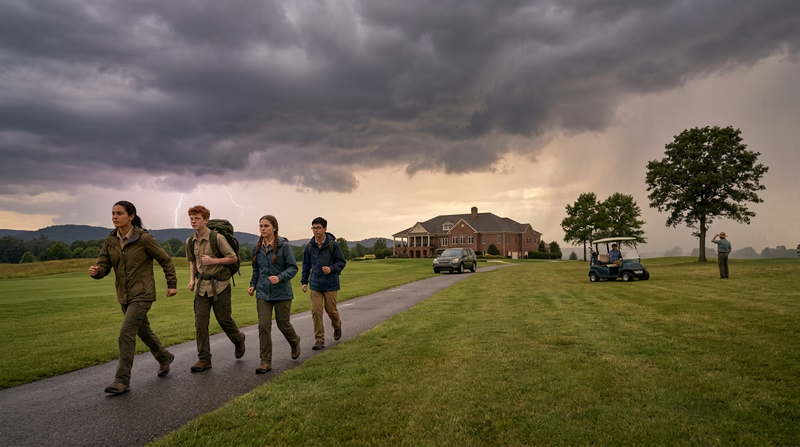
Lightning is the most serious weather threat on a golf course because players are often in wide-open spaces. If someone is struck, call 911 immediately. A lightning victim does not carry an electrical charge, so it is safe to touch them. Check breathing and responsiveness first. If the person is not breathing and you are trained, begin CPR and use an AED if one is available.
Heat Reactions
Heat exhaustion can build slowly during a long round. Warning signs include heavy sweating, weakness, dizziness, headache, nausea, and pale or clammy skin. Move the person to shade, loosen tight clothing, cool them with wet cloths, and give small sips of water if they are awake and not vomiting. Heat stroke is an emergency: the person may be confused, stop sweating, or have hot, dry skin. Call 911 right away.
Sunburn and Dehydration
Sunburn may seem minor at first, but it can ruin a round and make the body less able to cool itself. Treat mild sunburn by getting out of the sun, cooling the skin, and drinking fluids. Dehydration often shows up as thirst, dry mouth, headache, tiredness, and dark urine. The best first aid is prevention: drink before you feel thirsty and keep drinking during the round.
Blisters
Blisters are common in both kinds of golf because hands and feet repeat the same motion over and over. A hot spot on the heel or palm can quickly turn into a painful blister. Cover hot spots early with moleskin, athletic tape, or a blister bandage. If a blister is already formed, protect it with a clean covering and avoid popping it unless a trained adult or medical professional tells you to do so.
Animal or Bug Bites
Mosquitoes, ants, bees, wasps, ticks, and even snakes may be present along rough, wooded, or grassy edges of a course. For typical insect bites or stings, wash the area, use a cold pack, and watch for swelling. If the person has trouble breathing, widespread hives, or swelling of the face or throat, this may be an allergic reaction and needs emergency help immediately.
Poison Ivy Exposure
If skin brushes against poison ivy, poison oak, or poison sumac, wash the area with soap and water as soon as possible. Wash clubs, shoes, towels, or discs that may have touched the plant too. Avoid scratching because that can break the skin and lead to infection.
Sprains and Strains
Golf involves twisting, bending, and sudden force. Ankles, wrists, elbows, shoulders, and lower backs can all get hurt. For a sprain or strain, stop playing, rest the area, use a cold pack, and get adult help if the pain is strong, swelling increases, or the person cannot bear weight.
How to Think Through an Injury
Official Resource
The video is a good review tool because it connects course-specific situations to first-aid responses. As you watch, pause and ask yourself what you would do first, what danger you would check for, and when you would call for emergency help.
American Red Cross — First Aid Steps A clear guide to checking the scene, getting help, and giving first aid for common emergencies.Now that you know how to stay safe and respond to common injuries, you are ready to choose which path of the badge you want to complete.