Req 9 — Volunteer in Health Care
This requirement is where the badge stops being only about careers and starts being about service. Health care is not just a collection of jobs. It is a commitment to helping people. Even a short volunteer experience can teach you how much preparation, teamwork, and respect go into serving a community well.
Finding the Right Opportunity
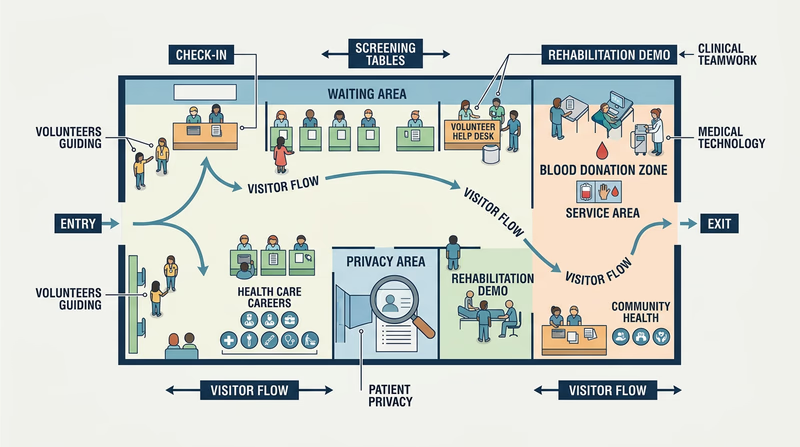
Look for events or facilities where volunteers are welcomed and where your role will be age-appropriate. Good examples include community health fairs, blood drives, vaccination clinics, hospital volunteer programs for teens, nursing home activity support, adaptive sports events, public health outreach events, and wellness screenings.
The best opportunity is not necessarily the most dramatic one. A simple job done well — greeting families, helping people find the right table, restocking supplies, setting up chairs, or guiding visitors — can still teach you a lot about how health care events operate.
Before You Volunteer
Handle the basics first
- Get approval: parent or guardian first, then your counselor
- Confirm the role: know exactly what volunteers are allowed to do
- Ask about dress and arrival time: professionalism matters
- Bring a notebook: write down observations after the event, not during busy moments
- Respect privacy: never share personal patient information afterward
What to Watch For
While you serve, pay attention to more than your own task. Notice how the event is organized.
- Who greets people first?
- How is traffic or patient flow managed?
- What safety or privacy rules are obvious?
- Which professionals are present?
- How do volunteers support the professionals without getting in the way?
These observations will help you give a stronger report to your counselor later.
What You Might Learn
A volunteer experience can teach lessons that are easy to miss in a classroom:
Health Care Depends on Teamwork
Even small events require planning, supplies, communication, and backup plans. You may notice that volunteers, nurses, technicians, office staff, and community partners all have different jobs but one shared goal.
Service Includes Respect
People who come to a blood drive or health fair may be nervous, confused, tired, or dealing with a serious personal issue. Kindness, patience, and clear directions matter.
Small Jobs Matter
A volunteer who keeps forms organized, helps with setup, or calmly directs people can make the whole event work better. In health care, details are rarely “small” for long.
Reporting Back to Your Counselor
After the event, be ready to explain:
- where you served
- what your role was
- what you observed about the event or facility
- what surprised you
- what you learned about health care work or community needs
A strong report includes both facts and reflection. For example, you might say that you expected a blood drive to be mostly about needles, but you learned how much of the process depends on check-in, privacy, snack tables, and making donors feel comfortable.
American Red Cross — Volunteer A good starting point for finding community service opportunities connected to health, blood drives, disaster care, and preparedness. America's Blood Centers — Find a Blood Center Find local blood centers that may host drives or volunteer-supported community events.You have now completed the badge requirements. The Extended Learning page will help you keep exploring health care beyond the badge itself.