 Getting Started
Introduction & Overview
Every great adventure begins with a single step — and the Hiking merit badge is your invitation to take that step into the outdoors. Whether you are walking through a city park, trekking across desert sand, or climbing a mountain trail, hiking connects you to the world in a way nothing else can.
Hiking is one of the oldest human activities. It builds endurance, teaches self-reliance, and puts you face-to-face with the beauty and challenges of nature. This merit badge will prepare you to hike safely, hike responsibly, and hike with confidence — no matter where the trail takes you.
Then and Now
Then — The Hike of Necessity
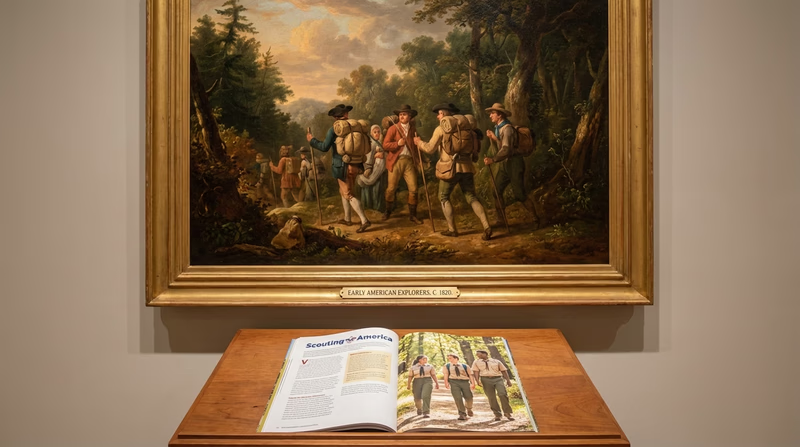
For most of human history, walking long distances was not a hobby — it was survival. People walked to find food, water, and shelter. Armies marched for days across mountains and deserts. Explorers like Lewis and Clark covered thousands of miles on foot to map a continent.
- Purpose: Travel, trade, exploration, survival
- Mindset: Get from here to there — no trail markers, no gear shops, no rescue teams
Now — The Hike of Choice
Today, hiking is something you choose to do for fun, fitness, and connection with nature. Millions of people hit the trails every year. Modern gear makes it safer and more comfortable than ever, but the core experience — putting one foot in front of the other through wild places — remains the same.
- Purpose: Recreation, fitness, adventure, mindfulness
- Mindset: Enjoy the journey, challenge yourself, and leave the trail better than you found it
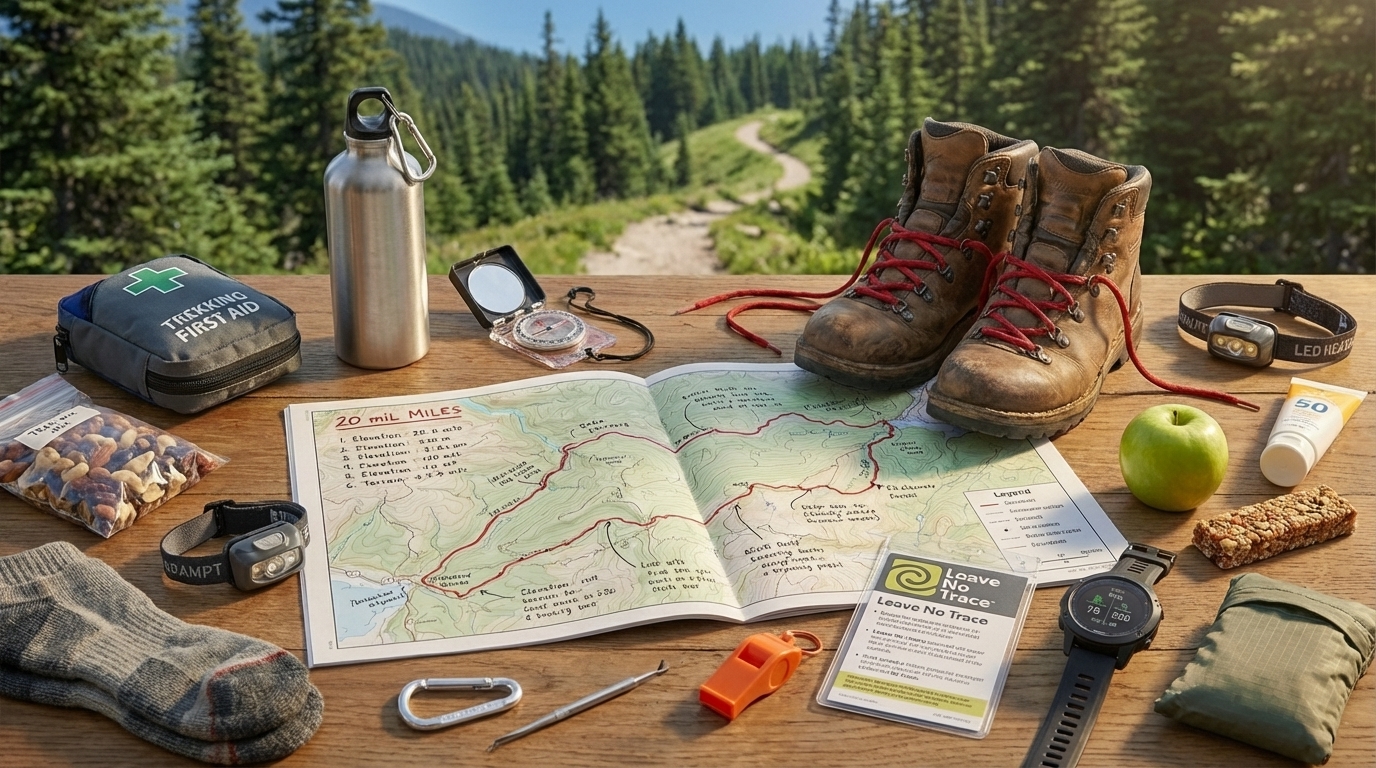
Get Ready! The adventure of hiking awaits you. All you need is a good pair of shoes, a sense of curiosity, and the willingness to explore. Let’s go!
Kinds of Hiking
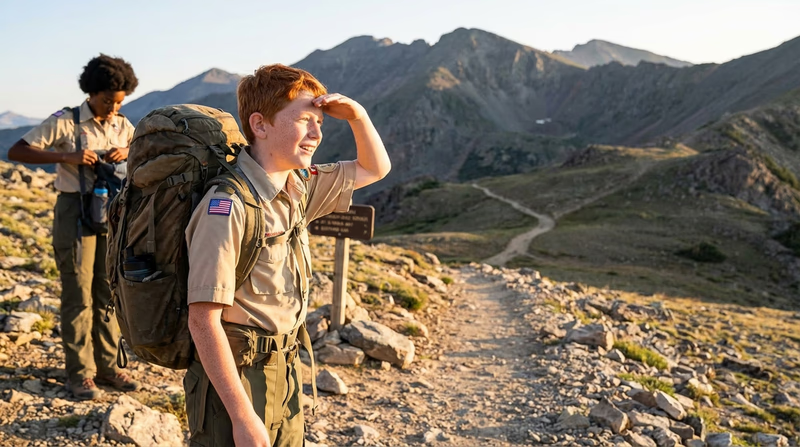
There are many ways to hike. Before you hit the trail, take a look at the variety of hiking styles you can explore.
Urban Hiking
You do not need a mountain to go hiking. Urban hiking takes you through neighborhoods, parks, waterfronts, and historic districts. It is a great way to explore a city on foot and discover places you would miss from a car window.
Back-Roads Hiking
Back-roads hiking follows unpaved country roads, farm lanes, and rural paths. You will often encounter open fields, rolling hills, and very few other people. This is hiking at its most peaceful.
Snow Hiking
Hiking through snow adds a new dimension to the experience. The landscape transforms — familiar trails look completely different under a blanket of white. Snowshoes or traction devices may be needed depending on depth and conditions.
Tundra Hiking
Tundra hiking takes you above the tree line — into alpine meadows and open, windswept terrain. The views are spectacular, but conditions can change fast. There are no trees for shelter if weather rolls in.
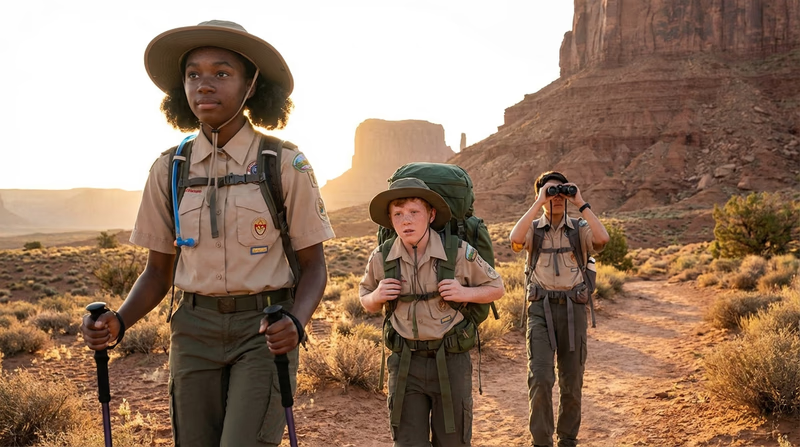
Desert Hiking
Desert hiking offers stunning landscapes — canyons, mesas, and wide-open skies. But the desert is unforgiving. Water is scarce, shade is rare, and temperatures can swing wildly between day and night.
Cross-Country Hiking
Cross-country (or off-trail) hiking means leaving marked trails and navigating through open terrain using a map and compass. It is challenging and rewarding, but requires strong navigation skills.
Night Hiking
Night hiking is exactly what it sounds like — hitting the trail after dark. The forest sounds different, the air feels different, and your other senses sharpen when your eyes cannot do all the work. It is a completely unique experience.
Trail Hiking
Trail hiking is the most common type. You follow a marked, maintained path through forests, mountains, or valleys. Trails are rated by difficulty, so you can find one that matches your experience level.
Now let’s explore the requirements for the Hiking Merit Badge!