Req 1a — Anticipate Hazards
Hey there, Scout! Before you lace up those boots and hit the trail, we need to talk about something every great hiker keeps at the front of their mind: safety. Hiking is one of the best ways to see the world, but the wilderness doesn’t have a “reset” button. Being prepared isn’t just a motto; it’s your best tool for making sure every hike is a great story to tell back at camp.
What’s Your Plan?
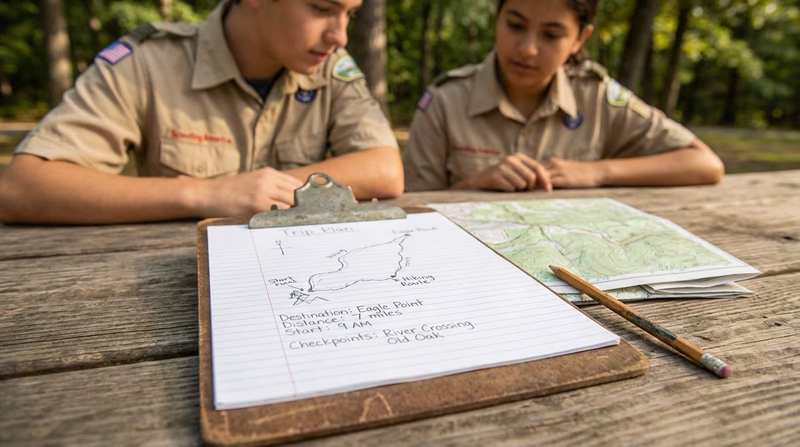
The best way to “anticipate” a hazard is to see it coming before you even leave your driveway. That’s where a Trip Plan comes in. Think of it like a map for your day that you leave with someone who isn’t going on the hike. If you don’t come back when you said you would, they know exactly where to send help.
We call these the Five W’s of a Trip Plan:
- Who: Who is in your group? Does everyone have the right experience for this trail?
- What: What are you doing? Is it a casual day hike, a steep mountain climb, or a multi-day trek?
- When: When are you leaving, and—most importantly—when do you expect to be back?
- Where: Where exactly are you going? Name the trailheads, the trails you’ll follow, and any planned stops.
- Why: What is the goal? Are you training for a bigger hike, or just enjoying the view?
By answering these five questions, you’ve already started preventing emergencies. You’ve checked if the hike is too hard for your group and you’ve given yourself a deadline.
The Gear That Keeps You Safe
Your backpack isn’t just for lunch; it’s a mobile survival kit. When we talk about “mitigating” hazards (which just means making a bad situation less severe), your gear is what does the heavy lifting.
Scout Essentials
The ten things you should never leave without
- Pocketknife: A versatile tool for gear repairs or preparing food (remember your Totin’ Chip!).
- First-aid kit: Essential for treating everything from small scratches to blisters.
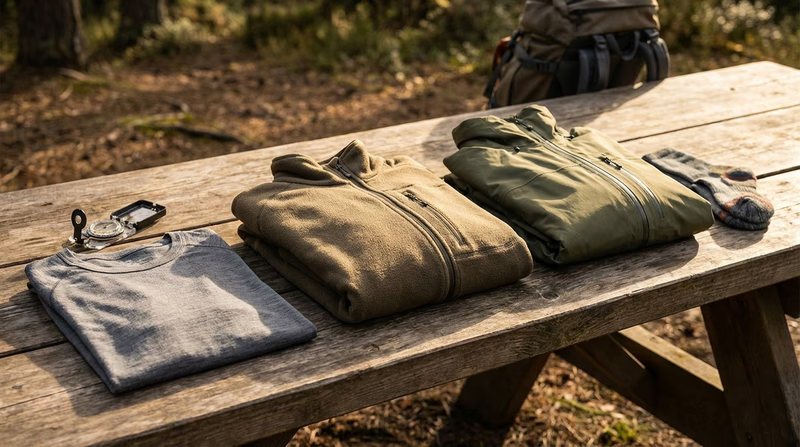
- Extra clothes: Layers to stay warm if the weather changes.
- Water bottle: Dehydration is a major hazard; keep it full and drink often.
- Trail food: High-energy snacks keep your energy up so you don’t get tired and clumsy.
- Flashlight/headlamp: Crucial if your hike takes longer than expected and the sun goes down.
- Sun protection: Sunscreen, a hat, and sunglasses protect you from burns and heat exhaustion.
- Map and compass: These never run out of batteries; they are your primary navigation tools.
- Rain gear: A lightweight poncho or jacket keeps you dry, which is the key to staying warm.
- Whistle: Much louder than your voice and takes less energy to use if you need to signal for help.
Personal First-Aid Kit
Must-haves for your individual kit
- Adhesive bandages: For small cuts and scrapes.
- Gauze pads: To cover larger wounds.
- Adhesive tape: For securing gauze or supporting joints.
- Moleskin: The ultimate trail fix for hotspots and blisters.
- Antiseptic wipes: To clean wounds and prevent infection.
- Antibiotic ointment: To help heal minor cuts and keep them clean.
- Tweezers: For removing splinters, thorns, or ticks.
- Safety pins: To secure bandages or repair gear in a pinch.
- Nitrile gloves: To protect yourself and others when treating a wound.
- Emergency blanket: A lightweight way to stay warm if you’re stuck overnight.
Dressing for Success
The “prevent” part of hiking safety often comes down to what you’re wearing. The right clothes protect you from the environment—whether that’s a blazing sun or a freezing wind.
Warm-Weather Clothing
Stay cool and protected
- Lightweight shirt: Wicking fabrics (not cotton!) move sweat away from your skin.
- Shorts or convertible pants: Give you freedom of movement and help regulate temperature.
- Hiking socks: Synthetic or wool blends prevent blisters better than cotton.
- Sun hat: Protects your face, ears, and neck from the sun’s rays.
- Sunglasses: Protects your eyes from glare, especially on bright or snowy trails.
Cold-Weather Clothing
The layering system
- Moisture-wicking base layer: Keeps your skin dry by moving sweat away.
- Insulating mid layer: A fleece or wool sweater that traps your body heat.
- Waterproof outer shell: Protects you from wind, rain, and snow.
- Warm hat: You lose a lot of heat through your head; keep it covered!
- Gloves: Keep your fingers nimble so you can use your gear and stay warm.
- Wool or synthetic socks: Even if they get wet, these will still keep your feet warm.
Accessories
Extra help on the trail
- Trekking poles: Great for balance on uneven ground and saving your knees on the way down.
- Bandana: Can be a head covering, a sweat wiper, or even an emergency bandage.
- Insect repellent: Keeps the biters away so you can focus on the trail.
- Small notebook and pencil: For taking notes or leaving a message if you need to.
- Watch: Helps you keep track of your “When” and how much daylight you have left.
- Camera: To capture the memories without disturbing the wildlife!
Technology vs. Tradition
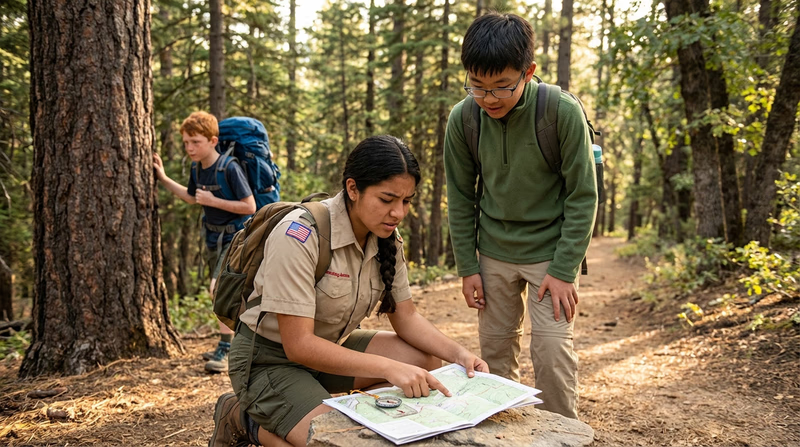
In today’s world, it’s tempting to rely entirely on your phone or a GPS device. These are amazing tools! They can show you exactly where you are on a satellite map and even track your pace. However, technology can fail. Batteries die in the cold, screens break when dropped on rocks, and many wilderness areas have no signal at all.
You should absolutely use hiking apps, but always carry a physical map and a compass as your backup. Learning to read a map is a skill that makes you a more confident and capable Scout.
Expect the Unexpected
Sometimes, despite your best planning, things go wrong. How you “respond” determines whether a hazard becomes a tragedy or just a tough part of the adventure.
Explore More Resources
To dive deeper into how to protect the wilderness while you’re out there, check out these resources:
Wilderness.net Find wilderness areas near you and learn about the rules for visiting these protected lands. Leave No Trace Learn the seven principles that every Scout should follow to keep the outdoors beautiful for everyone. National Wildlife Federation — Respect Wildlife Learn how to safely observe and respect the wildlife you may encounter on the trail.Hiking Safety Video
Watch this video to see some of these safety tips in action and learn more about how to stay safe on your next trek.