Req 1b — First Aid
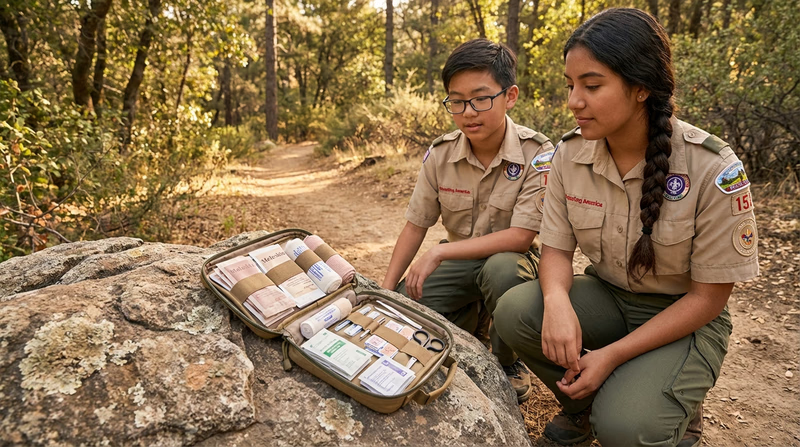
When you are miles away from the nearest trailhead, you are the first responder. Whether it is a small blister or a serious heat-related illness, knowing how to recognize symptoms and provide immediate care can make the difference between a successful hike and a dangerous emergency.
In the previous section (Requirement 1a), we discussed the environmental hazards you might face and the essential items for your first-aid kit. Now, let’s look at how to use those supplies and your knowledge to treat 13 common trail conditions.
Cold-Related Conditions
Even in the summer, temperatures can drop unexpectedly, especially at high altitudes or if you get wet.
Hypothermia
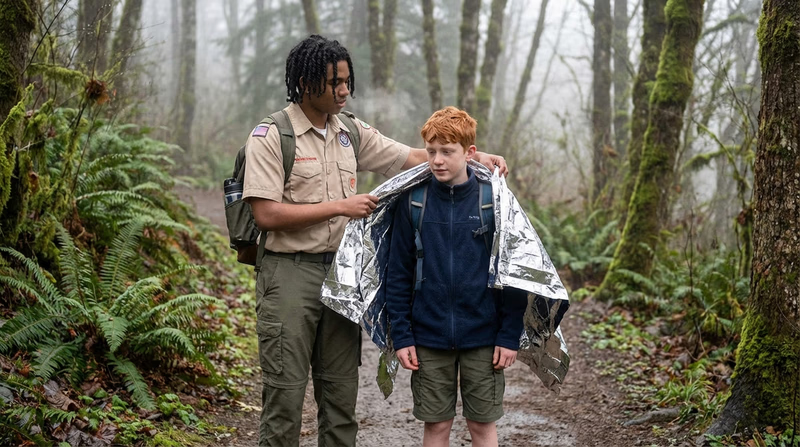
Hypothermia occurs when your body loses heat faster than it can produce it, causing your core temperature to drop to dangerous levels. It is often caused by a combination of “Cold, Wet, and Wind.”
- Signs and Symptoms: Look for the “umbles”—stumbling, mumbling, fumbling, and grumbling. The victim may shiver uncontrollably, seem confused, or become unusually quiet.
- First Aid: Get the person out of the wind and rain. Replace wet clothing with dry layers. Wrap them in blankets or a sleeping bag. Give them warm, non-caffeinated liquids if they are conscious and able to swallow.
Frostbite
Frostbite is the actual freezing of body tissue, usually affecting fingers, toes, the nose, or ears.
- Signs and Symptoms: The skin may look waxy, white, or grayish-yellow. It will feel very cold and numb. In severe cases, the skin may feel hard to the touch.
- First Aid: Move the person to a warm area. Do not rub the affected area, as this can damage the frozen tissue. Gently warm the area using skin-to-skin contact (like putting cold fingers in an armpit). If there is a risk of the area refreezing, do not attempt to thaw it until you reach medical help.
Heat-Related Conditions
On a hot day, your body works hard to stay cool. If it can’t keep up, you can quickly run into trouble.
Dehydration
Dehydration is simply not having enough water in your body to function properly. It is the most common “injury” on the trail.
- Signs and Symptoms: Increased thirst, dry mouth, fatigue, headache, and dark-colored urine.
- First Aid: Drink water slowly. Do not chug it all at once, as this can cause stomach cramps. If you have electrolyte powder in your first-aid kit, mix it with your water to help replace lost salts.
Heat Exhaustion
Heat exhaustion happens when your body overheats and can no longer cool itself effectively through sweating.
- Signs and Symptoms: Heavy sweating, pale skin, muscle cramps, tiredness, dizziness, and nausea. The person’s pulse might be fast but weak.
- First Aid: Move the person to a shady or cool area. Have them lie down and loosen their clothing. Apply cool, wet cloths to their skin and fan them. Give them small sips of water.
Heatstroke
Heatstroke is a true medical emergency. The body’s temperature control system has failed completely.
- Signs and Symptoms: The skin may be hot, red, and dry (sweating may have stopped). The person will be confused or may lose consciousness. They may have a very rapid, strong pulse.
- First Aid: Call for emergency help immediately. Move the person to shade and cool them down as fast as possible by any means available—dousing them with water, fanning, or applying ice packs to the neck, armpits, and groin.
Sunburn
Sunburn is a radiation burn to the skin caused by ultraviolet (UV) rays.
- Signs and Symptoms: Red, painful skin that is warm to the touch. In severe cases, blisters may form.
- First Aid: Move out of the sun. Apply cool compresses or aloe vera gel to the area. Do not pop any blisters, as this increases the risk of infection.
Breathing & Altitude
Changing elevation and physical exertion can affect how you breathe and how your body processes oxygen.
Hyperventilation
Hyperventilation is rapid or deep breathing, usually caused by anxiety, panic, or extreme overexertion.
- Signs and Symptoms: Fast breathing, a feeling of “air hunger,” chest tightness, and tingling in the fingers and toes.
- First Aid: Help the person remain calm. Have them sit down and focus on breathing slowly. Encourage them to breathe through their nose and exhale through pursed lips.
Altitude Sickness
Altitude sickness occurs when you travel to a high elevation (usually above 8,000 feet) too quickly and your body cannot adapt to the lower oxygen levels.
- Signs and Symptoms: Headache (most common), nausea, dizziness, fatigue, and loss of appetite. It often feels like a bad hangover.
- First Aid: The best treatment is to stop ascending. If symptoms do not improve within a few hours or if they get worse, you must descend to a lower elevation.
Trail Injuries
Even the most experienced hikers can take a wrong step or experience friction from their boots.
Sprained Ankle
A sprain is an injury to the ligaments (the tissues that connect bones) caused by twisting or rolling the ankle.
- Signs and Symptoms: Pain, swelling, bruising, and difficulty putting weight on the foot.
- First Aid: Use the R.I.C.E. method:
- Rest: Stop hiking and take weight off the ankle.
- Ice: Apply a cold pack (or a bandana soaked in a cold stream).
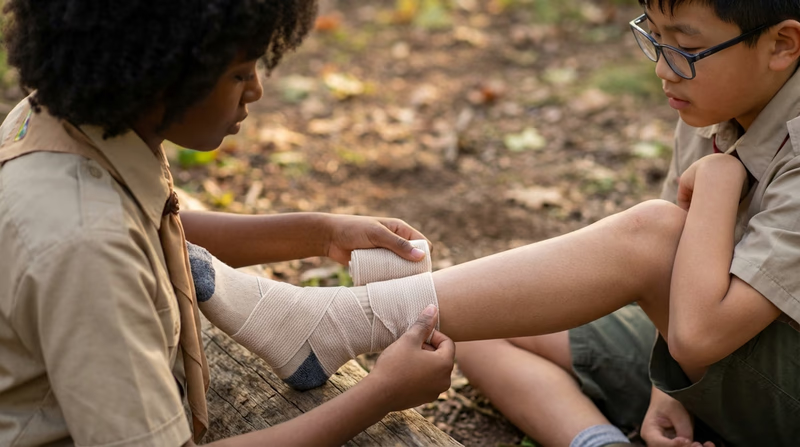
- Compression: Wrap the ankle firmly with an elastic bandage.
- Elevation: Keep the ankle raised above the level of the heart.
Blisters
Blisters are fluid-filled pockets caused by friction between your skin, your socks, and your boots.
- Signs and Symptoms: A “hot spot” (a red, tender area) followed by a bubble of fluid.
- First Aid: Treat “hot spots” immediately by applying moleskin or athletic tape to stop the friction. If a blister has already formed, do not pop it. Cover it with a donut-shaped piece of moleskin (the hole goes over the blister) to protect it.
Bites & Stings
You aren’t the only one using the trail! Insects and animals live there, and sometimes encounters can lead to injuries.
Insect Stings
Bees, wasps, and hornets are common on many trails.
- Signs and Symptoms: Immediate pain, redness, and swelling at the site. Watch closely for signs of a severe allergic reaction (hives, difficulty breathing, or swelling of the face).
- First Aid: If a stinger is left behind, scrape it away with the edge of a credit card or a dull knife—don’t use tweezers, as this can squeeze more venom into the skin. Wash the area and apply ice to reduce swelling.
Tick Bites
Ticks are small parasites that latch onto your skin to feed on blood. They can carry diseases like Lyme Disease.
- Signs and Symptoms: You will usually see the tick itself attached to the skin. There may be a small red bump after it is removed.
- First Aid: Use fine-tipped tweezers to grasp the tick as close to the skin as possible. Pull upward with steady, even pressure. Do not jerk or twist. Wash the area with soap and water.
Snakebite
Most snakes are harmless, but some are venomous. In North America, you should watch for rattlesnakes, copperheads, and water moccasins.
- Signs and Symptoms: Puncture marks, intense pain, swelling, and skin discoloration.
- First Aid: Keep the victim calm and still. This slows the spread of venom. Wash the bite area and keep the injured limb at or slightly below the level of the heart. Do not apply a tourniquet, do not use ice, and do not try to suck out the venom. Seek medical help immediately.
Summary
By knowing these 13 conditions and their treatments, you are much better prepared for whatever the trail throws at you. Remember to check your first-aid kit before every hike to make sure your supplies haven’t expired and that you have everything you need to treat these injuries.