Req 2a — Hiking Practices
Hiking is one of the best ways to explore the great outdoors, but it isn’t just “walking in the woods.” To have a successful trek, you need to master the art of being a prepared, responsible, and safe hiker. Whether you are heading out for a two-mile stroll or a twenty-mile expedition, the way you treat the trail, the people you meet, and—most importantly—your own feet will determine how much fun you have.
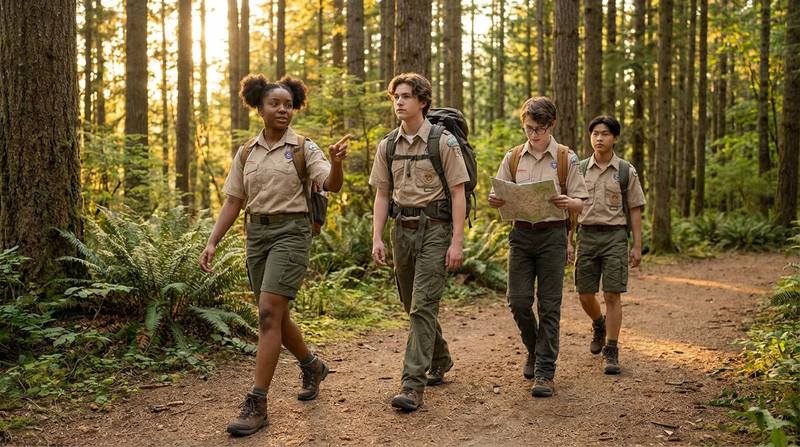
The Foundation: Outdoor Ethics
Before you even lace up your boots, you need to understand the “rules of the road” for the wilderness. Outdoor ethics are essentially the moral compass of a hiker. They help us ensure that the beautiful places we visit stay beautiful for the next person.
The two main pillars of outdoor ethics are the Outdoor Code and the Leave No Trace (LNT) principles. While we will dive deep into these in Requirement 2b and Requirement 2c, the core idea is simple: be a guest in nature. You wouldn’t go to a friend’s house and leave trash on their floor or carve your name into their dining table; you shouldn’t do it in the forest either.
Good ethics also mean respecting wildlife. Observe animals from a distance and never feed them. Human food can make wild animals sick and teach them to associate humans with food, which often leads to dangerous encounters.
Hiking Safety: Daytime Practices
Most of your hiking will happen during the day, but daylight doesn’t mean you can ignore safety. Daytime safety starts with Trail Awareness. Always keep your eyes on the trail a few steps ahead of you. It is easy to get distracted by a cool bird or a beautiful view, but a hidden root or a loose rock can end your hike with a sprained ankle in a second.
Pacing is another critical skill. New hikers often make the mistake of starting too fast, only to burn out halfway through the climb. Use the “Talking Test”—if you are so out of breath that you can’t carry on a conversation, you are moving too fast. Slow, steady progress will get you to the summit much more reliably than sprinting and stopping every five minutes.
Finally, always hike as a group. In Scouting, we use the buddy system for a reason. Assign a “Lead” hiker to set the pace and a “Sweep” hiker at the back to make sure no one falls behind. The group should always move at the pace of its slowest member.
Hiking Safety: Moving in the Dark
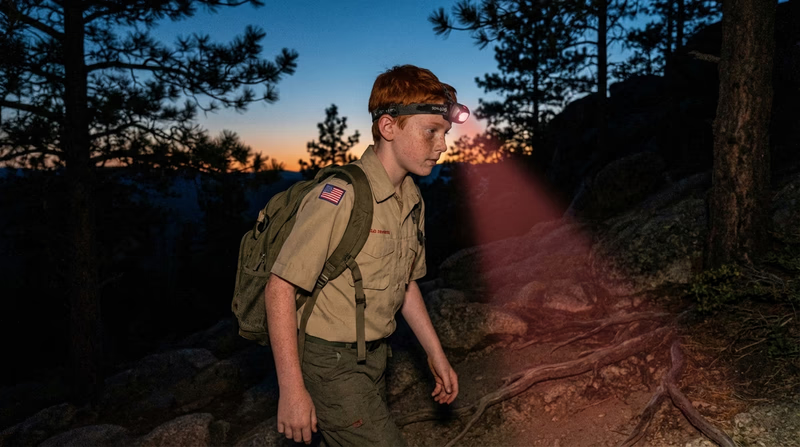
Night hiking can be an incredible experience—the forest sounds different, the stars are brighter, and the air is cooler. However, it requires extra caution.
- Lighting: You must have a reliable light source. A headlamp is almost always better than a flashlight because it keeps your hands free for balance. Always carry spare batteries or a backup light source.
- Night Vision: If you are hiking by moonlight, try using a red light setting on your headlamp. Red light helps preserve your natural night vision, allowing you to see the shapes of the landscape better than a bright white beam would.
- Stay on the Trail: It is much easier to lose the trail at night. If the path becomes faint, stop immediately and verify your location. Look for reflective trail markers if they are present.
- Slow Down: Depth perception changes in the dark. Step carefully over logs and rocks, as shadows can make objects look deeper or taller than they actually are.
Trail Courtesy: Sharing the Path
You are rarely alone on the trail. Being a courteous hiker makes the experience better for everyone.
- Uphill Right-of-Way: Hikers going uphill have the right-of-way. It takes a lot of energy to get a heavy pack moving again after stopping on a steep incline, so if you are heading downhill, step aside and let the uphill climber pass.
- Yielding to Horses: If you encounter horses or pack animals, step off the trail on the downhill side. Horses can be easily spooked; by staying on the downhill side, you appear smaller and less threatening to them. Talk quietly to the rider so the horse recognizes you as a human.
- Bikes vs. Hikers: While mountain bikers are technically supposed to yield to hikers, it is often easier for a hiker to step aside for a fast-moving bike. Use your best judgment and communicate clearly.
- The “Sound of Silence”: Avoid loud music or shouting. Most people go to the woods to hear nature. If you must listen to music, use earbuds.
Choosing Your Footwear
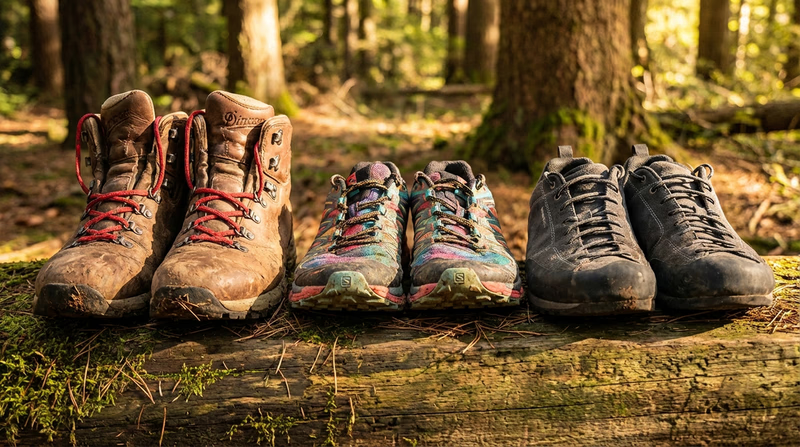
Your feet are your most important piece of equipment. Choosing the right footwear depends on where you are going and what you are carrying.
- Hiking Boots: These offer the most ankle support and protection. They are best for rugged, rocky terrain or when you are carrying a heavy backpack.
- Trail Runners: These are essentially reinforced sneakers with “knobby” soles for traction. Many modern hikers prefer them because they are lightweight and dry quickly, though they offer less ankle support.
- Approach Shoes: These are a hybrid between a hiking shoe and a climbing shoe. They have sticky rubber soles, making them great for trails that involve a lot of rock scrambling.
When buying shoes, look for Fit above all else. Your toes should have room to wiggle, but your heel should not slide up and down when you walk. A sliding heel is a guaranteed recipe for blisters.
Foot Care and Maintenance
Even the best boots won’t help if you don’t take care of your feet. Foot care is a proactive job—you have to do it before it hurts.
Blister Prevention: Blisters are caused by three things: Heat, Moisture, and Friction.
- Socks: Never wear 100% cotton socks. Cotton absorbs sweat and stays wet, which softens your skin and leads to blisters. Use wool or synthetic blends.
- Breaking In: Never wear brand-new boots on a long hike. Wear them around your house and on short walks first to let the material soften and mold to your feet.
- Hot Spots: If you feel a burning sensation or a “hot spot” on your foot, STOP IMMEDIATELY. Do not wait. Apply moleskin, athletic tape, or a specialized blister bandage right away.
Hygiene: At the end of a long day, take your boots and socks off. Let your feet breathe and dry out. If you are on a multi-day trek, wash your feet (away from water sources!) and put on a fresh, dry pair of socks for sleeping. Keep your toenails trimmed short and straight across to prevent them from hitting the front of your boot on downhill sections.
REI: How to Prevent and Treat Blisters A comprehensive guide on keeping your feet healthy on the trail, including taping techniques and sock selection. American Hiking Society — Hiking 101 A beginner's guide to hiking basics from America's leading hiking advocacy organization.By mastering these practices, you aren’t just checking off a requirement—you are becoming a more competent outdoorsman. When you take care of the trail and your gear, you set yourself up for a lifetime of adventure.