Req 2c — Outdoor Code
When you step onto a trail, you aren’t just a visitor; you are a guest in a massive, living home shared by thousands of species of plants and animals. Being a Scout means taking on the responsibility of stewardship—the idea that we must protect and care for the land so that others can enjoy it long after we are gone.
While the Leave No Trace principles you studied in Requirement 2b give us a detailed “how-to” manual for the trail, the Outdoor Code is our pledge of citizenship. It is a short, powerful promise that summarizes the heart of outdoor ethics.
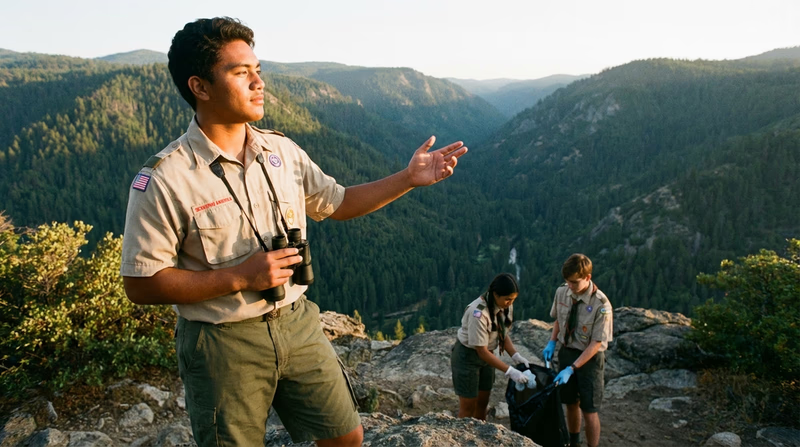
The Outdoor Code
“As an American, I will do my best to — Be clean in my outdoor manners, Be careful with fire, Be considerate in the outdoors, and Be conservation-minded.”
For this requirement, you need to be able to say these words and, more importantly, explain exactly what they look like when you are wearing a pack and walking a trail. Let’s break down the four pledges of the Code with specific examples for your upcoming hikes.
1. Be Clean in My Outdoor Manners
Being “clean in your outdoor manners” means more than just not littering. It means having a high standard for how you treat the environment. On a hike, your “manners” are reflected in the condition of the trail after you pass by.
- Pack It In, Pack It Out: If you brought it with you, it must go home with you. This includes small items like granola bar wrappers, twist ties, and even “organic” litter like orange peels or apple cores. While these might eventually decompose, they take a long time to do so and can be harmful to local wildlife that isn’t used to eating them.
- Micro-trash Patrol: A great way to show clean manners is to pick up “micro-trash”—those tiny bits of plastic or paper that others might have missed.
- Campsite and Rest Stop Hygiene: When you stop for lunch or a break, check the area before you leave. Make sure no crumbs are left behind, as these can attract animals to high-traffic human areas.
2. Be Careful with Fire
Fire safety is one of the most critical responsibilities of any outdoorsperson. While many day hikes don’t involve building a fire, being careful with fire applies to every moment you spend outside.
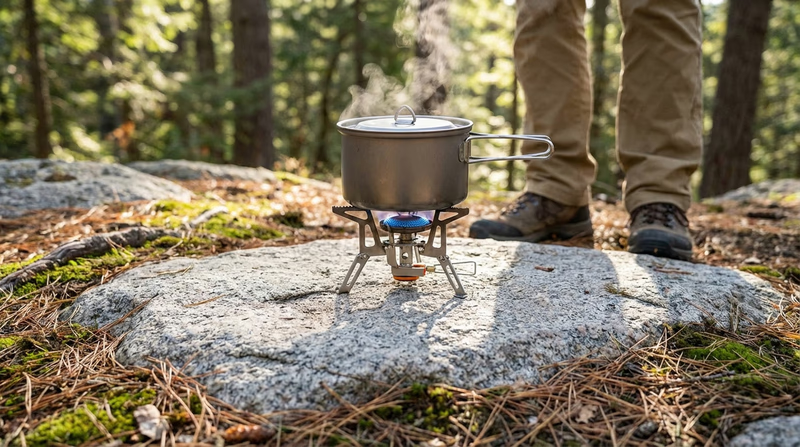
- Prefer the Stove: For most hiking trips, a small backpacking stove is a much better choice than a wood fire. Stoves are faster, leave no scar on the ground, and are far less likely to start a wildfire.
- Know the Regulations: Before you head out, check the local fire risk. During dry seasons, many parks and forests have total fire bans. Being careful with fire means respecting these rules, even if you really wanted a campfire.
- The “Cold Out” Rule: If you do use an established fire ring, never leave it unattended. Before you head back down the trail, the ashes should be “cold to the touch.” This means dousing the fire with water, stirring the ashes, and dousing it again until you can safely put your hand in the pit.
3. Be Considerate in the Outdoors
This pledge is about your relationship with other people and the wildlife. The trail is a shared space, and your actions affect everyone else’s experience.
- Yielding the Trail: One of the best examples of consideration is trail etiquette. Generally, hikers going uphill have the right of way because they are working harder and have a narrower field of vision. Step aside and give them room to keep their rhythm. Also, always yield to horses or pack animals—they can be easily spooked by hikers.
- Voices and Electronics: People go to the woods to hear the wind in the trees and the sound of birds. Keep your voice at a conversational level. If you want to listen to music, use headphones so you don’t disturb the peace for others.
- Respect Wildlife: You are in their home. Observe animals from a distance and never feed them. Feeding wildlife changes their natural behavior and can make them dangerous to humans or unable to survive on their own.
4. Be Conservation-Minded
Being “conservation-minded” means thinking about the future. It’s about taking actions today that ensure the trail is still there for the next generation of Scouts.
- Stay on the Trail: It might be tempting to take a shortcut through a switchback, but doing so creates “social trails” that lead to massive soil erosion. Staying on the hardened path protects the root systems of trees and prevents the trail from washing away during rainstorms.
- Protect Water Sources: When you need to wash your hands or dishes, do it at least 200 feet away from any stream or lake. Even “biodegradable” soap can harm fish and insects if it goes directly into the water.
- Leave What You Find: Conservation means leaving rocks, plants, and historical artifacts where they are. Taking a “cool rock” might seem small, but if every hiker did it, the landscape would be stripped bare.
The Code and Leave No Trace: A Perfect Pair
You might notice that many of these examples sound like the Leave No Trace principles. That’s because they work together! The Outdoor Code is your internal compass—the set of values you carry in your heart. Leave No Trace provides the specific techniques to live out those values. When you recite the Code, you are promising to be the kind of person who respects nature so much that you’ll take the extra effort to follow the LNT principles every single time.
By following the Outdoor Code, you become a leader on the trail. Your example might inspire other hikers to pick up their trash or stay on the path, helping to keep our wild places wild.