Req 3 — Aerobic Activity
Hiking: The Ultimate Aerobic Adventure
When you think about getting in shape, you might imagine running laps around a track or swimming in a pool. But one of the most effective and enjoyable ways to boost your fitness is right under your feet: the hiking trail. Hiking isn’t just a way to see beautiful views or reach a summit; it is a powerful workout that challenges your body in unique ways.
Requirement 3 focuses on the science of hiking fitness and the importance of preparation. Before you set out to conquer your 10-mile and 20-mile hikes, you need to understand how your body handles the effort and how you can train it to go the distance.

What is Aerobic Activity?
The word “aerobic” literally means “with oxygen.” When you engage in aerobic exercise, your body uses a steady stream of oxygen to help turn the fuel you eat into the energy your muscles need to keep moving.
Imagine your body is like a high-performance engine. To keep that engine running for a long time, it needs a constant supply of both fuel and air. If you were to run a 50-yard sprint, you would be using “anaerobic” energy—a quick burst of power that doesn’t rely on immediate oxygen. You can’t sprint for 10 miles! But when you hike, you are relying on your aerobic system. It’s a slow-and-steady burn that allows you to keep moving for hours on end.
Why Hiking Qualifies as Aerobic
Hiking is a premier aerobic activity for several reasons:
- Sustained Effort: Aerobic exercise involves the rhythmic movement of large muscle groups—like your quads, hamstrings, and calves—over an extended period. A hike typically lasts several hours, forcing your body to settle into a sustainable rhythm.
- Elevated Heart Rate: As you walk, especially when you are carrying a backpack or climbing a steady incline, your heart has to work harder. Its job is to pump oxygen-rich blood from your lungs to your legs so they can keep pushing forward.
- Increased Respiration: You might find yourself breathing more deeply or more frequently on the trail. This is your respiratory system working to take in more oxygen to keep up with the demands of your “engine.”
By regularly participating in aerobic activities like hiking, you are actually training your heart and lungs to be more efficient. Over time, your resting heart rate may go down, and you’ll find that hills that once left you breathless are now much easier to climb.
Why Conditioning Matters
You wouldn’t show up to a championship soccer game or a track meet without practicing first. The same principle applies to hiking. A 10-mile hike is a significant physical undertaking, and a 20-mile hike is even more demanding.
Conditioning is the process of gradually getting your body used to the stress of the trail. If you jump straight into a 10-mile hike without any training, you are likely to experience extreme muscle soreness, painful blisters, or even injuries like strained tendons. Proper conditioning allows your muscles to get stronger, your joints to become more flexible, and your endurance to grow bit by bit.
Building Your Conditioning Plan
Requirement 3 asks you to develop your own plan. This is a personal schedule that you create based on your current fitness level and your goals. A good plan isn’t about doing as much as possible right away; it’s about making steady, safe progress. Here is a framework you can use to build a plan that works for you.
1. Establish Your Baseline
Where are you starting? If you haven’t done much hiking lately, your “Week 1” might involve 30-minute walks around your neighborhood. If you are already active in sports, you might start with a 3-mile hike on a local trail.
2. The 10% Rule
A common mistake is trying to double your distance from one week to the next. Instead, try to increase your total weekly mileage (or your longest hike) by about 10% each week. This “progressive overload” is the safest way to build endurance without getting hurt.
3. Frequency and Consistency
It is better to walk for 30 minutes three times a week than to do nothing all week and try to hike 10 miles on Saturday. Consistency tells your body that it needs to stay ready for activity. Aim for 3-4 days of activity every week.
4. Train with Your Gear
Don’t wait until the day of your 10-mile hike to wear your hiking boots and carry your pack!
- Break in your boots: Wear them on your neighborhood walks to prevent blisters later.
- Add weight gradually: Start with a light daypack, then slowly add your “Ten Essentials,” and eventually add extra weight (like water bottles) to simulate a full load.
5. Mix it Up with Cross-Training
You don’t have to hike every single day to get better at hiking. Other aerobic activities help build your base:
- Cycling: Strengthens your legs and builds endurance with very little impact on your knees.
- Swimming: An excellent full-body workout that challenges your heart and lungs.
- Jogging: Great for building cardiovascular strength quickly.
Sample Weekly Framework
This is just an example. Your actual plan should be written down in your notebook or on a calendar, customized for your life!
- Monday: Rest Day (let your muscles recover!).
- Tuesday: 30-minute brisk walk (wear your hiking boots!).
- Wednesday: 30-45 minutes of cross-training (bike ride or sports practice).
- Thursday: 30-minute walk with your daypack.
- Friday: Rest Day and stretching.
- Saturday: Training Hike day! Start with a distance that is challenging but doable, like 3 or 4 miles.
- Sunday: Light 15-minute recovery walk.
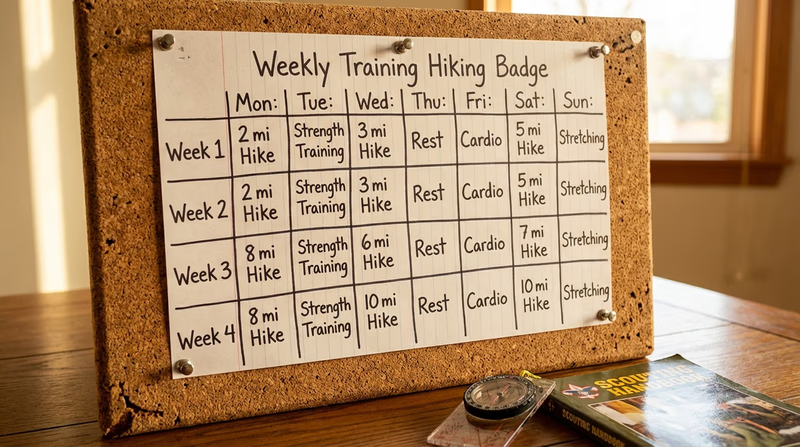
Increasing Fitness for Longer Hikes
Once you have mastered the 10-mile hike, you will need to step up your conditioning for the 15-mile and 20-mile treks. To increase your fitness further, you should focus on three main areas:
- Increased Mileage: Continue using the 10% rule to push your long Saturday hikes further.
- Increased Elevation: Seek out trails with more hills. Climbing builds the power in your glutes and calves that you will need for long days in the mountains.
- Back-to-Back Training: Occasionally, try doing a medium hike on Saturday and a short hike on Sunday. This teaches your body how to recover quickly and perform even when it’s already a little tired.
Nutrition and Hydration for Hikers
Your body is an engine, and an engine needs high-quality fuel. On a long hike, you are burning energy constantly, and you need to replace it.
- Pre-Hike Fueling: Eat a solid breakfast with complex carbohydrates (like oatmeal, whole-grain cereal, or a banana) about an hour or two before you start.
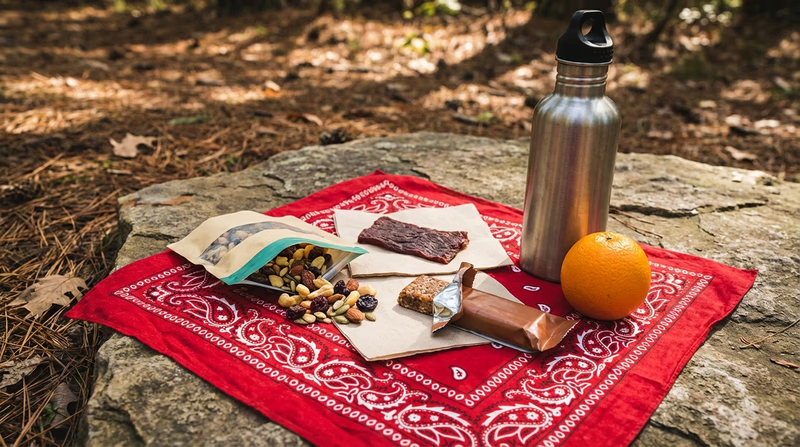
- On-Trail Snacking: Don’t wait until you’re starving to eat. Have small snacks every hour. A mix of nuts, dried fruit, and energy bars provides a good balance of quick energy and long-term fuel.
- Consistent Hydration: Take small sips of water throughout the day. If it’s hot or you’re working hard, you’ll lose a lot of water through sweat. For very long hikes, consider an electrolyte drink to replace the salts your body loses.
From Planning to Action
Developing a conditioning plan is the first step toward a successful hiking season. By understanding how your aerobic system works and giving your body the time it needs to adapt, you are setting yourself up for an incredible experience on the trail. Instead of struggling through the miles, you’ll have the energy to enjoy the scenery and the company of your fellow Scouts.
Now that you have a strategy for your physical fitness, it’s time to start planning the actual journeys you’ll take.