Req 5 — Hike Reports
Why Write a Hike Report?
You have just finished five incredible hikes. You’ve climbed ridges, navigated through dense forests, and perhaps even trekked through a bit of mud or rain. But as time goes on, the specific details of those days can start to blur together. Which hike was the one where you saw the hawk? Which trail had that tricky stream crossing?
Writing a hike report is your way of “freezing” those moments in time. It isn’t just a piece of homework to hand to your counselor; it is a personal journal of your growth as a Scout and an outdoorsman. When you look back at these reports in a few years, you won’t just see a list of miles—you’ll see the story of how you became a stronger, more confident hiker. These reports help you reflect on your experiences, track your physical progress, and celebrate the small victories you achieved on the trail.
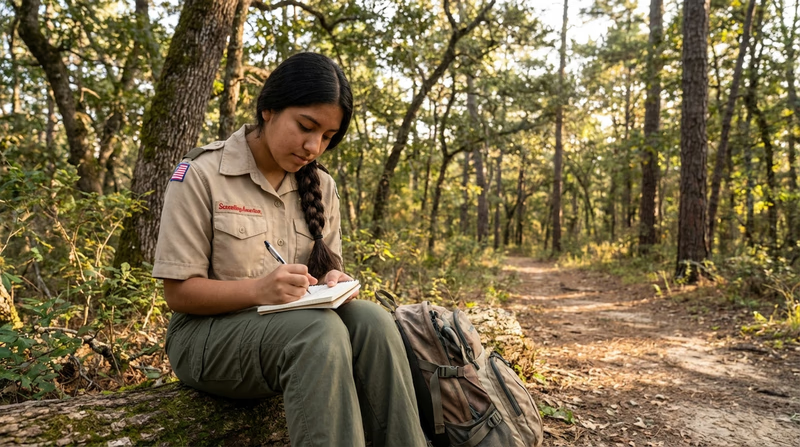
What to Include in Your Reports
Requirement 5 asks for specific details for each of your five hikes from Requirement 4. To make sure your reports are complete, walk through these five essential elements for every entry:
1. The Date and the Route
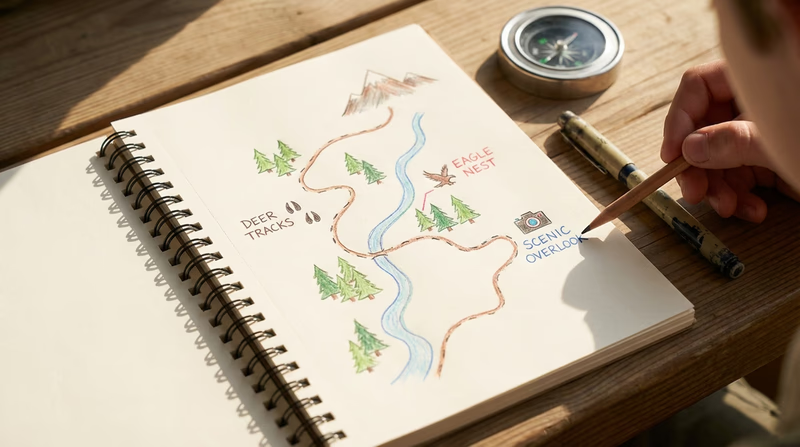
Start with the basics. When did you go? Was it a crisp autumn morning or a humid summer afternoon? For the route, you can write a description (e.g., “Started at the North Trailhead, took the Blue Loop to the summit, and returned via the Creek Path”) or you can attach a map. If you used a GPS app or a paper map, including a copy with your route highlighted is a fantastic way to document your path.
2. Weather Conditions
Weather plays a huge role in how a hike feels. Was it sunny and clear, providing views for miles? Or was it foggy and mysterious? Be sure to note if the weather changed during the hike. Maybe it started out warm but a sudden breeze made you glad you packed that extra layer. This helps you remember why certain gear choices were important.
3. Interesting Sights
This is the “color” of your report. Think about the wildlife you encountered, the types of trees or wildflowers you identified, or a particularly beautiful vista. Did you see any historic landmarks, interesting rock formations, or unique trail signs? These details make each hike stand out from the others.
4. Challenges and Solutions
Every hike has its hurdles. Maybe your boots started to rub, you ran out of water sooner than expected, or the trail was much steeper than the map suggested. The most important part of this section isn’t the challenge itself, but how you handled it. Did you stop to apply moleskin? Did you adjust your pace? Reflecting on how you overcame difficulties is how you build “trail smarts” for future adventures.
5. Personal Reflections
This is often the most rewarding part of the report. Ask yourself: What did I learn today? You might have learned that you’re better at navigating with a compass than you thought. You might have noticed how your patrol worked together to keep everyone’s spirits up during a long climb. Or maybe you simply realized how much you enjoy the quiet of the woods.
Tips for Writing a Great Report
The secret to a great hike report is capturing the details while they are still fresh. If you wait a week to write your report, you might forget the name of that cool bird you saw or exactly how you felt when you reached the halfway point.
Lewis and Clark Journals — National Archives Explore the real journals of Lewis and Clark to see how great explorers documented their adventures — the same tradition your hike reports continue.Try to write your final report within 24 to 48 hours of returning home. Your muscles might be a little sore, but your memory will be sharp!
Finding Your Reporting Style
There is no single “right” way to format your report. Some Scouts prefer to write a narrative story, like a chapter in a book. Others prefer a structured approach using bullet points for each requirement. You could even create a “scrapbook” style report by combining your writing with photos you took or sketches of things you saw.
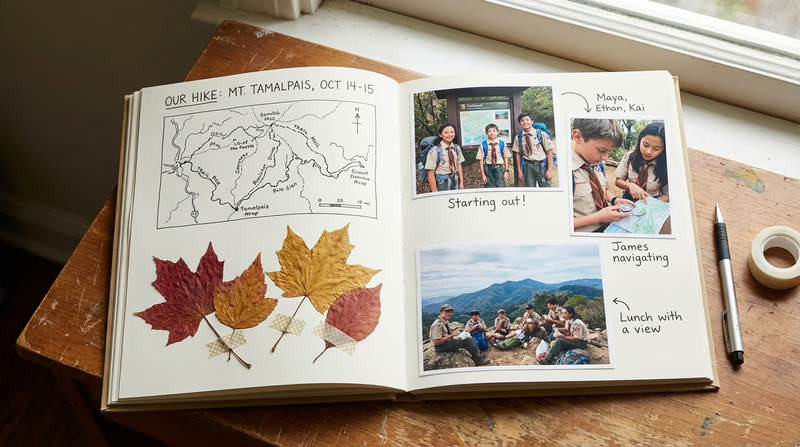
As long as you cover the required information—the date, route, weather, sights, challenges, and reflections—you can let your personality shine through. Remember, you need to produce a report for each of the hikes you completed. If you did a continuous trek, you can write your reports as daily entries in a trek journal.
Once you have completed all five reports, prepare to share them with your merit badge counselor. They will love seeing the trail through your eyes!
Hike Report Form Print this form to document each hike. Includes sections for route, weather, sights, challenges, and personal reflections.