Req 1 — Safety Basics
This requirement covers the two habits that matter before any repair begins: spotting hazards and practicing safe routines. First you will learn what can go wrong around tools, ladders, glass, dust, electricity, and sharp edges. Then you will build a safety mindset you can carry into every project in the rest of this badge.
- Requirement 1a focuses on likely hazards, protective clothing, and safety gear.
- Requirement 1b focuses on everyday safe practices that prevent injuries before they happen.
Requirement 1a: Hazards, Safety Gear, and Clothing
A home repair project can feel harmless right up until something slips, shatters, sparks, or falls. Most injuries do not happen because a person meant to be careless. They happen because someone rushed, guessed, or forgot that a house is full of edges, loads, power, chemicals, and moving parts.
Common Hazards You May Encounter
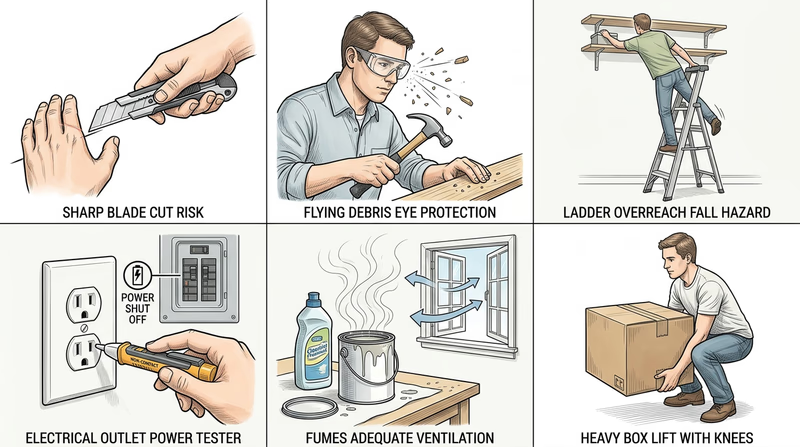
Cuts and punctures happen when you work with utility knives, broken glass, sheet metal, nails, staples, or splintered wood. You prevent them by keeping blades sharp, cutting away from your body, wearing gloves when appropriate, and cleaning up debris immediately.
Eye injuries can happen when paint chips, rust, concrete dust, sawdust, or bits of wire fly upward. Safety glasses matter even on small jobs because one fast-moving chip can cause a serious injury in an instant.
Falls are one of the biggest home repair dangers. A shaky ladder, wet step, cluttered floor, or overreaching from a stool can turn a quick task into an emergency. Stable footing, three points of contact on ladders, and keeping both feet planted prevent many accidents.
Electrical shock is especially dangerous because you may not always see the risk. Outlets, switches, lamp cords, and breaker panels all carry current. Before doing any electrical repair, turn off the correct circuit, test that power is actually off, and never work around standing water.
Dust, fumes, and chemicals can irritate your lungs, skin, and eyes. Paint, solvents, adhesives, cleaners, and even drywall dust need ventilation and careful handling. Open windows when possible, read labels before use, and never mix cleaning chemicals.
Strains and crush injuries happen when lifting heavy items, moving furniture, or trying to force a part into place. Bend your knees, lift with your legs, and ask for help before a load becomes awkward or unsafe.
Hazard Scan Before You Start
Ask these questions before touching a tool
- What can cut, pinch, shock, burn, or fall? Look for sharp edges, live circuits, hot surfaces, loose ladders, and unstable objects.
- What should be moved first? Remove rugs, cords, toys, clutter, and anything that could trip you.
- What protective gear do I need? Match your safety glasses, gloves, hearing protection, or mask to the specific job.
- What is my shutoff plan? Know where the breaker, water shutoff, or tool power switch is before work begins.
- Who is supervising? Make sure your parent, guardian, or counselor knows the task and can step in if needed.
Anticipate, Prevent, and Respond
To anticipate hazards, slow down and inspect the area before you start. Look at the floor, the walls, the ladder feet, the cords, and the path you will walk while carrying tools or materials.
To mitigate and prevent hazards, set up the job correctly. That may mean clamping a workpiece, shutting off water, placing a drop cloth, opening a window, or moving pets and younger children out of the work area.
To respond well when something goes wrong, stop the work first. Turn off the tool, step back from the hazard, and tell the supervising adult what happened. A cut may need cleaning and pressure. A broken outlet cover may mean the breaker stays off until the repair is finished. A tipped ladder means the project pauses until the setup is made safe again.
The video above is useful because it shows how normal tools can become dangerous when they are misused. As you watch, pay attention to the pattern behind many accidents: poor setup, distraction, or trying to save a few seconds.
Appropriate Safety Gear and Clothing
Good safety gear does not make you invincible, but it gives you a margin of protection when something unexpected happens.
- Safety glasses or goggles protect your eyes from dust, chips, and splashes.
- Work gloves protect your hands when handling rough lumber, screen frame, broken materials, or garden tools. Do not use loose gloves around tools where fabric could catch.
- Closed-toe shoes protect your feet from dropped tools, broken glass, and sharp debris.
- Long pants and fitted sleeves protect skin, but clothing should never be baggy enough to catch on tools or hardware.
- Hearing protection is smart when working around loud power tools.
- Dust mask or respirator may be appropriate for sanding, drywall dust, or strong fumes, depending on the material and label instructions.
Ladder safety deserves special attention because ladders show up in many home repair tasks. Notice how proper angle, level footing, and not overreaching matter more than speed.
Requirement 1b: General Precautions and Safe Practices
Safe repairers build habits, not just knowledge. You do not want to make one good decision by luck. You want a repeatable routine that protects you on a paint job, a plumbing fix, a workshop project, or a simple hinge adjustment.
Ten Safe Practices Every Home Repairer Should Use
- Read the whole task before starting. Know the steps, tools, and materials before you begin.
- Use the right tool for the job. A screwdriver is not a chisel, and a butter knife is not a scraper.
- Inspect tools before use. Check cords, handles, blades, and moving parts for damage.
- Keep the work area clean. Clutter causes trips, spills, and lost parts.
- Wear the right protective gear. Match your clothing and safety equipment to the specific hazard.
- Shut off power or water before repairing those systems. Never trust a switch alone when a full shutoff is available.
- Work in good light and ventilation. You need to see clearly and avoid breathing harmful fumes or dust.
- Store tools safely when not in use. Put blades away, unplug tools, and keep sharp or heavy items where they cannot fall.
- Do not rush. Most sloppy cuts, cross-threaded fittings, and crooked installations happen when someone is hurrying.
- Ask for help when the job exceeds your skill level. Good judgment is part of safety.
This short video moves quickly, but it reinforces an important truth: safe repair habits are simple and repeatable. Your counselor will be looking for whether you understand the pattern behind them, not whether you memorized a list without context.
What General Precautions Really Mean
General precautions are the broad rules that apply on almost every project, even when the exact repair changes. They include supervision, planning, neat setup, careful cleanup, and stopping when conditions change.
For example, if a repair starts as a simple curtain-rod install but you discover brittle plaster, hidden wiring, or weak anchors, the safe move is not to keep forcing the issue. The safe move is to pause, rethink the method, and get guidance.
Building a Safety Routine You Can Explain
When you talk with your counselor, do more than recite safe practices. Explain how you would use them in real life. You might say:
- “Before weatherstripping a door, I would clear the floor, gather tools, and make sure the door cannot swing into me.”
- “Before replacing a lamp cord, I would unplug the lamp and keep the new cord beside me so I can compare parts.”
- “Before painting, I would protect the floor, open ventilation, and keep the room free of tripping hazards.”
That kind of answer shows that you understand safety as a working habit. It will also help you succeed in every repair option that follows in this guide.
You have the safety mindset in place. Next, you will choose three supervised outdoor repair options and decide which ones best fit your tools, time, and skill level.