Req 1 — Horse and Barn Safety
This requirement covers two safety areas that every rider learns first: how to handle a horse without getting stepped on, kicked, pinned, or dragged, and how to reduce fire danger in a barn where animals may panic and escape routes can disappear fast.
- Requirement 1a: Safe handling and daily care around a horse
- Requirement 1b: Fire prevention and emergency thinking in and around a barn
A horse does not have to be mean to hurt someone. One startled step sideways, one swing of the hindquarters, or one rushed movement in a tight aisle can cause an injury in seconds. Good horsemanship starts with noticing space, pressure, sound, and the horse’s body language before trouble begins.
Requirement 1a
A horse can weigh 900 to 1,200 pounds, yet it reacts like a prey animal. That means it may jump away first and understand later. Your job is to make your movements predictable so the horse does not feel trapped or surprised.
Approach Like the Horse Can See You
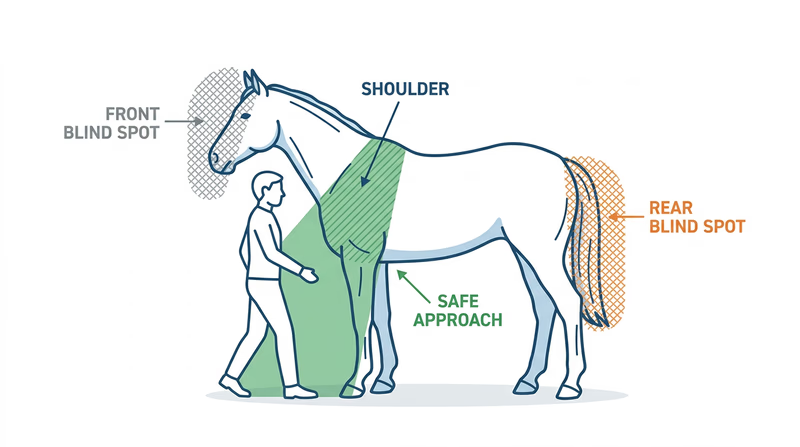
Most horses are safest when you approach at the shoulder, speaking calmly so they know where you are. Avoid walking straight up from behind or darting under the neck. A horse has blind spots directly in front of its forehead and directly behind its tail, so sudden movement there can trigger a fast defensive reaction.
Dress and Work for Safety
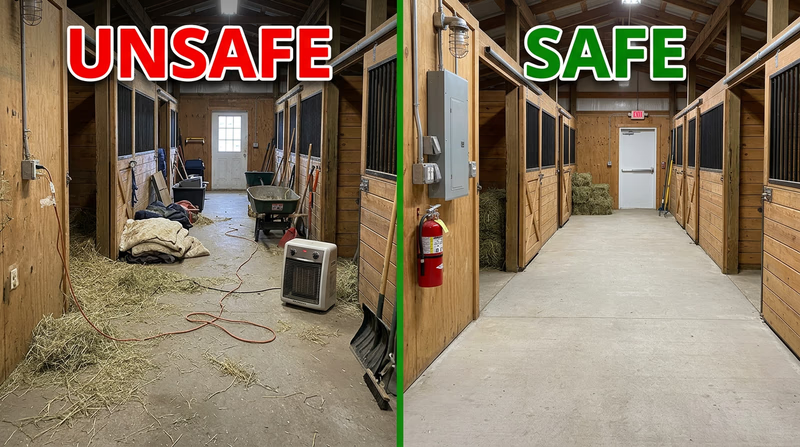
Wear closed-toe boots with a hard sole and a heel so your foot is less likely to slide through a stirrup. Tie back long hair, avoid loose strings that can catch on tack, and keep tools, brushes, and lead ropes picked up instead of scattered across the aisle.
Handle With Calm, Clear Pressure
Lead the horse from the left side unless your instructor teaches otherwise. Stay near the shoulder, not dragged behind and not directly in front. Keep one hand on the lead rope and one hand free if needed. When grooming or working around the hindquarters, keep a hand on the horse as you move so it knows where you are.
Watch the Horse’s Signals
A horse usually gives clues before it reacts. Pinned ears, a swishing tail, a tense neck, stomping, rolling eyes, raising the head, or shifting weight quickly can all mean discomfort, fear, or irritation. If you notice those signs, slow down, give the horse room, and ask an experienced adult for help if you are unsure what changed.
Build Safe Barn Habits
Barn safety is not only about the horse in front of you. It is also about how the whole space works. Close gates behind you. Latch stall doors. Do not run, shout, or roughhouse around horses. Check that cross-ties, halters, and snaps are in good condition. Keep feed rooms closed so horses cannot get into grain, which can make them dangerously sick.
Daily Handling Habits
Simple habits that prevent many horse injuries
- Announce yourself: Speak before you touch or enter a stall.
- Give space: Stay out of kicking range when possible and never crowd a horse into a corner.
- Use safe gear: Wear boots, use a properly fitted halter, and check snaps and lead ropes.
- Stay organized: Keep aisles clear of buckets, tack, and loose equipment.
- Stay calm: Quick, angry, or noisy handling often makes the horse more reactive.
Requirement 1b
A barn fire is especially dangerous because hay, bedding, dust, wood, and old wiring can help flames spread fast. Horses may panic in smoke and become hard to catch or lead. Fire safety in a barn is mostly about prevention, because once a fire gets going, evacuation becomes difficult very quickly.
Reduce the Chance of Fire Starting
Good barn fire safety begins long before an emergency. Store hay so it stays dry and well ventilated. Wet hay can heat up as it cures and, in the worst cases, ignite. Keep electrical wiring updated and protected from chewing animals, moisture, and dust. Use light fixtures designed for barns, not exposed household bulbs where they can break.
Control Heat and Spark Sources
Do not smoke in or near the barn. Be careful with heaters, especially portable ones. Keep vehicles, tractors, and fuel away from loose hay and bedding. Sweep up dust and cobwebs, because fine dry material burns more easily than many people realize.
Plan for Fast Evacuation
Every barn should have clear exits, accessible halters and lead ropes, and a plan for where horses go if they must be moved outside. Fire extinguishers should be visible and checked regularly. People who work in the barn should know who calls 911, who opens gates, and where animals are taken.
Think Beyond the Barn Walls
Fire safety around horses also includes trailers, turnout areas, and access roads. Emergency vehicles need room to get in. Gates should open easily. Brush and dry weeds near buildings should be kept cut back, especially in hot, dry weather.
What Good Fire Prevention Looks Like
A safe horse facility usually has clean aisles, controlled storage, labeled extinguishers, working smoke or heat alarms where appropriate, and adults who take small hazards seriously. A frayed extension cord or a stack of damp hay bales may not look dramatic, but those details matter.
In the next requirement, you will learn the parts of a horse’s body. That matters for more than vocabulary. When you can name body parts accurately, you can give clearer instructions, notice injuries sooner, and understand how a horse moves.