Req 10 — Approach, Lead, and Tie
A horse’s first few seconds with you matter. If you approach carelessly in a stall, rush it through a gate, or tie it where it can panic and get trapped, you create risk before the ride even starts. Good ground handling should look calm, ordinary, and safe.
Approaching the Horse
Approach where the horse can see or hear you. Speak calmly before touching it, especially in a stall or when coming from outside the horse’s line of vision. Move toward the shoulder instead of directly at the hindquarters.
From a Stall
Open the door carefully and keep it under control. Do not trap yourself between the horse and the wall. Let the horse know you are there, halter it quietly, and turn it so you can leave the stall without crowding.
From a Corral or Field
Use calm body language. Do not chase the horse unless an experienced adult specifically directs a different method. In a group setting, move carefully so other horses do not crowd around you at the gate.
Leading Safely
Lead from the horse’s left side unless your stable uses another standard. Walk near the shoulder with a little space between you and the horse. You want the horse to follow your movement, not drag behind you or push past you.
Keep the lead rope in your hands in loose folds, never wrapped. Turn the horse away from you when changing direction in tight spaces. Pause before gates, doorways, and corners so the horse does not rush.
Good Leading Habits
The details that keep horse and handler organized
- Stay at the shoulder: Do not walk directly in front of the horse.
- Carry extra rope safely: Fold it, never wrap it.
- Look where you are going: Plan turns and openings before you reach them.
- Set the pace: The horse should match you, not crowd you.
- Use calm corrections: Sudden jerks usually create more tension.
Tying the Horse Securely
A tied horse should be attached to a safe, solid object at an appropriate height, usually around wither height or a little higher depending on local instruction. The rope should be short enough to prevent tangling but long enough for comfort.
Most barns teach a quick-release knot so the horse can be freed fast in an emergency. Cross-ties may also be used in some aisles, but only when the horse is trained and the setup is safe.
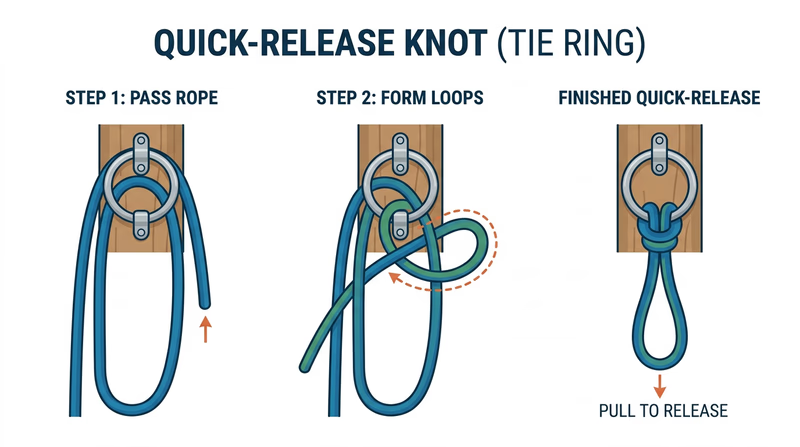
What Makes a Good Tie Spot
- Solid post, ring, or wall tie point
- Clear footing with no clutter underfoot
- Enough room around the horse, but not enough rope for it to step over
- An area supervised by adults when possible
Ground handling sets up everything that happens next. In the next requirement, you will take those calm basics into the saddle and practice walking, trotting, halting, backing, and dismounting in harmony with the horse.