Req 11 — Walk, Trot, Halt, and Dismount
This requirement covers seven riding skills that show whether you can stay balanced, communicate clearly, and keep the horse moving with steadiness instead of confusion.
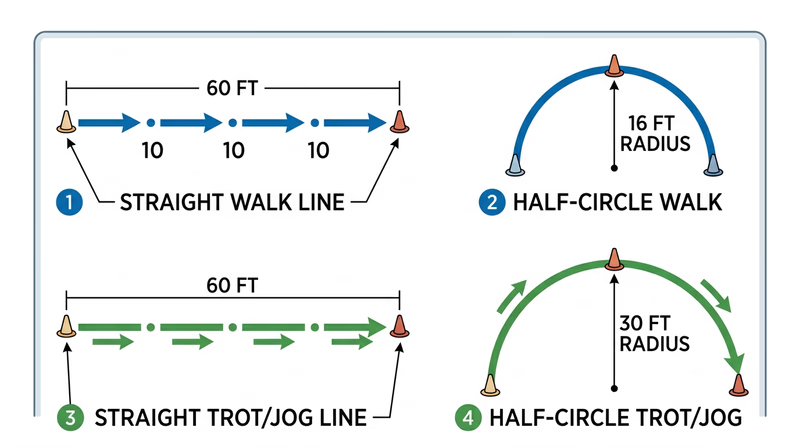
- 11a: Walk straight for 60 feet
- 11b: Walk a half-circle within 16 feet radius
- 11c: Trot or jog straight for 60 feet
- 11d: Trot or jog a half-circle within 30 feet radius
- 11e: Halt straight
- 11f: Back up straight four paces
- 11g: Halt and dismount
The goal is not flashy riding. The goal is quiet control. A rider in harmony with the horse looks balanced, calm, and predictable.
Requirement 11a
Straightness starts with your own body. Look ahead, keep even rein contact, sit centered, and use both legs evenly so the horse does not drift. The walk should feel relaxed, not rushed.
Requirement 11b
A circle asks the horse to bend through the body. Your inside leg helps keep energy and shape, while the outside aids help prevent the shoulder from drifting out. Think “curve,” not “sharp turn.”
Requirement 11c
At the trot or jog, straightness becomes harder because the gait has more energy. Keep your eyes up, hands quiet, and legs supportive. Try not to balance on the reins.
Requirement 11d
This movement combines bend and impulsion. You need enough forward energy to keep the trot, but enough organization that the horse does not fall in or drift out through the shoulder.
Requirement 11e
A good halt should feel balanced, not abrupt. Close your aids, steady your body, and ask the horse to stop without throwing its head or stepping crooked.
Requirement 11f
Backing should be calm and deliberate. The horse should step back in balance instead of raising its head or twisting. Straight backing shows the horse understands your aids and is staying attentive.
Requirement 11g
Finish as carefully as you started. Bring the horse to a quiet halt, prepare yourself, and dismount with control so the horse stays calm and balanced.
How to Ride in Harmony
The phrase “at ease, and in harmony with the horse” is the heart of the requirement. Harmony means your body is not fighting the horse. You are not bouncing hard, yanking on the reins, or giving mixed signals. Your seat, hands, legs, and eyes all support the same message.
What Harmony Looks Like
Signs that horse and rider are working together
- Balanced position: You stay centered instead of leaning or gripping wildly.
- Quiet hands: The reins guide instead of pulling constantly.
- Steady rhythm: The horse keeps an even pace.
- Soft transitions: Starts, turns, stops, and backing look organized.
- Calm attitude: Neither horse nor rider looks rushed or upset.
The riding part of the badge ends here, but horsemanship can keep growing in many directions. In the next requirement, you will choose between exploring horse-related careers or using horsemanship as part of a healthy lifestyle or hobby.