Req 12a — Careers Working With Horses
If you have ever watched someone calm a nervous horse, fix a shoe, diagnose an injury, teach a lesson, or manage a whole stable smoothly, you have already seen horse careers in action. This requirement asks you to look past the romantic image and learn what the job really takes.
Start With One Specific Career
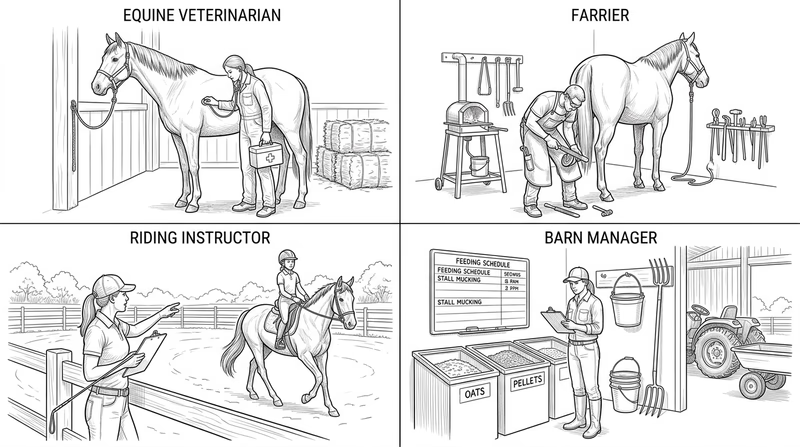
Horse careers cover a wide range of work. You might research an equine veterinarian, farrier, trainer, riding instructor, stable manager, equine massage therapist, breeder, mounted law enforcement officer, or horse-assisted therapy professional.
Choosing one career makes your research more useful. Then you can ask practical questions instead of collecting random facts.
What to Research
Your counselor wants more than a job title. They want to hear that you understand the path into the profession.
Career Research Questions
Build your discussion around these topics
- Training and education: Do you need a degree, certification, apprenticeship, or license?
- Costs: What do tuition, tools, travel, or certification fees look like?
- Job prospects: Is this field growing, competitive, seasonal, or location-dependent?
- Salary: What is the typical pay range, and what affects earnings?
- Job duties: What does a normal day actually involve?
- Advancement: How could someone grow in the field over time?
Ask What the Work Really Feels Like
A job around horses may sound exciting, but every career includes early mornings, physical effort, weather, paperwork, or difficult decisions. A veterinarian may spend years in school and still work emergency hours. A farrier needs physical strength and precise technical skill. A trainer may spend much of the day teaching people, not just riding horses.
That is not bad news. It is useful news. Real career research helps you decide whether the daily reality still sounds interesting to you.
Ways to Gather Information
You can combine several methods:
- Read information from professional organizations or colleges
- Interview someone who does the job
- Visit a clinic, stable, lesson barn, or farrier shop with permission
- Compare several salary or training sources to see the full picture
When you talk with your counselor, do not stop at facts. Explain what parts of the job attract you and what parts might be challenging. That personal reflection is what turns research into real career exploration.