Req 12b — Horsemanship as a Hobby or Lifestyle
Not every Scout who loves horses wants a horse career. Some want riding lessons, trail miles, volunteer work, or a healthy activity that builds confidence and responsibility for years. This option helps you think about how horsemanship could fit into your real life after the badge is done.
Horsemanship Can Be a Long-Term Lifestyle
Horse involvement can support physical fitness, patience, emotional control, and outdoor time. It can also become a social activity through clubs, riding programs, camps, and volunteer opportunities.
The key idea is sustainability. You are not just asking, “Would this be fun?” You are asking, “What would it take for me to keep doing this in a realistic way?”
What to Research
Even hobbies need planning. Riding can involve lesson costs, travel, equipment, and time.
Questions for Your Hobby Plan
Use these to build realistic short-term and long-term goals
- Training needed: Do you need beginner lessons, clinics, volunteer training, or horse camp?
- Expenses: What will lessons, boots, helmets, camp fees, or club memberships cost?
- Organizations: What local barns, 4-H clubs, pony clubs, or riding programs support this interest?
- Short-term goals: What could you do in the next few months?
- Long-term goals: What would you like your horse involvement to look like in a few years?
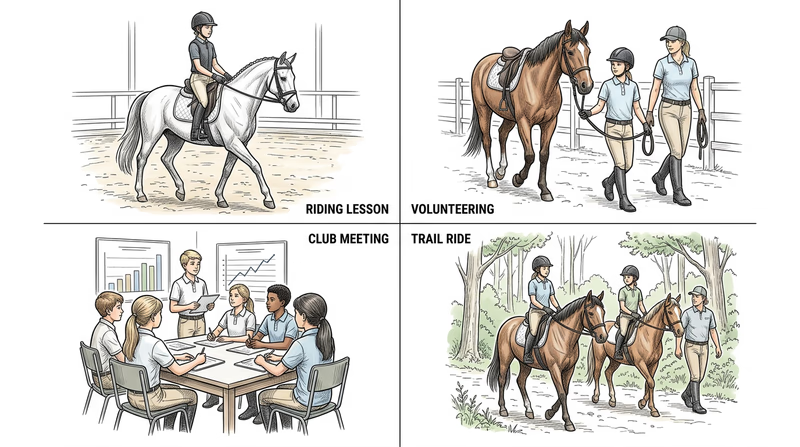
Examples of Horse-Related Lifestyles
You could:
- Take regular riding lessons
- Join a youth horse organization
- Volunteer at a therapeutic riding center or rescue if age rules allow
- Focus on trail riding and outdoor recreation
- Build fitness through riding and stable chores
- Learn show skills, mounted games, or other equestrian sports
Each path teaches slightly different things, but all of them use the same foundation you built in this badge: safety, observation, calm handling, and care.
Setting Good Goals
A short-term goal should be specific enough to act on now. A long-term goal should stretch you without becoming fantasy.
Short-term examples:
- Find two local lesson barns and compare beginner programs.
- Save for riding boots and a helmet.
- Attend one clinic, stable tour, or youth riding event.
Long-term examples:
- Ride independently at walk and trot with confidence.
- Volunteer regularly at a horse organization.
- Join a youth equestrian club and complete several levels of instruction.
When you discuss this option with your counselor, explain not only what interests you but also how you would make it happen. A realistic plan shows maturity and makes the hobby much more likely to last.