Req 3 — Breeds and Special Traits
If you watch a powerful ranch horse turn hard after a calf, then watch a tall elegant dressage horse float across an arena, you can see immediately that not all horses are built for the same job. Breeds developed over time because people selected horses for certain traits like speed, calmness, endurance, pulling power, or smooth movement.
This requirement does not ask you to memorize every breed in the world. It asks you to know four well enough to explain what each one is especially known for.
What Makes a Breed Distinct
A horse breed is a group of horses with a shared ancestry and a recognizable set of traits. Those traits may include body type, average size, coat colors, movement, temperament, and the kinds of work or riding the breed often does well.
When you discuss breeds with your counselor, try to connect each breed to three things:
- How it looks
- How it tends to move or behave
- What jobs or sports it is known for
That makes your explanation much stronger than simply naming the breed.
Four Common Examples
Here are four widely known breeds that help you see the range of horse types.
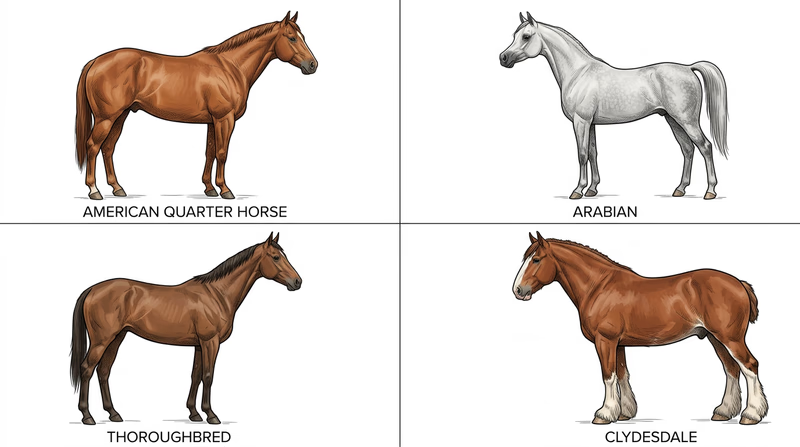
American Quarter Horse
The American Quarter Horse is famous for speed over short distances, strong hindquarters, and practical ranch ability. It is one of the most common breeds in the United States. Many Quarter Horses are calm, athletic, and versatile, which is why you see them in Western riding, ranch work, trail riding, and many beginner lesson programs.
Special features: quick acceleration, muscular build, useful “cow sense,” and a practical temperament.
Arabian
Arabians are one of the oldest horse breeds in the world. They are known for endurance, an expressive head shape, high tail carriage, and strong connection to humans. Because they developed in harsh desert environments, they are often admired for stamina and toughness.
Special features: endurance, refined head shape, alert expression, and historical importance.
Thoroughbred
Thoroughbreds are best known for racing, long legs, and athletic movement. They are often energetic and responsive, which makes them popular beyond the racetrack too. Many become sport horses in jumping, eventing, and other English disciplines after racing careers end.
Special features: speed, height, athleticism, and success in competition.
Clydesdale
Clydesdales are large draft horses with great pulling strength, big feet, and often feathering around the lower legs. They were bred for heavy work like hauling loads. Even though many people know them today from parades or ads, they represent an important working-horse tradition.
Special features: great size, strength, calm draft-horse presence, and ability to pull heavy loads.
Other Breeds You Might Choose
Depending on what horses you know locally, you might also discuss breeds such as the Morgan, Paint Horse, Appaloosa, Tennessee Walking Horse, Belgian, Friesian, or Pony of the Americas. What matters is not choosing the fanciest breed. What matters is being able to explain what makes it special.
How to Describe a Breed
A simple pattern for counselor discussion
- Body type: Is the breed compact, tall, refined, heavy, or especially muscular?
- Movement: Is it known for speed, smooth gaits, powerful pulling, or endurance?
- Temperament: Is it often described as calm, sensitive, bold, willing, or energetic?
- Typical jobs: Ranch work, racing, trail riding, jumping, driving, or pleasure riding?
- Signature trait: What would make someone recognize this breed quickly?
Avoid Easy Mistakes
Color and breed are not the same thing. For example, a horse being bay, black, chestnut, or gray tells you about coat color, not breed. Also, not every horse of a breed acts exactly the same. Breed gives you patterns and tendencies, but training, handling, and individual personality still matter.
American Quarter Horse Association — About the Breed Breed information and examples of the jobs and sports Quarter Horses are known for.Understanding breeds helps you appreciate why different horses are fed, trained, and used in different ways. Next, you will shift from breed traits to health problems, starting with one of the most urgent horse emergencies: colic.