Req 4 — Colic and Common Health Problems
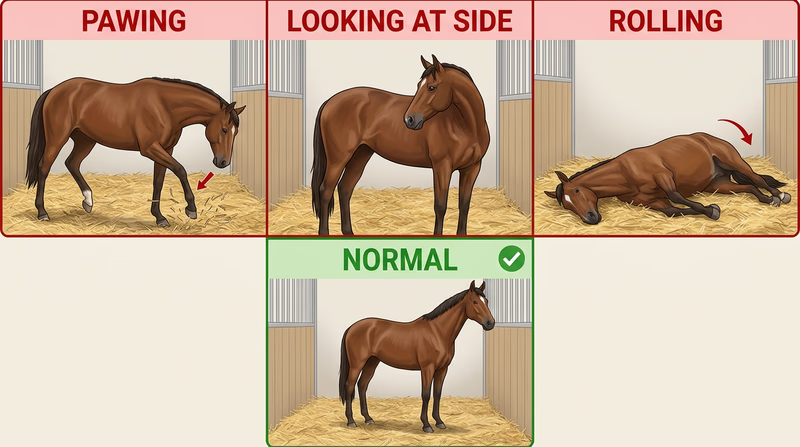
A horse with colic may not look dramatic at first. It may paw, look at its side, or act restless. But colic can become life-threatening fast, which is why horse people take even mild signs seriously. This requirement is really about learning to notice when a horse’s normal behavior has changed and knowing that early action matters.
Colic: A Serious Warning Sign
Colic is a general word for abdominal pain. It is not one single disease. Many different digestive problems can cause it, from gas and feed changes to twists or blockages in the intestines. Because a horse’s digestive system is long and complicated, small problems can become emergencies quickly.
Common Signs of Colic
A horse with colic may:
- Paw at the ground repeatedly
- Look or bite at its side
- Kick at its belly
- Lie down and get up often
- Roll more than usual or try to roll violently
- Refuse feed or water
- Stretch out as if trying to urinate
- Sweat, breathe harder, or seem anxious
- Show less manure than normal
Not every horse shows the same signs. Some become dramatic, while others get quiet and dull. What matters is noticing behavior that is unusual for that horse.
Four Other Health Problems to Know
1. Laminitis
Laminitis is a painful inflammation inside the hoof. It affects the tissues that help hold the coffin bone in place. Horses with laminitis may stand rocked back on their heels, move stiffly, resist turning, or seem unwilling to walk. It is a major emergency because the foot structures can be damaged.
2. Thrush
Thrush is an infection in the frog area of the hoof, often linked to damp, dirty conditions. You may notice a bad smell, black discharge, or tenderness when cleaning the hoof. It reminds you why daily hoof picking and clean footing matter.
3. Respiratory Infection
A horse with a respiratory problem may cough, have nasal discharge, act tired, or run a fever. Horses in barns share airspace, so illness can spread. Good ventilation, clean water, and separating sick horses are important management steps.
4. Skin Problems and Rain Rot
Skin problems can come from moisture, mud, fungus, insects, or poor grooming. Rain rot often causes scabby patches along the back and rump after wet weather. While not as dramatic as colic, it shows how daily care affects comfort and health.
Build a Habit of Observation
Healthy horses usually have bright eyes, normal manure, steady appetite, comfortable movement, and interest in their surroundings. The sooner you learn what normal looks like, the faster you will notice when something seems off.
What to Notice Each Day
Small observations can catch problems early
- Appetite: Is the horse eating and drinking normally?
- Attitude: Does it seem alert, calm, and interested in its surroundings?
- Movement: Is it walking evenly and willingly?
- Manure and urine: Are elimination habits normal?
- Legs and feet: Any swelling, heat, smell, or tenderness?
- Skin and coat: Any sores, scabs, bald patches, or insect irritation?
Horse health problems often show up in how a horse stands and moves. That leads directly into the next requirement, where you will learn about conformation and the difference between a horse that moves lame and one that is generally unsound.