Req 6 — Hoof Care and Horseshoes
Horse people say, “No hoof, no horse,” because the feet support every ride, every turn, and every step in the barn aisle. A horse may look strong and healthy everywhere else, but if the hooves are sore, cracked, infected, or overgrown, the whole animal can become uncomfortable or unusable.
Why Hoof Care Matters
The hoof is not just a hard shell. Inside it are living tissues, bones, nerves, blood supply, and structures that help absorb shock. Good hoof care keeps the foot balanced, clean, and able to support the horse’s weight correctly.
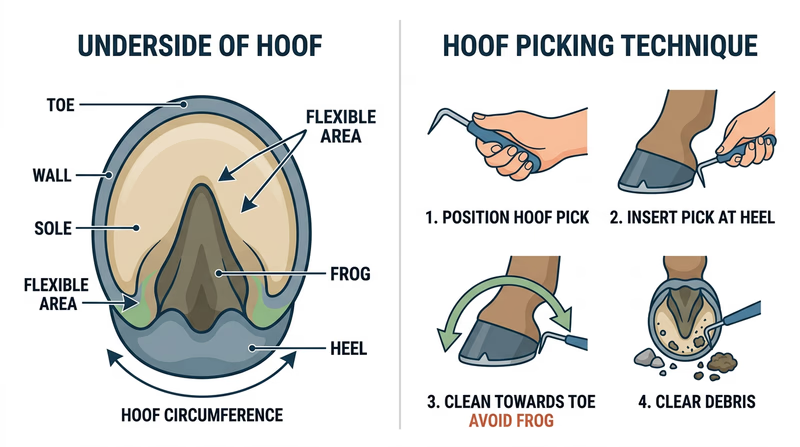
Daily hoof care helps you:
- Remove stones, mud, and manure
- Notice bad smells or black discharge from thrush
- Spot cracks, missing nails, or loose shoes
- Catch soreness before it turns into lameness
Regular trimming by a farrier also matters. Hooves keep growing, so they need routine care to keep the foot balanced and the horse moving correctly.
Why Some Horses Wear Shoes
Not every horse needs shoes, but some do. Shoes are used when the horse needs extra protection, traction, support, or help correcting how the foot bears weight.
Protection
A horse working on rocky ground, pavement, or other hard surfaces may wear shoes to reduce excessive hoof wear.
Traction
Some horses need better grip for work or sport. A horse slipping in turns or on certain footing may benefit from shoes designed to improve traction.
Support or Correction
Farriers and veterinarians may use special shoes to support a hoof problem, help with conformation issues, or manage certain injuries. That is one reason hoof care links closely with overall health.
Barefoot vs. Shod
Some horses stay barefoot and do very well, especially if their work, footing, and hoof quality all support that choice. Others clearly need shoes for comfort and safety. There is no one answer for every horse. The right choice depends on workload, environment, hoof strength, and professional advice.
Signs a Hoof Needs Attention
What riders and handlers notice during daily care
- Packed debris: Stones, mud, or manure trapped in the hoof.
- Bad odor or black material: Possible thrush.
- Cracks or chips: May need trimming or closer attention.
- Heat or tenderness: Could signal inflammation or injury.
- Loose or missing shoe: Needs prompt adult attention.
- Uneven wear: May suggest balance problems or heavy use on rough footing.
Good Hoof Care Is a Team Effort
Daily care usually falls to riders, handlers, and barn staff. Trimming and shoeing belong to a trained farrier. Health problems that go deeper may need a veterinarian too. Good horsemanship means noticing small issues early and involving the right person instead of guessing.
American Association of Equine Practitioners — Hoof Care Veterinary guidance on routine hoof care, farrier work, and common problems that affect soundness.The next requirement puts daily care into practice. Once you understand why hooves matter, grooming and after-ride care start to feel like skilled observation instead of just chores.