Req 7 — Grooming and After-Ride Care
Good grooming is not just about making a horse look nice. It is a full-body safety check. When you curry, brush, pick hooves, and cool down a horse after riding, you are checking skin, legs, tack areas, feet, and attitude all at once.
Why Grooming Matters
Grooming removes dirt, dried sweat, and loose hair. It improves comfort under tack, helps prevent skin problems, and gives you a chance to spot cuts, swelling, sore areas, or heat before a small problem grows.
A clean horse is also easier to tack correctly. Dirt under a saddle pad or girth can rub and create painful sores.
A Basic Grooming Order
Many barns teach a routine like this:
- Secure the horse safely with a halter and lead or cross-ties.
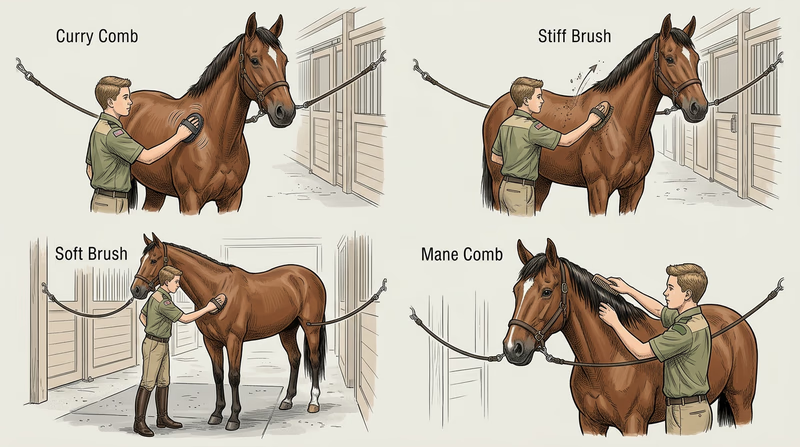
- Use a curry comb in circular motions on fleshy areas to loosen dirt and hair.
- Use a stiff brush to flick away the dirt the curry loosened.
- Use a soft brush on sensitive areas like the face and lower legs.
- Pick the hooves carefully, removing debris from heel to toe while avoiding the frog.
- Comb the mane and tail gently, often starting at the ends to avoid pulling.
Always follow your stable’s specific routine if it differs.
What to Look For While Grooming
Grooming doubles as a health check
- Heat or swelling: Especially in legs and around joints.
- Cuts or scrapes: Small wounds matter under tack.
- Tender spots: The horse may flinch when you brush a sore area.
- Loose shoes or hoof smell: Important clues during hoof care.
- Sweat marks or rubs: Show where tack may not fit well.
Picking Hooves Safely
Hoof picking is part skill and part positioning. Stand close to the horse, facing toward the tail when working on front feet and slightly backward near hind feet, depending on what your instructor teaches. Run your hand down the leg, ask for the foot, and support it without twisting the leg awkwardly.
Use the hoof pick from heel toward toe so you do not jab sensitive structures. Clear mud, stones, bedding, and manure. Notice smell, cracks, bruising, or anything packed tightly into the sole.
Caring for the Horse After a Ride
After riding, the horse still needs your attention. This is when you help it cool down, recover, and stay comfortable.
Cool Down First
Do not hop off after hard work and put the horse away immediately. Walk the horse to let breathing and heart rate settle. On a warm day, that cooldown matters even more.
Check for Sweat and Tack Rubs
Remove tack carefully and look at the saddle, girth, and bridle contact areas. Dry, ruffled, or rubbed spots can tell you something about fit or friction.
Offer Proper Care Based on Weather and Workload
Some horses may need sponging, scraping off water, blanketing, hoof picking again, or extra walking depending on conditions. A horse that has worked hard may need more cooling time than one that only walked lightly.
University of Minnesota Extension — Horse Grooming Basics Basic horse-care guidance that reinforces grooming, observation, and routine stable habits.Daily care also includes feeding correctly. In the next requirement, you will learn why the right amount and type of feed depend on the horse’s size, workload, and breed.