Req 8 — Feeding a Horse
A horse that spends its day giving quiet beginner lessons does not eat the same way as a racehorse, a draft horse pulling heavy loads, or an easy-keeping pony that gains weight quickly. Feeding is not guesswork. It depends on the horse’s size, age, workload, body condition, health, and how efficiently that breed or individual uses calories.
Start With Forage
Most horses should get the largest part of their diet from forage, usually hay or pasture. Forage supports digestion and gives horses the long, steady chewing time their digestive system is built for. Grain or concentrate may be added for horses that need extra calories or balanced nutrients, but forage stays the foundation.
Water Comes First Too
Fresh, clean water is essential. A horse that cannot drink enough is at higher risk for dehydration, poor performance, and digestive trouble.
How People Decide What to Feed
Feeding plans usually consider:
- Body weight or size
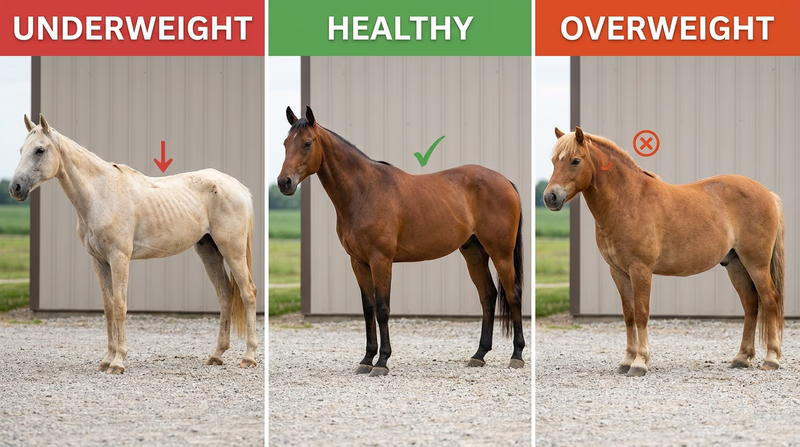
- Body condition — too thin, too heavy, or in good weight
- Age — growing, adult, or senior
- Workload — light, moderate, or heavy work
- Breed tendencies — some horses keep weight easily, others burn calories fast
- Health needs — dental issues, ulcers, metabolic disease, allergies, or past colic
A hard-working horse may need more energy than hay alone can provide. A pony or easy keeper may need controlled portions to avoid obesity or laminitis risk.
Why Activity Level Changes Feeding
A lightly used trail horse or lesson horse may do well on quality hay, pasture, and maybe a simple ration balancer if advised. A horse in frequent training burns more energy and may need more total feed, added concentrate, or special support for recovery.
The more intense the work, the more carefully feeding is managed. That does not always mean “more grain.” It means matching the ration to the work without upsetting digestion.
Questions That Shape a Feeding Plan
Ask these before deciding what or how much to feed
- How much does the horse weigh or what is its body size?
- How hard is the horse working each week?
- Is the horse holding a healthy body condition?
- What kind of hay or pasture is available?
- Does the horse have health issues that affect feeding?
- Has a veterinarian or experienced barn manager recommended a specific plan?
Why Breed Can Matter
Different breeds often have different feeding tendencies. A hot, athletic Thoroughbred may need help maintaining weight. A stocky pony may gain weight on very little. Draft breeds, Arabians, Quarter Horses, and gaited breeds can all have different body types and energy needs, but individual variation still matters a lot.
Breed gives you clues. The horse in front of you gives you the real answer.
Feeding Habits That Protect Health
Good feeding is about routine as much as ingredients. Sudden changes in feed can upset the digestive system. Moldy hay, dirty water, or overfeeding grain can all create serious problems.
Common Healthy Habits
- Feed on a regular schedule
- Make changes gradually
- Keep feed rooms secured
- Watch how much each horse actually eats
- Notice manure, appetite, and weight changes
The next requirement moves from the horse’s body to the rider’s equipment. Once the horse is fed and cared for properly, you need to understand the tack that connects rider and horse.