Req 5a — Museum Visit
A museum case can look quiet at first glance, but it is full of clues. The shape of a bowl, the weave of a basket, the curve of a canoe paddle, or the design on a shirt can tell you about materials, climate, travel, trade, and ceremony. This requirement is really about learning to observe carefully instead of walking past objects too fast.
What to Look For
Pick two exhibitions or collection areas if possible. As you move through them, slow down and ask the same questions each time:
- Which nation or region is this object connected to?
- What material is it made from?
- About how big is it?
- What shape stands out right away?
- What was it used for: food, travel, clothing, ceremony, storage, play, or art?
- What does it suggest about daily life or environment?
If you are identifying 10 artifacts, variety helps. A stronger set might include clothing, tools, containers, art, and transportation items rather than ten objects that all serve the same purpose.
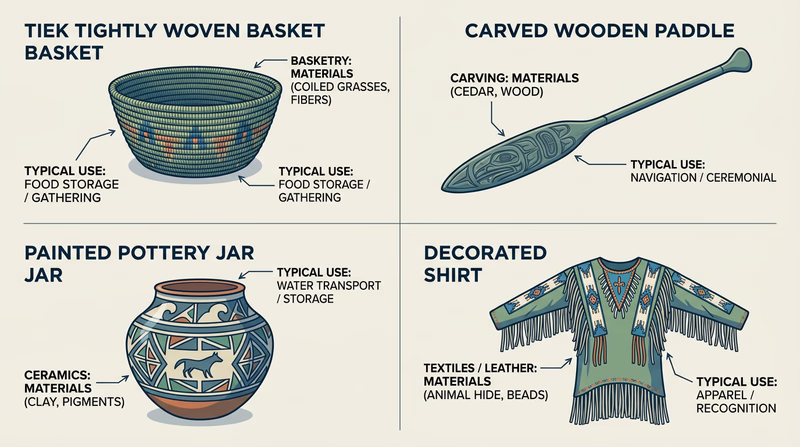
Museum note-taking guide
Use this structure for each artifact you record
- Artifact name or short description
- Nation or tribe
- Shape
- Approximate size
- Material
- Use
- What you learned from it
In Person or Virtual
An in-person museum gives you scale, texture, and room layout. A virtual exhibit lets you zoom in, revisit objects, and sometimes read more detailed labels. Either way, take notes while you observe. Do not count on memory later.
When you discuss two exhibitions with your counselor, compare them. One exhibit might focus on clothing and identity, while another highlights travel, dwellings, or ceremonial life. That comparison shows you were paying attention to themes, not just collecting artifact names.
After a museum visit, you will probably notice objects more carefully everywhere else too. The other option for this requirement focuses less on artifacts and more on respectful behavior at a living community event.