Req 5b — Contemporary Gathering
A contemporary Native gathering is not a historical reenactment. It is a real community event with its own purpose, rules, and tone. Depending on the event, you may see dancing, singing, vendors, honoring ceremonies, food, regalia, social visiting, and announcements that connect the present-day community to older traditions.
The most important skill in this requirement is respectful attention. You are a guest. That means watching carefully, listening first, and following the event’s expectations.
Proper Etiquette
Etiquette can vary by nation, organizer, and event, so read the event information ahead of time if possible. In general, these are strong rules to follow:
Guest etiquette at a Native gathering
Follow local rules first if they differ
- Listen to the announcer. Public instructions often explain when visitors may enter, sit, stand, or take photos.
- Ask before photographing people. Some events welcome it in certain moments, while others limit it.
- Do not touch regalia, drums, or display items unless you are invited.
- Dress neatly and act respectfully. This is not the place for jokes, costumes, or pretending to imitate what you see.
- Support respectfully. If there are vendors, artists, or food booths, treat them the way you would want your own community treated.
What to Observe
You do not need to understand everything at once. Choose a few things to notice well:
- What was the purpose of the event?
- Which parts seemed ceremonial, competitive, social, or educational?
- What did the announcer say that helped you understand what was happening?
- What sounds, colors, movements, and symbols stood out?
- How did people show respect for elders, veterans, dancers, singers, or the host community?
- What did the event show you about Native life today?
The last question matters most. Your discussion with your counselor should make clear that Native cultures are living cultures, not museum pieces.
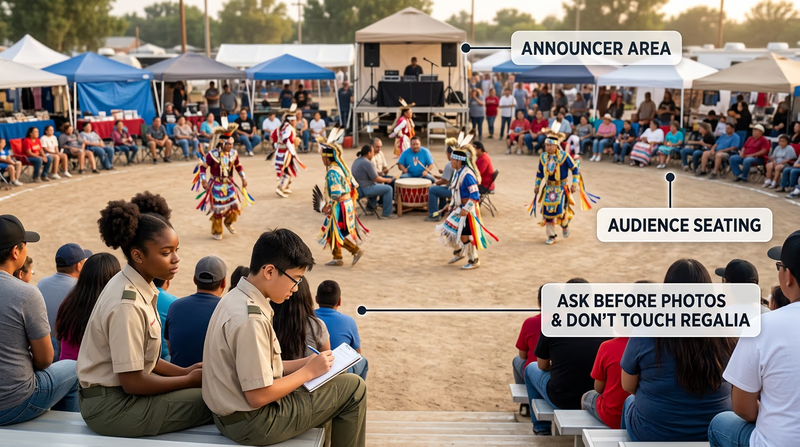
A live event can challenge stereotypes faster than any textbook because you see people leading, creating, honoring, teaching, and celebrating in the present tense. That is a strong way to end the badge.