Req 1 — Ants, Bees, and Field Safety
This requirement covers the two safety problems Scouts are most likely to face while studying insects: ordinary bites and stings, and rare but serious allergic emergencies. Start by learning how to avoid trouble in the field, then make sure you know what to do if someone is stung or has a dangerous reaction.
Requirement 1a
An ant hill can look harmless until you kneel in it, and a bee colony can seem calm until a Scout swats at one of its workers. Most insect-study injuries are not dramatic. They come from being surprised, getting too close, or forgetting that you are working around wild animals that defend themselves.
The two biggest risks are bites or stings and accidental disturbance of nests or colonies. Ant hazards depend on the species. Many ants just pinch or bite, but fire ants can sting repeatedly and leave painful welts. Bee hazards also vary. Honey bees usually sting when they think the hive is threatened, while some wasps and hornets are quicker to defend a nest.
To anticipate hazards, scan the area before you start. Look for ant mounds, lines of ants crossing a log, flowering shrubs full of bee activity, or hive boxes in an apiary. Listen, too. A louder buzz often means you are too close to a concentrated group of bees.
To help prevent trouble, keep these habits in mind:
Safe habits around ants and bees
Simple choices prevent most problems
- Watch where you place your hands and knees: Do not grab rocks, logs, or fence posts without checking first.
- Wear the right clothing: Closed-toe shoes, long pants, and light-colored clothing help outdoors. In a hive setting, use the protective gear your leader requires.
- Move slowly: Swatting, stomping, or sudden movements can make bees defensive.
- Do not block entrances: Avoid standing directly in front of a hive opening or over an active ant trail.
- Skip scented products: Strong perfumes, lotions, or hair sprays can attract attention from some insects.
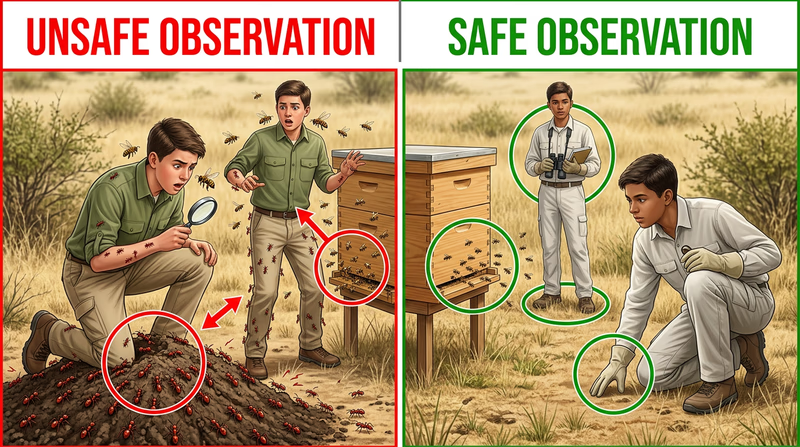
Mitigation means reducing danger once you notice it. If you find active ants where your group planned to sit, move the activity. If bees are foraging on a patch of flowers, give that area space. If someone in the group has a known allergy, make sure leaders know it before the outing begins and know where that person’s medicine is stored.
Responding well matters just as much as preventing the problem. If you are bitten or stung, leave the area first so you are not stung again. Wash the spot if you can. A cold pack can help with pain and swelling. If a honey bee stinger is left in the skin, remove it quickly by scraping sideways with a fingernail, plastic card, or similar flat object. Then keep watching for signs that the reaction is becoming more serious.
Requirement 1b
A sting is not automatically an emergency, but it is never something to ignore. This requirement asks you to know the difference between a local reaction and a whole-body allergic reaction.
A local reaction happens at the sting or bite site. You might see redness, swelling, itching, burning, or pain. That is common. Prevention starts with the same habits you learned in 1a: staying alert, keeping distance from colonies, wearing suitable clothing, and avoiding rough handling of equipment or habitat.
Basic treatment for a normal sting or bite is straightforward. Move away from the insects. Remove a honey bee stinger if one is still present. Wash the area with soap and water. Use a cold pack wrapped in cloth to reduce swelling. If itching is the main problem, an adult may help with an over-the-counter treatment approved for that person.
Ant bites can be different from bee stings. Fire ants often grab the skin with their jaws and sting several times in a circle. That can leave multiple raised spots that later form small blisters. Scratching can break the skin and raise the risk of infection, so keeping the area clean matters.
The most serious health concern is anaphylactic shock, often shortened to anaphylaxis. This is a severe allergic reaction that affects the whole body. It can happen quickly, sometimes within minutes. Warning signs include trouble breathing, wheezing, swelling of the lips or throat, dizziness, fainting, rapid pulse, vomiting, or a feeling that something is very wrong.
Even if symptoms improve after epinephrine, the person still needs medical care. A second wave of symptoms can happen later.
This requirement connects strongly to First Aid skills. If you have also worked on the /merit-badges/first-aid/ badge, you already know that recognizing the emergency early is one of the most important steps.
Before you head into the field, make sure your group knows who has allergies, what emergency plans are in place, and how to reach help. Safe insect study starts before the first insect is ever observed.