Req 6 — Insects in Ecosystems
This requirement moves from individual insects to whole ecosystems. You will look at insects as food, as hunters, and as pollinators — three roles that help explain why insect decline can affect much more than insects alone.
Requirement 6a
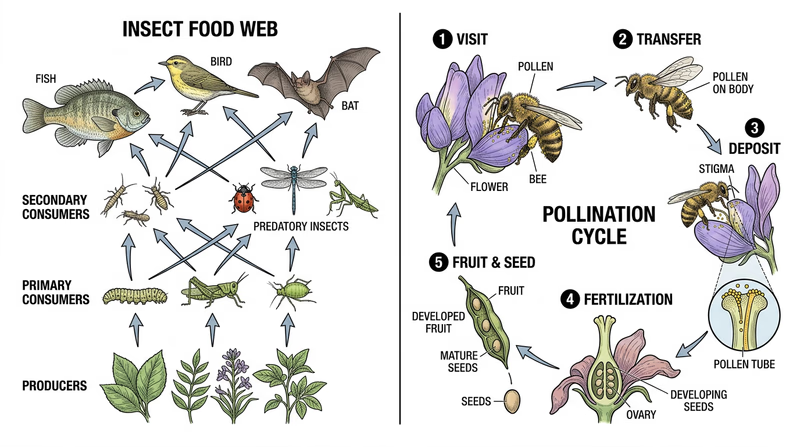
Insects are all over the food web. Some eat plants. Some hunt other insects. Some break down dead material. And many become food for animals much larger than themselves. If insects disappeared, entire food webs would wobble or collapse.
Start with other insects. Dragonflies eat smaller insects. Lady beetles eat aphids. Praying mantises ambush almost anything they can catch. That means insects are not just prey. Many are predators too.
Fish depend on insects as well, especially in streams, ponds, and lakes. Aquatic insect larvae and adult insects that fall onto the water are major food sources for many fish. That is why fly-fishing lures often imitate mayflies, caddisflies, and other insects.
Birds rely heavily on insects, especially when raising chicks. Even birds that eat seeds as adults may feed protein-rich insects to their young. Warblers, swallows, woodpeckers, and many songbirds are closely tied to insect abundance.
Mammals eat insects too. Bats catch flying insects at night. Bears, raccoons, skunks, and many small mammals dig for grubs or raid nests. Some mammals, like anteaters in other parts of the world, specialize in eating social insects.
Requirement 6b
Pollination happens when pollen moves from one flower part to another so seeds and fruit can develop. Wind can do some of this work, but insects handle an enormous share of it. Bees are the most famous pollinators, yet butterflies, moths, flies, beetles, and wasps can pollinate plants too.
As an insect visits a flower for nectar or pollen, some pollen sticks to its body. When that insect visits the next flower, part of that pollen rubs off. That simple transfer can make fruits, vegetables, nuts, and seeds possible.
Different pollinators are matched to different flowers. A long-tongued insect may reach deep nectar tubes. A fuzzy bee body can carry lots of pollen. A night-flying moth may pollinate pale flowers that open or release fragrance after dark. That means plant and insect life are often closely linked.
Why pollinating insects matter
More than just pretty flowers
- Food crops: Many fruits, nuts, and vegetables depend on insect pollination.
- Wild plants: Pollinators help reproduce the plants that support habitats.
- Biodiversity: Plant reproduction supports food and shelter for many other animals.
- Human systems: Farms, gardens, and orchards benefit directly from healthy pollinator populations.
Req 6 ties closely to Req 7 and Req 8. Once you see insects as part of food webs and plant reproduction, it becomes easier to understand why colony collapse disorder, pesticides, habitat loss, and migration problems matter so much.