Req 9b — Turn Insect Study into a Hobby
A hobby is one of the best outcomes of a merit badge because it keeps going after the requirement is done. Insect study can grow into several hobbies, and they do not all require the same level of cost or commitment.
Some possible hobby paths include:
- macro insect photography
- butterfly or pollinator gardening
- moth-lighting and nighttime observation
- beekeeping
- raising caterpillars responsibly
- community science projects such as pollinator counts
- sketching and journaling insects in the field
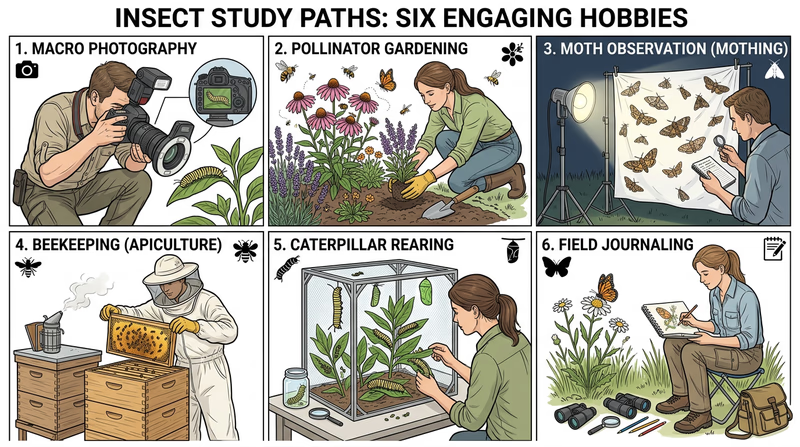
The right hobby depends on what you enjoyed most in the badge. If you liked Req 4, photography or field journaling may fit. If you were fascinated by Req 5 and Req 7, beekeeping might interest you. If you liked conservation, a pollinator garden or citizen-science project may be the best next step.
Research the practical side too. A photography hobby may require a camera or phone lens attachment and practice with lighting. Beekeeping requires much more: hive equipment, protective gear, training, suitable space, and often local rules or association support. Pollinator gardening may cost less at first, but it still benefits from native-plant knowledge and seasonal planning.
Build a realistic hobby plan
What your counselor will want to hear
- What hobby would you pursue? Be specific.
- What would you need to learn next? Courses, guides, mentoring, or club meetings.
- What would it cost? Starter gear, plants, books, association dues, or travel.
- Who could help you? Local clubs, nature centers, beekeeping associations, or online communities.
- What are your goals? One short-term goal and one long-term goal make your plan stronger.
This is a great place to mention organizations that could help you keep going, such as local native plant societies, beekeeping clubs, youth naturalist programs, or community science projects. You do not have to become an expert right away. You just need a next step that is realistic and exciting enough to continue.