Req 2b1 — Comparing Broadcast Coverage
Broadcast coverage is like a timed puzzle. Each outlet has only so many minutes, so editors and producers constantly decide which stories deserve the most time and what format will communicate them best.
Build Your Comparison Log
For each source, list:
- the stories included
- the order they appeared
- the time each story received
- the elements used, such as anchor intro, reporter package, interview clip, live shot, graphic, or commentary
- how fair and accurate the coverage seemed
A local station may lead with weather, traffic, school closures, or a nearby crime story because those directly affect viewers’ lives. A national network may lead with a presidential speech, international conflict, or a major court case. Radio may rely more on concise scripts and audio clips. Online broadcast coverage may expand with video clips, sidebars, or updates that never fit on air.
Elements Used in Broadcast Stories
Broadcast outlets mix storytelling pieces together. Here are some common elements:
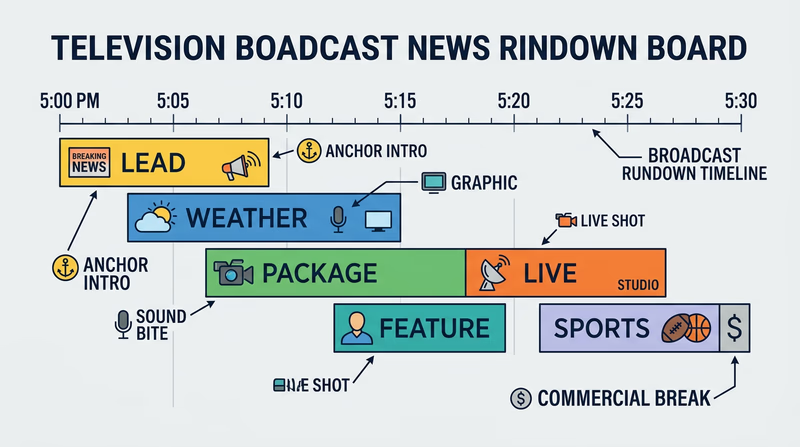
- Anchor intro: A short setup read in the studio
- Reporter package: A pre-recorded story with narration, sound, and visuals
- Sound bite: A short quote from an interview subject
- Live shot: A reporter speaking live from the scene
- Graphic: Text or visuals on screen that explain numbers, locations, or timelines
- Feature segment: A lighter or more human-centered story, often placed later in the newscast
When you compare outlets, do not only ask what they covered. Ask how they covered it.
This requirement also connects back to Req 1. Fairness and accuracy matter just as much on air as they do on a printed page.
The next page takes you inside a station so you can see how all those pieces come together before airtime.