Req 2b2 — Visiting a Station
A station tour shows how many moving parts stand behind a two-minute report. News staff may include anchors, reporters, producers, assignment editors, camera operators, audio engineers, editors, and control-room staff. Each person handles one piece of the puzzle, but the final result has to feel smooth and accurate to the audience.
Departments to Watch For
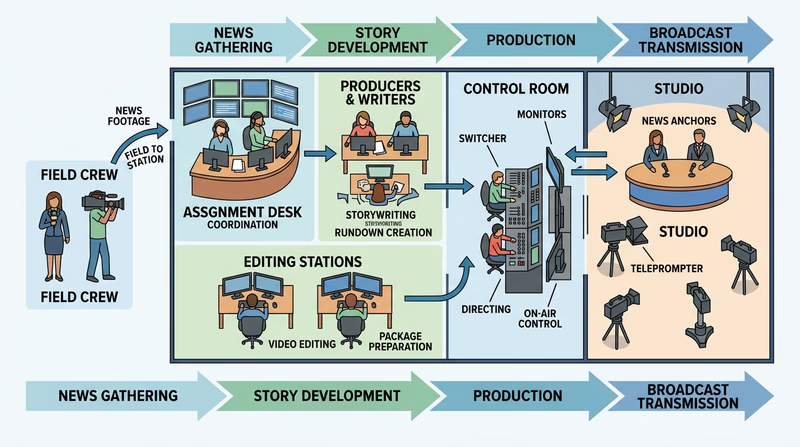
Assignment Desk
This team tracks what is happening, decides what crews should cover, and keeps the newsroom aware of breaking developments.
Producers and Writers
They build the rundown, choose story order, and shape scripts so the broadcast fits the available time.
Studio and Control Room
This is where technical timing happens. Staff manage cameras, audio, graphics, and live transitions.
Field Crews
Reporters and camera operators gather interviews, video, and sound in the community. They often work on tight deadlines and changing information.
What Makes a Good Station?
A good station is more than polished anchors and good lighting. It serves the audience with timely, useful, accurate coverage. Ask how the station handles corrections, breaking news, weather emergencies, and community trust.
Possible questions include:
- How do you decide which stories deserve the most airtime?
- What happens when breaking news changes the entire rundown?
- How do management and journalists work together without hurting editorial fairness?
- What skills do you look for when hiring entry-level staff?
If possible, watching a reporter work in the field is especially valuable. You may see how journalists gather quotes, check details, and adapt when plans change.
By now, you have seen two major journalism paths from the inside. Next, you will choose your own storytelling challenge and produce work of your own.