Req 1 — Reading a Designed Place
A finished site can look simple at first glance: a walkway, some trees, a bench, maybe a lawn or a plaza. But every one of those choices may have been made for a reason. This requirement trains you to slow down, compare the built place to the design plan, and notice how people, plants, structures, and water all fit together.
What Counts as a Landscape Project?
Good choices include parks, civic plazas, school courtyards, memorial grounds, trailheads, community gardens, waterfront spaces, hospital gardens, or the grounds around a library, museum, or public building. The key is that the project was intentionally designed, not just planted randomly over time.
If you are not sure whether a landscape architect worked on a site, check the organization’s website, ask a city parks department, or contact a local design firm. Many firms post project photos and site plans online.
Before You Go
If a plan is available, bring it with you. A printed copy is best because you can circle features, add arrows, and write notes as you walk. If you cannot get the original plan, bring a notebook and sketch a simple base map while you are there.
Here are the main things to prepare before the visit:
Site Visit Prep
Bring these tools so you can observe carefully
- Site plan or map: Use it to compare the design idea with what was actually built.
- Notebook and pencil: Pencil works better outdoors than ink if the weather is damp.
- Phone or camera: Take photos of arrival points, paths, seating, plantings, and drainage patterns.
- Comfortable shoes: You will likely walk the whole site more than once.
- Questions for the designer or site manager: Ask what problems the project was meant to solve.
How to Read the Site
Start at the main point of arrival. Pretend you are a first-time visitor. Can you tell where to go? Is the entrance obvious? Does the path lead you naturally forward, or do you have to guess?
Then walk the site in a loop. Stop often. Look back in the direction you came from. A good landscape often reveals itself in sequence. One view leads to the next. Paths connect spaces with purpose instead of wandering for no reason.
Pay attention to these questions:
1. What is the first impression?
Your first view tells you a lot. A broad walk with trees and lights may feel formal and welcoming. A narrow cracked sidewalk with no sign of an entrance may feel confusing. Landscape architects often think carefully about how people arrive because arrival sets the tone for the whole place.
2. How is the site organized?
Many good projects break large areas into smaller outdoor rooms. One space may be active and noisy, while another is quiet and shaded. A plaza, play area, lawn, seating terrace, or garden edge may each serve a different purpose.
3. Where do people move, stop, and gather?
Watch how people actually use the space. Do they follow the intended paths? Do they cut across grass because the sidewalks are awkward? Are benches placed where people want to sit, or are they empty because they face the wrong direction or sit in full sun?
4. What are the plants doing besides looking nice?
Trees can shade pavement, frame views, block wind, and mark edges. Shrubs can guide movement, soften building corners, or create privacy. Ground covers can protect soil, reduce mud, and tie spaces together visually.
5. How does the site handle rain?
Look for slopes, drains, ditches, swales, curb cuts, rain gardens, or low spots. Water is one of the biggest forces shaping outdoor design. If the project handles water badly, people notice fast.
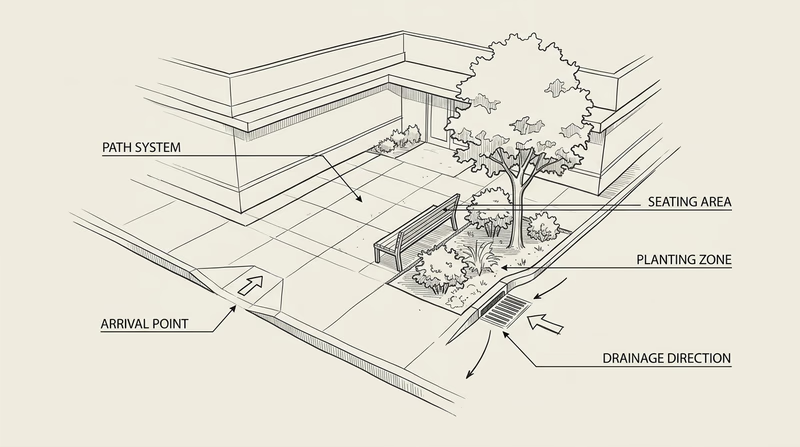
Compare the Plan to Reality
If you have a design plan, use it as a detective tool. Try to match labels, paths, planting zones, and structures to what you see on the ground.
Sometimes the built project matches the plan closely. Sometimes it changes because of budget, weather, soil conditions, plant availability, or maintenance needs. Noticing those changes is part of the lesson. The plan shows intent. The finished site shows how that intent survived real-world limits.
Questions to Ask During or After the Visit
If you can talk to a landscape architect, site manager, or knowledgeable staff member, ask questions that help you understand the design goals.
- What problems did this project need to solve?
- Who was the site designed for?
- Which features were most important to include?
- Were any parts of the original plan changed during construction?
- Which plants were chosen for climate, drainage, durability, or appearance?
- What has worked especially well since the project opened?
These questions will help you in Req 2, where you discuss how the site functions.
What to Bring Back to Your Counselor
Your counselor does not need perfect architectural drawings. They need evidence that you truly studied a designed place. Bring your marked-up plan or sketch, photos, and notes about the main spaces, paths, seating areas, plantings, and drainage patterns. Be ready to explain not just what is there, but why it may have been designed that way.
Your site visit gives you the raw material for the next requirement. Now you will look at the same place with more specific design questions in mind.