 Getting Started
Introduction & Overview
Laws are everywhere — from the speed limit on your street to the rules that protect your right to speak your mind. Every time you buy something at a store, ride your bike on a public road, or log on to the internet, laws are working behind the scenes to keep things fair and safe. The Law merit badge gives you a front-row seat to understanding how these rules shape our daily lives and why they matter.
Whether you dream of becoming a lawyer, a police officer, a judge, or simply want to be a well-informed citizen, this badge will help you understand the system of laws that holds our society together.
Then and Now
Then — Rules of the Ancient World
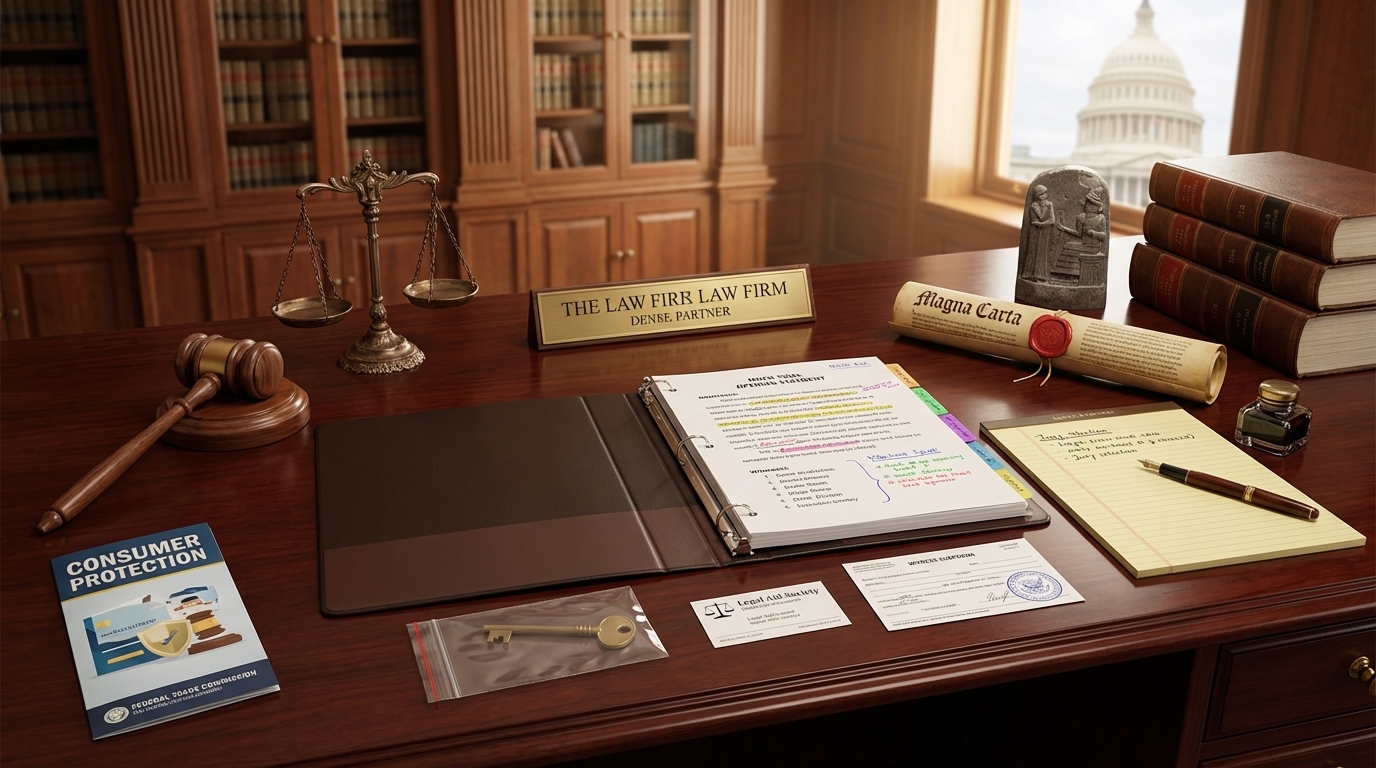
Humans have been making laws for thousands of years. Around 1754 BCE, King Hammurabi of Babylon carved 282 laws into a stone pillar and placed it in public so everyone could see the rules. Centuries later, Roman Emperor Justinian organized Roman law into one massive legal code that influenced legal systems across Europe. In 1215, English nobles forced King John to sign the Magna Carta, a document that established a revolutionary idea: even the king must follow the law.
- Purpose: Maintain order, resolve disputes, protect property, and limit the power of rulers
- Mindset: The law is written, public, and applies to everyone — even those in charge
Now — A Living System
Today, the law is a vast and evolving system. The U.S. Constitution is the supreme law of our country, and federal, state, and local governments each create their own layers of laws. Courts interpret these laws, and citizens can challenge laws they believe are unjust. New laws are written every year to address challenges that the Founders could never have imagined — from cybercrime to artificial intelligence.
- Purpose: Protect individual rights, ensure public safety, regulate commerce, and resolve conflicts fairly
- Mindset: The law belongs to the people and changes as society changes
Get Ready! The legal system might sound intimidating, but it is designed for you — to protect you, to give you a voice, and to keep your community running smoothly. Let’s dig in and discover how it all works.

Kinds of Law
The legal world is enormous, but most laws fall into a handful of major categories. Understanding these categories is the first step to making sense of how the system works.
Criminal Law
Criminal law deals with actions that society considers harmful or dangerous — things like theft, assault, and fraud. When someone breaks a criminal law, the government (not a private person) brings the case against them. If found guilty, the person may face fines, community service, probation, or prison time.
Civil Law
Civil law handles disputes between people, businesses, or organizations. If your neighbor’s tree falls on your car, or a company breaks a contract, that is a civil matter. Instead of prison time, the losing side in a civil case usually pays money (called “damages”) to make things right.
Constitutional Law
Constitutional law is based on the U.S. Constitution — the supreme law of the land. It defines the structure of the government, the powers of each branch, and the fundamental rights of every citizen. When a court decides whether a law violates the Constitution, that is constitutional law in action.
Administrative & Regulatory Law
Government agencies create rules to carry out the laws passed by Congress and state legislatures. The Environmental Protection Agency sets pollution limits. The Food and Drug Administration regulates what goes into your food and medicine. These agency-made rules are called regulations, and they have the force of law.
International Law
International law governs relationships between countries. Treaties, trade agreements, and human rights conventions all fall under this umbrella. Organizations like the United Nations and the International Court of Justice help enforce these rules — though compliance often depends on cooperation rather than a single authority.
Now let’s start exploring the requirements for the Law merit badge!