Req 2 — Hides, Leather Types, and Best Uses
This requirement asks you to understand leather as a material before you start building with it. You will explain four connected ideas:
- where leather comes from
- what kinds of hides are used
- five types of leather
- which projects match each type best
Once you understand those differences, your project choices in Req 3 will make much more sense.
Requirement 2a
Leather starts as animal hide. A hide is the skin removed from an animal after slaughter, usually as part of the food industry. Instead of letting that skin go to waste, people preserve and process it into a strong, flexible material. That processing matters because raw hide will stiffen, rot, and break down if it is not treated.
The main preservation process is called tanning. Tanning changes the proteins in the hide so the material becomes more durable, more stable, and more usable. That is the point where hide becomes leather.
Most leathercraft leather comes from cattle, but hides from goats, pigs, deer, sheep, and other animals are also used. The animal, its age, the climate it lived in, and how the hide was handled all affect the final leather.
🎬 Video: How is Leather Made? (video) — https://youtu.be/oNTWz7bwolc?si=MTkSYtqnDxvJIgC8
Requirement 2b
When leatherworkers talk about hides, they are usually comparing both the animal source and the part of the hide being used.
Cowhide is the most common for beginners. It is widely available, comes in many weights, and is strong enough for belts, pouches, wallets, and tooling projects.
Calfskin is finer and smoother than cowhide. It is often used where a softer, dressier look matters.
Goatskin is flexible and durable for its thickness. Many people like it for gloves, linings, and smaller goods.
Sheepskin is soft but less rugged. It is good for soft goods and lining, not for projects that need a stiff body.
Pigskin is recognizable by its pore pattern. It can be durable and is often used in gloves, lining, and some utility items.
Leatherworkers also care about the location on the hide. The backbone area is often firmer and more even, while the belly area stretches more and can behave less predictably.
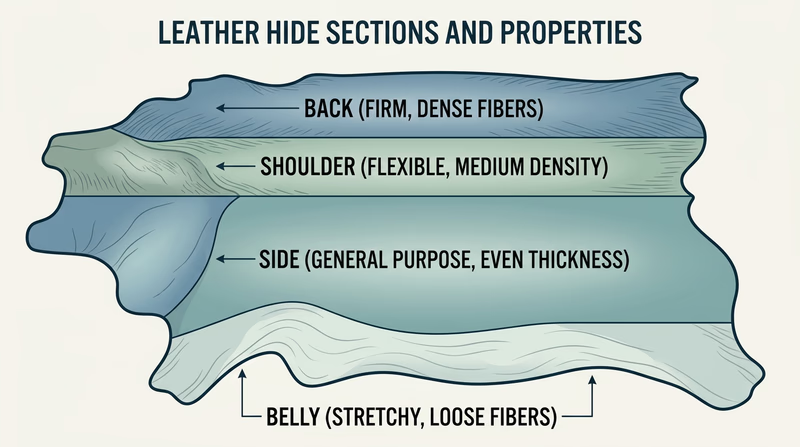
🎬 Video: Picking the Best Part of the Leather Hide (video) — https://youtu.be/UifaYowyj44?si=mz4_Fm3dsS2IdwDf
Requirement 2c
There are many ways to classify leather, but five types show up often in beginner conversations.
Vegetable-tanned leather
This leather is tanned with plant-based tannins. It is usually the best choice for stamping, carving, wet forming, and many Scout projects because it holds impressions well and can be dyed.
Chrome-tanned leather
Chrome tanning uses mineral salts. The result is often softer, more flexible, and more water-resistant than vegetable-tanned leather. It is common in upholstery, garments, and bags.
Full-grain leather
Full-grain means the outer surface of the hide stays mostly intact. It usually shows natural marks and develops character over time. Many people consider it the strongest and most durable grade for quality goods.
Top-grain leather
Top-grain leather has had the surface corrected or sanded slightly for a more uniform appearance. It is still good-quality leather, but it has been altered more than full-grain.
Suede
Suede is made from the underside of the hide or from split leather. It has a fuzzy surface and feels soft, but it usually is not the first choice for tooling or rigid projects.
🎬 Video: Leather Is Made From Which Animal (video) — https://youtu.be/fCrCwKpBXe4?si=ZosX3COH795k644n
Requirement 2d
Matching the leather to the job is one of the most important decisions in the whole badge.
| Leather type | Best uses | Why it fits |
|---|---|---|
| Vegetable-tanned | belts, coasters, sheaths, carved patches, stamped projects | holds shape, takes tooling well, accepts dye |
| Chrome-tanned | bags, soft pouches, garments, linings | flexible, comfortable, often already finished |
| Full-grain | heavy-duty gear, long-lasting everyday goods | strong surface, durable, ages well |
| Top-grain | wallets, handbags, cleaner-looking finished goods | smooth appearance, reliable consistency |
| Suede | lining, trim, soft accessories | soft texture, flexible feel |
A common beginner mistake is trying to tool or stamp soft chrome-tanned leather like it is vegetable-tanned leather. The marks will not hold the same way. Another mistake is choosing very thick leather for a project that needs to fold cleanly.
🎬 Video: What Leather Should I Use for Tooling? (video) — https://youtu.be/NNppGlzskQU?si=a3Kf5tP4MR28dcjf
🎬 Video: Choosing the Correct Leather for your Project (video) — https://youtu.be/i9chSW724QI?si=m5PgNOUbjl-obxra
How to choose the right leather
Ask these questions before you start a project
- Does the project need to stay stiff or bend easily?
- Will you carve, stamp, or tool the surface?
- Does the project need a polished surface or a softer texture?
- Will the item face weather, sweat, or frequent handling?
- Is the leather thickness appropriate for the hardware and edge treatment you plan to use?
Now that you understand the material, you are ready for the biggest hands-on decision in the badge: choosing which five leatherworking skills to use in your project.