Req 3c — Punching Accurate Holes
A row of crooked holes can make even a well-cut project look rushed. Hole punching is really a measuring skill disguised as a tool skill. The goal is not just making holes — it is making them the right size, in the right place, and spaced evenly enough that stitching or hardware looks intentional.
🎬 Video: How to Use a Rotary Hole Punch (video) — https://youtu.be/lu14WIqvxHw?si=Sf-GEE-qn9xG9Bea
🎬 Video: How to Punch Holes (video) — https://youtu.be/ei1wqcTX3BQ?si=02881vW0BGWC9EzL
Match the hole to the job
Round holes are often used for snaps, rivets, and some lacing. Stitching holes may be round, diamond-shaped, or slit-like depending on the method. The hole should fit the lace, thread, or hardware without being so large that the joint looks sloppy.
Steps for better results
Mark hole positions before you start punching. Use a ruler, wing divider, or spacing tool when possible. Keep the punch vertical so the front and back stay aligned. Strike on a proper punching surface so the tool cuts through instead of flattening the leather.
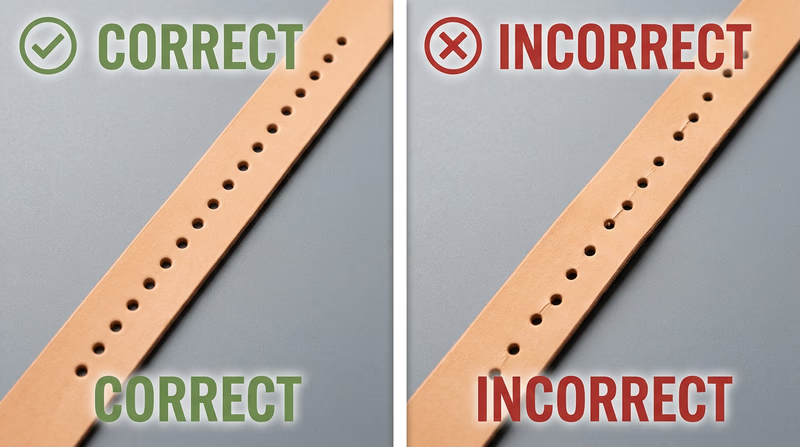
Hole-punching habits
Small steps that make a big visual difference
- Mark first, punch second.
- Test the punch size on scrap leather.
- Keep equal distance from the edge.
- Hold the tool straight up and down.
- Clear waste from the punch so each hole stays crisp.
Next you can choose whether to keep the surface plain or add decoration through carving and stamping.