Req 3h — Smooth Finished Edges
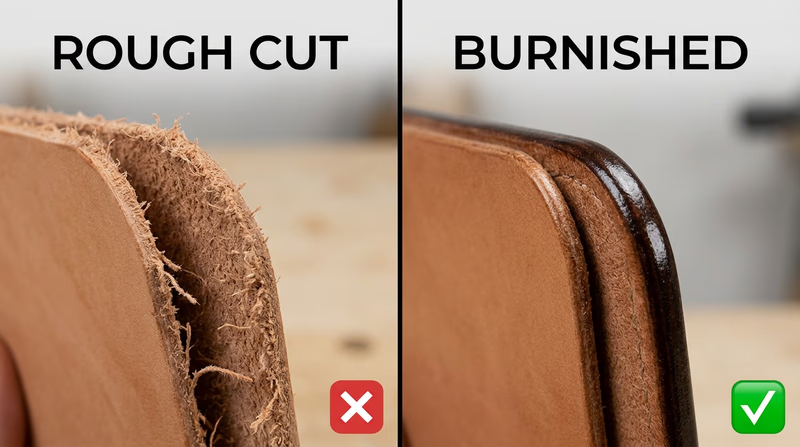
Edges are where many projects reveal their true quality. A leather item with smooth, even edges feels finished in your hand. A project with fuzzy, uneven edges can look unfinished even if the rest of the work is solid.
🎬 Video: Edge Finishing Techniques (video) — https://youtu.be/kb8yyG3TO70?si=3neDiHe3jxmRj7UJ
What dressing an edge includes
Depending on the project, dressing an edge may mean trimming it flush, beveling the corners, sanding it smooth, adding water or gum, burnishing it, or applying edge paint or finish. Not every project needs every step, but every project benefits from attention here.
Why this matters
Edges are touched constantly on belts, straps, wallets, and bracelets. A smoother edge feels better, resists fuzzing, and makes the whole project look more professional.
A simple finishing sequence
Trim first if needed. Sand lightly to even the layers. Bevel if the project calls for it. Then burnish or apply your chosen edge treatment until the edge looks smooth and feels comfortable.
Once you can handle project steps from layout through finished edges, you are ready to try another skill that also depends on rhythm and consistency: braiding or plaiting.