Req 4b — Wildlife Photography Log
A good wildlife photograph is more than proof that you saw something. For this requirement, the picture is only half the job. The other half is documenting the conditions that may explain what the mammal was doing.
What Counts as a Strong Observation Record
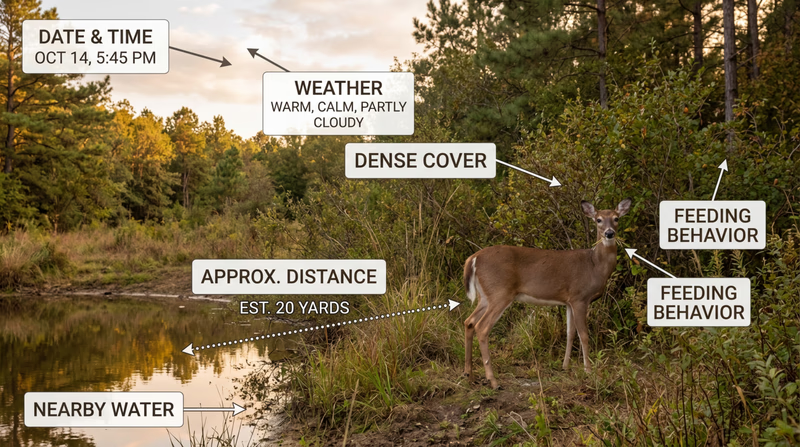
For each of the two mammals, record:
- date
- time of day
- weather
- approximate distance from the animal
- habitat conditions
- other factors that may have influenced behavior
That last part is where your thinking shows. Was the animal feeding at the edge of cover? Was it active because the evening cooled down? Did it freeze when hikers passed? Did wind, shade, or water access matter?
Focus on Behavior, Not Just Beauty
The goal is not professional-level photography. The goal is useful field evidence. A slightly imperfect photo with excellent notes can satisfy the requirement better than a beautiful image with no context.
Field Notes for Each Photo
Write these down as soon as possible
- Species or best identification
- Exact or approximate location
- Date and time
- Weather and light conditions
- Distance from the animal
- What the animal was doing
- What in the habitat may explain that behavior
Ways Habitat Conditions Influence Behavior
Watch for clues like these:
- dense cover may make small mammals feel safe enough to feed
- water nearby may draw deer, raccoons, or muskrats
- open ground may keep prey species moving quickly
- cold weather can increase daytime basking or feeding activity
- human presence can make mammals freeze, flee, or become more secretive
Official Resources
These official resources focus on practical wildlife photography habits.
🎬 Video: Top 10 Wildlife Photography Shortcuts (video) — https://www.youtube.com/watch?v=r5liiAoUJ1Q
🎬 Video: The Most Important Wildlife Photography (video) — https://www.youtube.com/watch?v=wzuxDkmsZgM
If you would rather analyze one species in depth with research and writing, the next option focuses on a native game mammal life history.