Req 1 — Safety First
Metalworking can be exciting because it gives you the power to change strong materials with heat, force, and sharp tools. That same power is why safety has to come first. In a metal shop, mistakes happen fast: a file can slip, a chip can fly, solder fumes can build up, or a piece that looks cool can still be hot enough to cause a serious burn.
The Biggest Hazards in Metalwork
The safest Scouts learn to name the hazard before they start the job. In metalwork, the main hazards are:
- Sharp edges from sheet metal, cutoffs, and unfinished projects
- Flying chips and scale from cutting, filing, drilling, and forging
- Heat and burns from torches, forges, soldering tools, hot metal, and recently heated tools
- Fumes and dust from heating, polishing, grinding, flux, and coatings
- Noise from hammering, striking steel, and power equipment
- Fire from sparks, open flames, oily rags, paper patterns, or clutter near hot work
- Pinch and impact injuries from hammers, vises, stakes, and heavy material
Metal Shop Safety Habits
Build these habits before every session
- Protect your eyes: Wear safety glasses any time chips, sparks, or wire ends might fly.
- Dress for the job: Closed-toe shoes, tied-back hair, and no loose sleeves or dangling jewelry.
- Know what is hot: Ask before touching any tool, workpiece, or surface near heat.
- Keep your area clear: Clean up scrap, sharp offcuts, and clutter before they become hazards.
- Ventilate the space: Use the shop’s ventilation system and avoid breathing fumes directly.
- Work only with approval: Get your counselor’s okay before changing tools, heat levels, or materials.
Personal Protective Equipment
The right protective gear depends on the process. Safety glasses are the baseline. When forging or chipping scale, a face shield may be added. Hearing protection can matter during repeated hammering or power-tool use. Heat-resistant gloves may help when moving hot material, but gloves are not universal—some rotating tools and some fine-detail work are safer without loose hand coverings. That is why you should follow your counselor’s shop rules instead of making assumptions.
Heat Safety
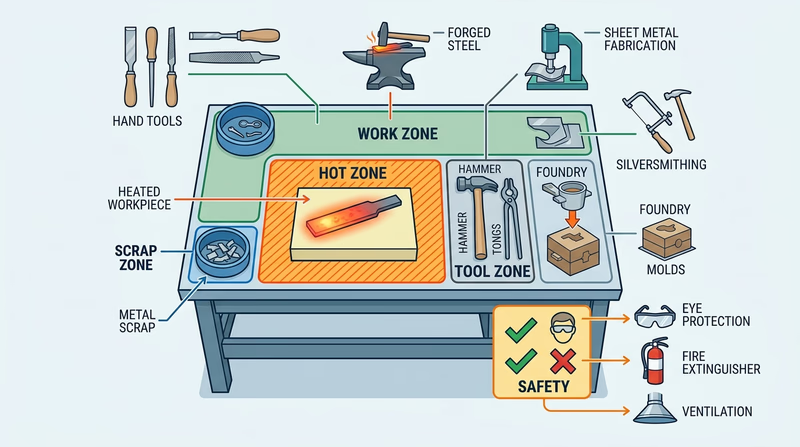
Heat changes everything in metalworking. A torch flame, forge, soldering iron, or recently heated project can cause burns long after the bright color is gone. Dark steel may still be dangerously hot. Flux and coatings may smoke. Nearby tools can also heat up enough to burn you.
Air Quality and Clean Materials
Not every danger is easy to see. Heating metal, solder, flux, or surface coatings can release fumes. Grinding and polishing can create fine dust. Good ventilation matters, and so does using the right material. For example, some coatings and plated metals should not be heated in the same way as clean base metal. Ask before heating anything with an unknown coating.
Process-Specific Rules for Requirement 5
Requirement 5 asks you to choose one option, and each option adds its own safety concerns:
- Sheet Metal / Tinsmith: razor-sharp edges, snips, punches, rivets, soldering heat, and handling flat stock safely
- Silversmith: fine saw blades, small hot parts, flux and solder fumes, polishing compounds, and close-up hand work
- Founder: molds, molten lead-free pewter, spills, moisture hazards near molten metal, and careful pouring technique
- Blacksmith: forge heat, hot scale, striking tools, moving long stock, and safe hammering around an anvil
One of the most important discussions with your counselor is not just “what could go wrong?” but “how do we prevent it before the tool ever touches the metal?”
A counselor will notice good safety habits before they notice good craftsmanship. If you work safely, you give yourself the chance to learn every other skill in this badge with confidence.