Req 5c1 — Molds & Their Parts
5c1.
Name and describe the use of the basic parts of a two-piece mold. Name at least three different types of molds.
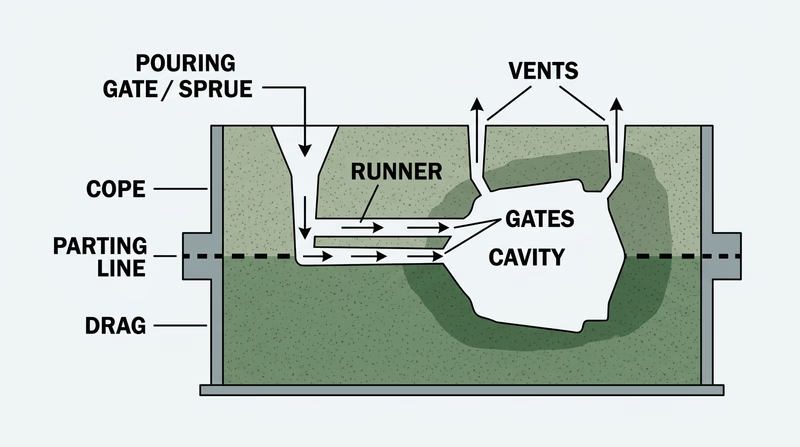
A two-piece mold works like a carefully fitted sandwich. Each half holds part of the cavity, and together they create the shape the molten metal will fill. If the halves do not align well, the casting will not come out correctly.
Basic Parts of a Two-Piece Mold
- Cope — the top half of the mold
- Drag — the bottom half of the mold
- Parting line — the place where the two halves meet
- Pattern cavity — the empty shape left by the pattern
- Pouring gate or sprue — the channel where metal enters the mold
- Runner — a passage that carries metal from the sprue toward the cavity
- Vent — small passage that lets trapped air and gases escape
Common Mold Types
Three common mold types you might name are:
- Sand mold — made by packing sand around a pattern; common for many foundry projects
- Permanent mold — a reusable mold, often metal, used for repeated castings
- Investment mold — made from a wax pattern and refractory material; often used for fine detail
You may also hear about green-sand molds, shell molds, or die-casting molds depending on the process.
Understanding mold structure now will help you design smarter objects in the next requirement.