Req 5c2 — Sketching Your Cast Objects
5c2.
Create a sketch of two objects to cast in metal. Include each component’s dimensions on your sketch, which need not be to scale.
Casting starts long before the metal melts. A good sketch helps you choose an object that can actually be molded, vented, and poured successfully.
Think About Castability
Some shapes look great on paper but are hard to cast well. Very thin sections may cool too quickly. Deep undercuts may not release cleanly from a simple mold. Tiny decorative details may disappear if the mold material cannot hold them sharply.
That is why beginner castings are often simple objects such as:
- medallions or tokens
- small plaques
- simple hardware pieces
- decorative pendants
- flat-backed symbols or emblems
Casting Sketch Checklist
Review these before asking for approval
- Overall dimensions shown: Length, width, and thickness are clear.
- Shape is realistic for a mold: No hidden spaces that a simple mold cannot support.
- Pattern source considered: One casting uses a counselor-provided pattern; one uses your own approved pattern.
- Pouring thought ahead: You can imagine where the metal might enter and where air might escape.
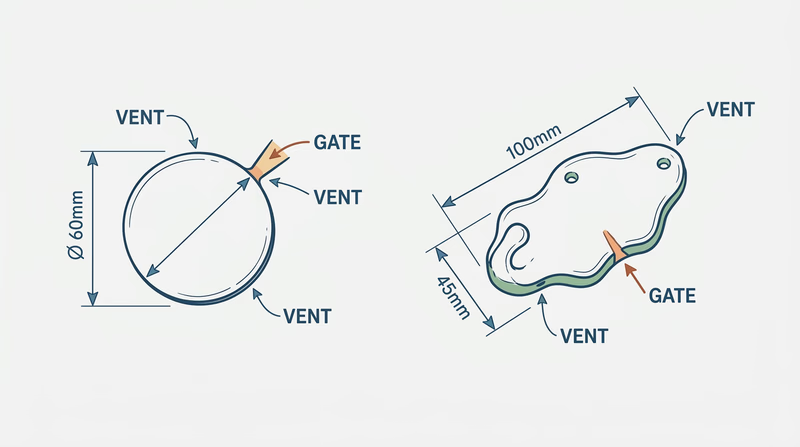
A strong sketch proves you are thinking like a founder instead of just drawing an object. The next step is building the molds and bringing molten pewter into that planned space.