 Getting Started
Introduction & Overview
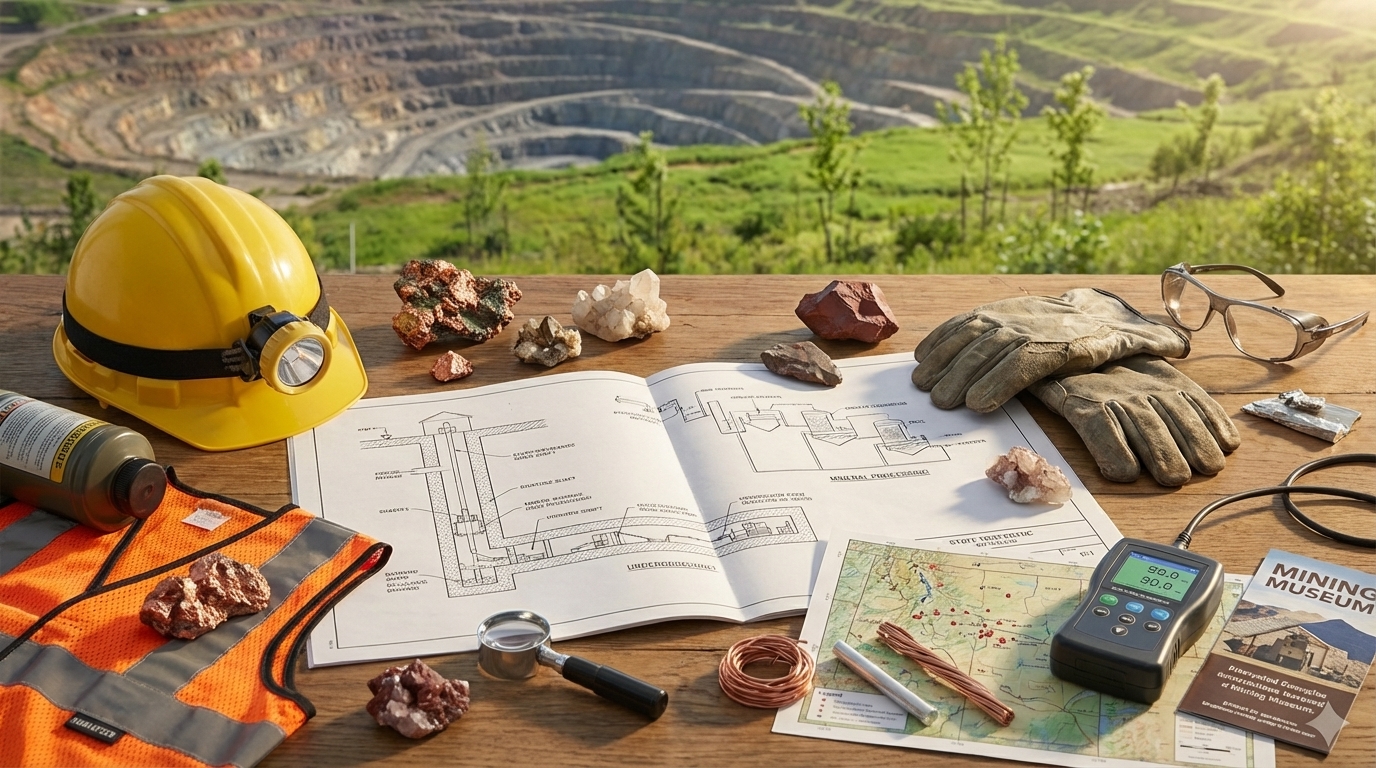
Mining is one of those subjects you notice more once you start looking for it. The copper in a wire, the gypsum in drywall, the salt on a road, and the stone under a sidewalk all began as material taken from the Earth. This badge helps you see how mining supports daily life, how it affects communities and landscapes, and why safety and stewardship matter just as much as production.
Mining in Society is not only about digging holes in the ground. It is about geology, engineering, transportation, environmental science, history, and careers that shape how modern life works. As you work through this guide, you will connect the minerals around you to the mines, people, and decisions that made them available.
Then and Now
Then
Humans have been miners for thousands of years. Long before factories and power plants, people dug flint for tools, copper for simple metalwork, salt for preserving food, and stone for building shelters and monuments. Ancient miners followed veins of ore with hand tools, fire-setting, and animal power. In many places, entire settlements grew around a useful deposit because a mine could change trade, wealth, and even military power.
During the Industrial Revolution, mining expanded fast. Coal powered steam engines. Iron ore fed steel mills. Explosives, railroads, pumps, and mechanized drills let miners reach deeper and move more rock than ever before. That growth also came with hard lessons about cave-ins, explosions, dust disease, polluted water, and boom-and-bust mining towns.
Now
Modern mining uses satellite imagery, detailed geology, environmental monitoring, ventilation systems, computers, and highly specialized equipment. Some mines are giant surface operations with haul trucks as tall as houses. Others are underground networks where miners rely on roof support, gas monitoring, and constant communication. Many operations now plan reclamation from the start so land can be stabilized, replanted, and returned to new uses after mining ends.
Mining also matters for today’s biggest technology questions. Electric vehicles need copper, lithium, nickel, graphite, and rare earth elements. Fertilizer ingredients such as phosphate and potash support agriculture. Construction depends on crushed stone, sand, gravel, cement ingredients, and metals. Even recycling depends on knowing where materials came from and how they can be recovered again.
Get Ready!
This badge rewards curiosity. You will map real mines, compare mining methods, study safety, think about reclamation, and choose a few directions that match your interests. If you like history, engineering, environmental science, or how everyday objects are made, you will have plenty to explore.
Kinds of Mining in Society
Surface Mining
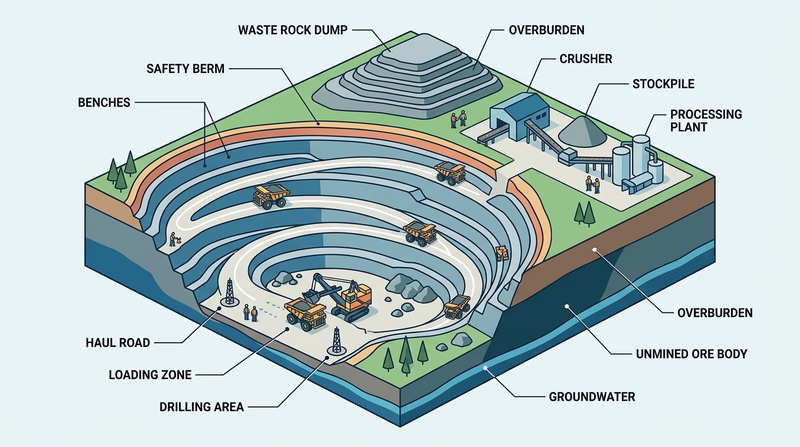
Surface mining removes material from open pits, quarries, or strip mines when the deposit is close enough to the surface to reach economically. It is often used for limestone, sand and gravel, coal, and some metal ores. Surface mines can move huge amounts of rock efficiently, but they also create large visible changes to the landscape and require careful water, slope, dust, and reclamation planning.
Underground Mining
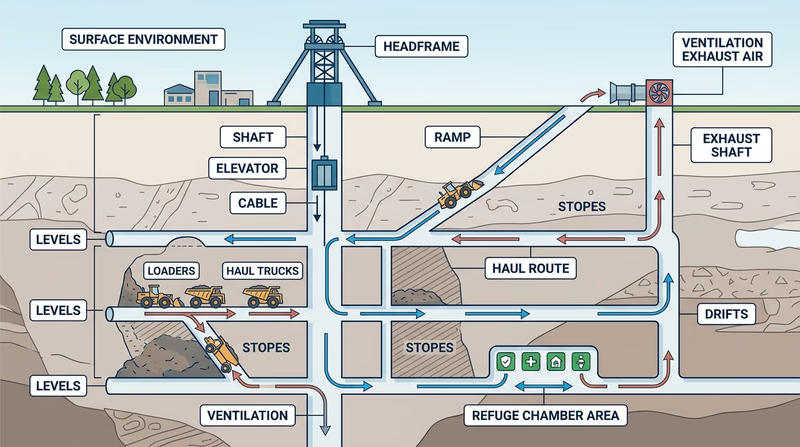
Underground mining follows a deposit below the surface through shafts, ramps, and tunnels. It is often used when the resource is deep, narrow, or better protected underground than in a surface operation. Underground mines demand strong attention to ventilation, ground support, emergency planning, and worker communication.
Quarrying and Construction Materials
Many Scouts picture gold or coal when they hear the word mining, but quarrying matters just as much. Crushed stone, sand, gravel, clay, gypsum, and limestone are the raw materials behind roads, schools, bridges, sports fields, and houses. These operations are often closer to the places where people live because bulky materials are expensive to haul long distances.
Processing, Transport, and Reclamation
A mine is only one part of the story. After rock is removed, it may be crushed, concentrated, smelted, refined, shipped by rail or truck, and used in manufacturing. Later, the same site may be reclaimed for wildlife habitat, recreation, solar power, industry, or public land use. Mining in society means thinking about the full life cycle, not just the digging stage.
You have the big picture. Next, you will connect specific minerals to real products and start seeing how deeply mining is woven into ordinary life.