Req 3 — Mine Safety and Protective Gear
This requirement is about matching a hazard to the tool or habit that reduces it. Mines can involve falling rock, moving equipment, dust, loud noise, low visibility, unstable ground, poor air, and emergency situations where every second matters. Good mine safety is not one single rule. It is layers of protection working together.
Requirement 3a
Why miners wear layers of protection
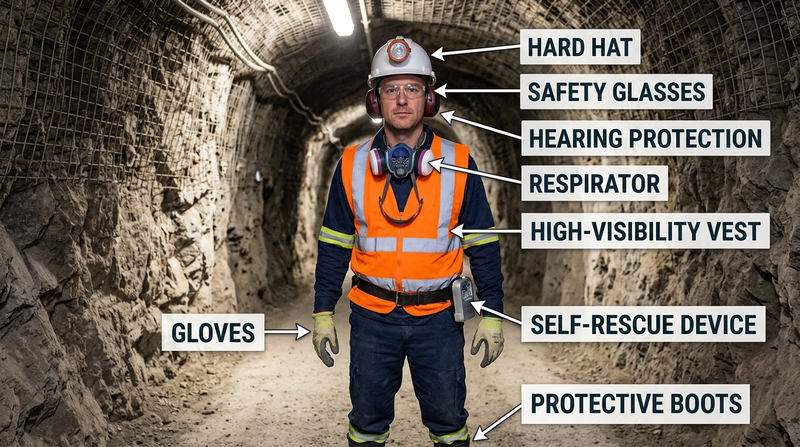
A mine is a place where several hazards may happen at once. A miner might be near loud machinery, airborne dust, dim light, and vehicle traffic all in the same shift. That is why personal protective equipment, often called PPE, is chosen as a system rather than as isolated items.
How each item helps
- Hard hat: Protects the head from falling or swinging objects and from bumping low overhead ground support or equipment.
- Safety glasses: Shield the eyes from dust, flying chips, sparks, and splashes.
- Earplugs or hearing protection: Reduce damage from drills, crushers, fans, and haul equipment.
- Dust mask or respirator: Helps protect lungs from harmful dusts, depending on the hazard and the equipment used.
- Self-rescue device: In some underground settings, miners carry a device that provides breathable air or helps them escape a smoke or toxic-gas emergency.
- High-visibility vest or clothing: Makes a worker easier to see around heavy equipment, especially in dim conditions or bad weather.
Why wearing it correctly matters
PPE only helps if it is fitted, maintained, and worn the right way. Glasses hanging from a shirt collar do not protect eyes. Earplugs worn loosely do not block enough noise. A hard hat with broken suspension may not spread an impact properly. In real mine safety, the habit matters as much as the gear.
Think hazard first
A good counselor answer connects each piece of PPE to a specific risk
- Head protection goes with falling or striking hazards.
- Eye protection goes with flying particles and dust.
- Hearing protection goes with constant high noise.
- Respiratory protection goes with dust, fumes, or poor air quality hazards.
- High visibility goes with mobile equipment and low-light conditions.
- Self-rescue equipment goes with emergency escape situations.
Requirement 3b
Hand protection for impact, pinch, and vibration
Miners use tools, lift materials, handle rock, connect hoses, and work around moving parts. That creates risks from cuts, pinch points, vibration, and crush injuries. Gloves help, but the type matters. A glove that is useful for rough rock may not be right around rotating equipment where snagging is a concern. Good training teaches when gloves help, when they must fit tightly, and when a task needs a different control such as a lockout procedure or a guard.
Foot protection for crush and slip hazards
Feet face a constant mix of weight, sharp edges, wet ground, mud, loose rock, ladders, and uneven walking surfaces. Sturdy boots with toe protection, ankle support, and slip-resistant soles help reduce the risk of crush injuries and falls. In underground operations, mud and water can turn a routine walkway into a sliding hazard. In surface mines, loose gravel, steep haul roads, and changing weather make footing just as important.
Housekeeping matters too
Not every injury comes from a dramatic accident. Hoses left across a walkway, spilled material near a ladder, poor lighting, and cluttered work areas cause trips and falls. Safe mines rely on inspection, cleanup, and clear travel ways, not just tougher boots.
Requirement 3c
How monitoring equipment warns miners
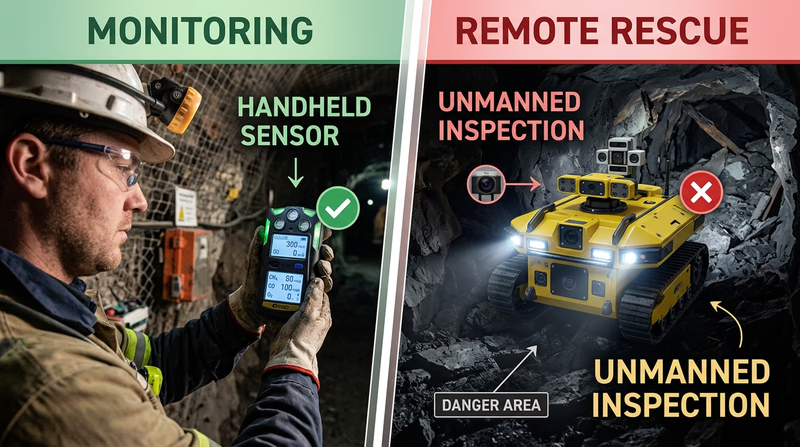
Mines use instruments because humans cannot reliably detect every danger with their senses. Gas monitors can warn of oxygen-deficient air or dangerous gases. Ground monitors and inspections help detect unstable conditions. Ventilation systems are tracked to make sure fresh air reaches workers. Communication systems let miners report problems quickly. Alarms and sensors matter because the danger may be invisible until it is too late.
What technology adds during emergencies
Robots, drones, and remote equipment can go where it is too dangerous to send rescuers first. A drone might enter a damaged area to collect video or gas readings. A robot may travel into unstable ground or smoky spaces. Remote sensors can tell rescue teams whether an area has breathable air, rising water, or blocked travel ways. The goal is simple: gather information without creating new victims.
Rescue still depends on planning
Technology helps, but it does not replace training. Rescue plans, escape routes, refuge areas, ventilation knowledge, and practiced communication are still essential. The best emergency response begins long before an accident happens.
You have looked at the hazards inside working mines. Next, you will examine a different safety message: why abandoned mines and quarries are never places to explore on your own.